The short answer
Usually normal. A slowed stomach holds food and air longer, bacteria get more time to ferment what you ate, and nausea makes you swallow more air. Burping was reported by about seven adults in a hundred on Wegovy and gas by six. Severe pain, vomiting, or a swollen belly that passes no gas and no stool is not gas.
At GLP-1 SOS the message usually comes with an apology: the burping is embarrassing, the gas is worse, is this the medication? Usually yes, and here is where each kind comes from.
Three sources
Which gas is yours
Swallowed air
Comes up as burps
Feels like: Burping soon after eating or drinking
Check: Gum, straws, fizzy drinks, gulping
Fix: Sit, chew, sip; no bubbles for a week
Most common
Fermentation
Goes down, not up
Feels like: Lower gas and a full belly hours after a meal
Check: Beans, cruciferous vegetables, milk, -ol sweeteners
Fix: Rest the gas makers; read the shake label
Food-driven
Fiber jump
Started with the constipation fix
Feels like: Gas that began the week fiber went up
Check: Psyllium, bran, beans added all at once
Fix: Halve it, then climb one serving a week
Often missed
What is actually happening
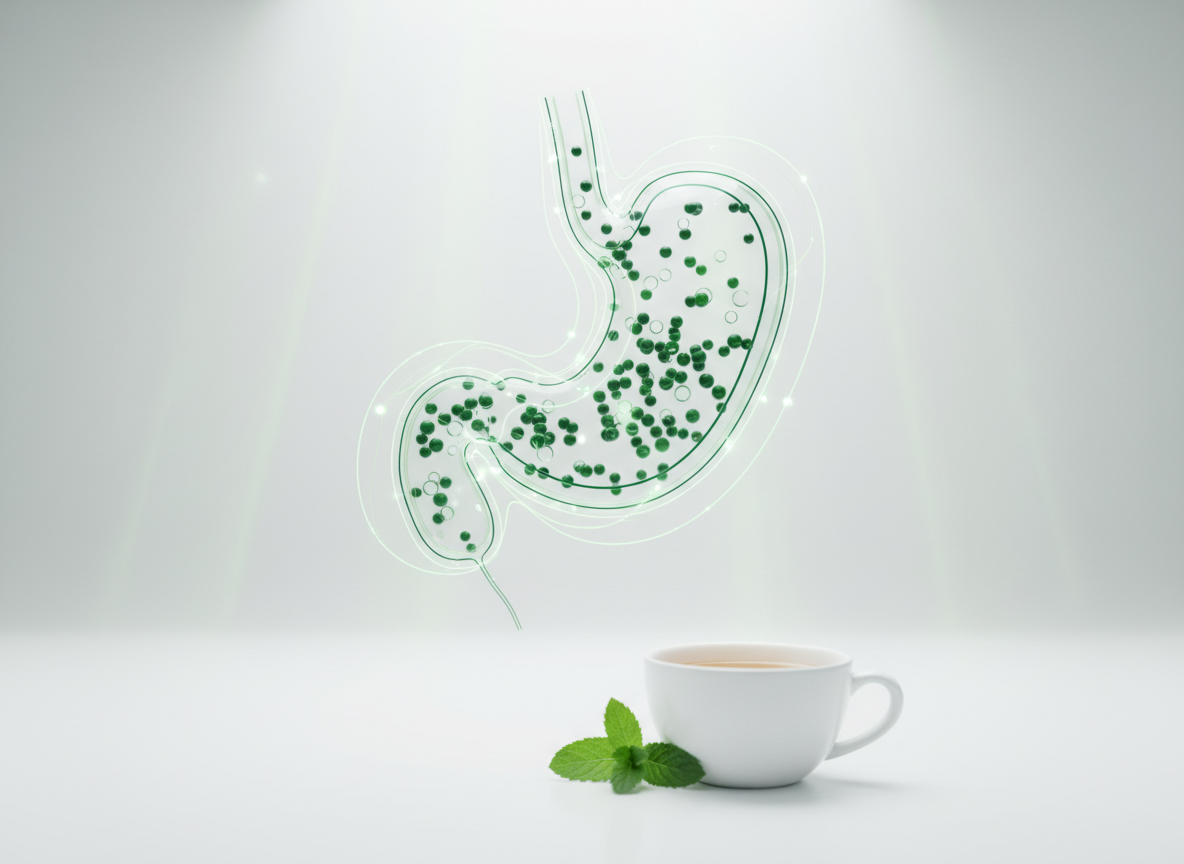
Gas gets into the gut two ways, per the NIDDK: air you swallow, and gas that bacteria make when they break down carbohydrates that were not digested higher up. Burping is mostly the first; lower gas is mostly the second. A GLP-1 makes both worse because it slows how fast your stomach empties, and the Zepbound label adds that the delay is largest after the first dose and diminishes over time.
Lab note
Gas that moves is a nuisance. Gas that stops is a call.
A stomach that empties slowly holds its air, and the air comes back up. Nausea adds to it, because a queasy person gulps water, chews gum and reaches for fizzy drinks, all listed by the NIDDK as ways to swallow more air. In the Wegovy trials, burping was reported by 7 adults in 100 against fewer than 1 on placebo; on Zepbound, 4 to 5 in 100 against 1.
Then the fermentation. Food that sits longer upstream reaches the colon less broken down, so bacteria get more to work with. The NIDDK’s gas makers read like a GLP-1 starter diet: beans and lentils, broccoli and cabbage, apples and pears, milk, and anything sweetened with a sugar alcohol ending in -ol, including many protein shakes and bars. Flatulence was reported by 6 in 100 adults on Wegovy against 4 on placebo, and abdominal distension by 7 against 5.
The fiber jump is overlooked. Constipation arrives in week one, so psyllium, bran and beans go in all at once. The NIDDK notes that some people have more gas symptoms when they consume too much fiber; the bacteria that ferment it need weeks to adjust, and a slow gut gives them every one of those weeks.
It eases as the gut adapts, usually within two weeks of each dose step. The one picture that is not gas is a belly that swells, hurts and passes nothing, no gas and no stool. That is the pattern of a blockage and a same-day call.
From the Zepbound label
How often the gassy reactions were reported
4 to 5 in 100
adults reported burping, versus 1 in 100 on placebo
3 to 4 in 100
adults reported flatulence, versus 2 in 100 on placebo
3 to 4 in 100
adults reported abdominal distension, versus 2 in 100 on placebo
Source: Zepbound (tirzepatide) Prescribing Information, revised August 2026, pooled weight-reduction trials, 5 to 15 mg.
What to do
- Cut the air tonight. No gum, hard candy, straws or fizzy drinks for a week. Sit down to eat, chew until soft, and sip rather than gulp; the NIDDK’s advice for swallowed air is exactly this.
- Read the shake label. Sweeteners ending in -ol, meaning sorbitol, xylitol, erythritol and maltitol, are in many protein shakes, bars and sugar-free products. Switch to a plain whey or clear protein without them, and drink it slowly rather than in one go.
- Bring fiber up slowly. One new serving a week, each with a full glass of water. If gas jumped the week you started a fiber supplement, halve the amount and climb back over a month.
- Rest the gas makers. For a week: beans, lentils, broccoli, cabbage, apples, pears and large amounts of milk. Bring them back one at a time, in small amounts, to find which one is yours.
- Small, low-fat, protein first. Half the usual portion, and nothing fried or creamy on the two days after the shot. Fat slows the stomach further, and the NIDDK notes that high-fat foods increase bloating.
- Walk after meals. Ten minutes on your feet helps the stomach empty and moves gas along; lying down after dinner does the opposite. A cup of ginger tea after dinner or peppermint tea in the afternoon settles the rest.
- Check the colon. If it has been three days since a full bowel movement, gas is trapped behind stool: water through the day, soluble fiber, the walk, and a steady small evening amount of magnesium citrate agreed with your prescriber. If the gas follows every shot or has not eased two weeks after a dose step, bring a short log to your prescriber.

From our support desk at GLP-1 SOS
If you wrote to us tonight about the burping and the gas, here is what we would say.
First, the line: severe pain, vomiting, or a belly that is swollen, hard and passing no gas and no stool is a same-day call to your prescriber, not to us. If it is the ordinary version, we would ask three things. Is there a sugar alcohol in your shake or bar? Did fiber go up all at once? When was your last full bowel movement? Those three explain most of the gas we hear about. Then the routine: sip instead of gulp, no gum or bubbles for a week, a walk after dinner, and ginger or peppermint after meals. A cup of ginger tea does part of that job on its own; GLP-1 SOS Daily Gut Relief puts ginger, peppermint and probiotics into two capsules with dinner. Give each dose step two weeks.
We answer real questions from real people every day. Write to us if yours is not here.
*GLP-1 SOS Daily Gut Relief supports regular bowel movements and digestive comfort. These statements have not been evaluated by the Food and Drug Administration. This product is not intended to diagnose, treat, cure or prevent any disease.
For a gassy week
What leaves more gas behind, and what sits quieter
Sits quieter
- Eggs, fish, chicken, tofu
- Rice, potatoes, oats, sourdough
- Cooked carrots, zucchini, spinach
- Bananas, berries, melon
- Plain whey or clear protein, sipped slowly
- Ginger or peppermint tea after meals
Leaves more gas behind
- Beans, peas and lentils
- Broccoli, cauliflower, cabbage, kale
- Apples, peaches, pears and their juices
- Milk, ice cream and large amounts of yogurt
- Anything sweetened with sorbitol, xylitol, erythritol, maltitol
- A fiber supplement started at full dose
The right column is not banned. Rest it for a week, then bring items back one at a time.
When to call your doctor
Call your prescriber the same day if:
- The gas comes with severe or worsening pain
- You are vomiting
- Your belly is swollen and hard and you are passing no gas and no stool at all
- You cannot keep liquids down
- You have gone more than five days without a bowel movement
- There is blood or black stool
- You have a fever
- The symptoms changed suddenly or come with weight loss faster than your prescriber expects, both of which the NIDDK lists as reasons to be seen
Gas that moves is normal. A swollen belly that passes nothing is not.

From the people behind the Lab
You do not have to figure this out alone.
GLP-1 SOS is the daily companion made for life on a GLP-1. Plain answers like this one, a support team that replies to real questions from real people, and daily formulas like GLP-1 SOS Daily Gut Relief, designed around the side effects that come with the medication. The GLP-1 Lab is our free education arm: no login, no paywall, no hype. Side effects are part of the road. Suffering through them is not.
Questions people also ask
Why do I burp so much on Ozempic or Mounjaro?
Because your stomach empties slowly and holds its air. Every swallow brings a little air in, and on a slow stomach it stays until it comes back up. Nausea makes it worse: gulping water, chewing gum and fizzy drinks all add air. The Wegovy label reports burping in about 7 adults in 100 against fewer than 1 on placebo. Sip, sit, chew slowly, and skip the gum and the bubbles for a week.
Does GLP-1 gas go away?
Usually, within a couple of weeks of each dose step, as the stomach adapts; the Zepbound label states the delay in emptying is largest after the first dose and diminishes over time. Gas that stays at a stable dose usually has a food cause: a sugar alcohol in a shake or bar, fiber added too fast, or a colon holding days of stool. Fix those three before deciding it is the medication.
Do protein shakes cause gas on a GLP-1?
Often, and for two reasons. Many are sweetened with sugar alcohols, which the NIDDK lists among the carbohydrates bacteria ferment into gas, and a shake gulped in a minute carries a lot of air into a stomach that no longer clears it. Milk-based shakes add lactose on top. Choose a plain whey, egg-white or clear protein without -ol sweeteners, mix it with water, and sip it over twenty minutes.
Is a lot of gas normal on Wegovy or Zepbound?
More than before is expected, especially in the first weeks and after each dose increase. The labels list flatulence and abdominal distension among the reported reactions, both more often than placebo, and the NIDDK’s position is that gas and some gas symptoms are normal. What is not normal is gas with severe pain, vomiting, or a swollen belly that passes nothing. That combination is a same-day call, not a diet change.
Sources (6)
- Wegovy (semaglutide) injection, Prescribing Information. Novo Nordisk / FDA, revised June 2026.
- Zepbound (tirzepatide) injection, Prescribing Information. Eli Lilly, revised August 2026.
- Symptoms & Causes of Gas in the Digestive Tract. NIH National Institute of Diabetes and Digestive and Kidney Diseases (NIDDK), reviewed June 2021.
- Eating, Diet, & Nutrition for Gas in the Digestive Tract. NIH National Institute of Diabetes and Digestive and Kidney Diseases (NIDDK), reviewed June 2021.
- Clinical Recommendations to Manage Gastrointestinal Adverse Events in Patients Treated with GLP-1 Receptor Agonists: A Multidisciplinary Expert Consensus. Journal of Clinical Medicine, 2023.
- GLP1 and GIP Receptor Agonists: Effects on the Gastrointestinal Tract and Management Strategies for Primary Care Physicians. Mayo Clinic Proceedings, 2025.
Reviewed by the GLP-1 SOS editorial team · Education, not medical advice · Talk to your prescriber about your dose and your symptoms.