The short answer
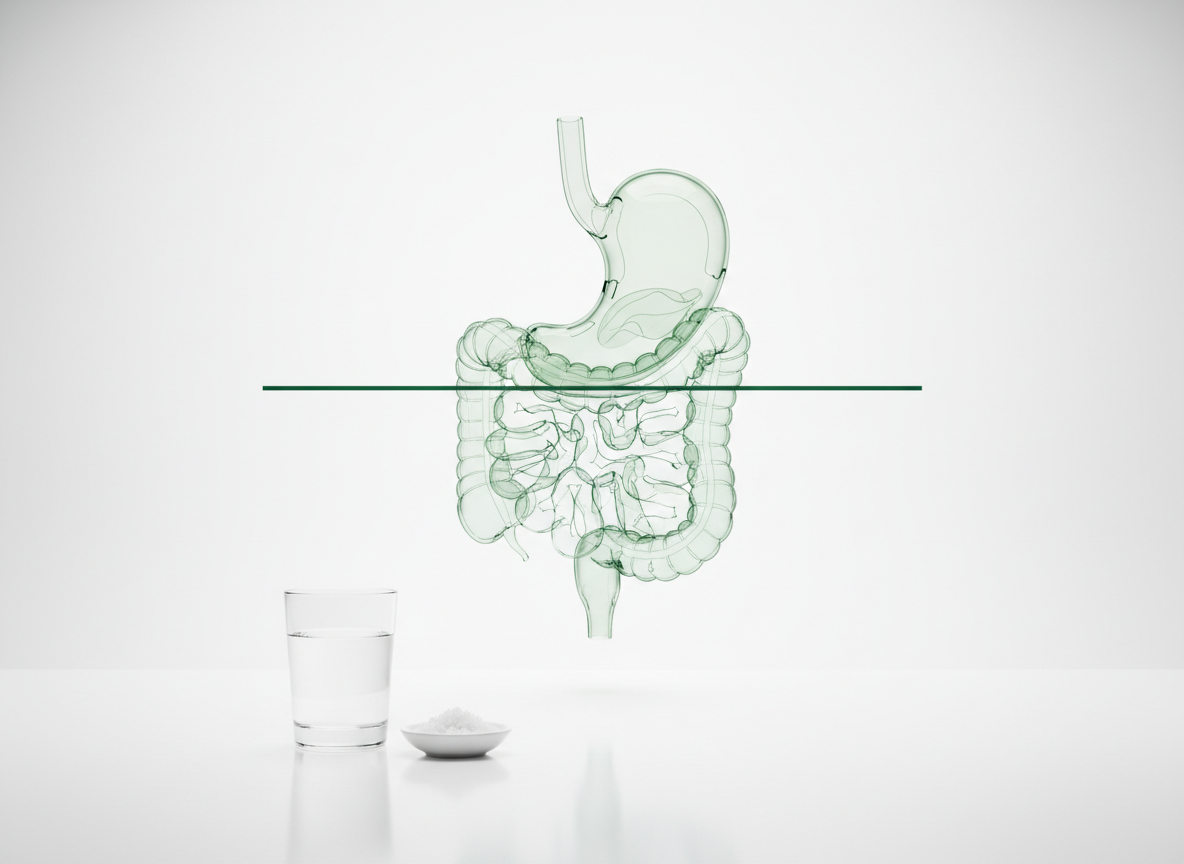
Sulfur burps with a day or two of loose stool, especially in the week after a shot or a dose increase, is common: the slowed stomach ferments protein into gas above while poorly handled food loosens stool below. Burps with repeated vomiting, pain, fever, or diarrhea lasting more than two days is a different picture and needs a same-day call.
This is the combination that scares people, and the one that most often ends in a late-night message to our support team at GLP-1 SOS. Here is where the line is.
Where the line is
Usually the slow gut, or a same-day call
Usually the slow gut
- Sulfur burps with a day or two of loose stool
- In the week after a shot or a dose increase
- One vomit after a meal that was too much
- A gassy, full, bloated feeling
Same-day call
- Vomiting more than once
- Cannot keep liquids down
- Pain, especially sharp, persistent or spreading to your back
- Fever, or others at home with the same symptoms
- Diarrhea lasting more than two days
- Blood or black stool
What is actually happening
A GLP-1 medication slows how fast your stomach empties and how fast your gut moves things along. The prescribing information for Ozempic, Wegovy, Mounjaro and Zepbound all state this, and their trials list burping, diarrhea and vomiting among the common reactions. When several show up together, it is usually one slow gut doing several things at once, not several problems.
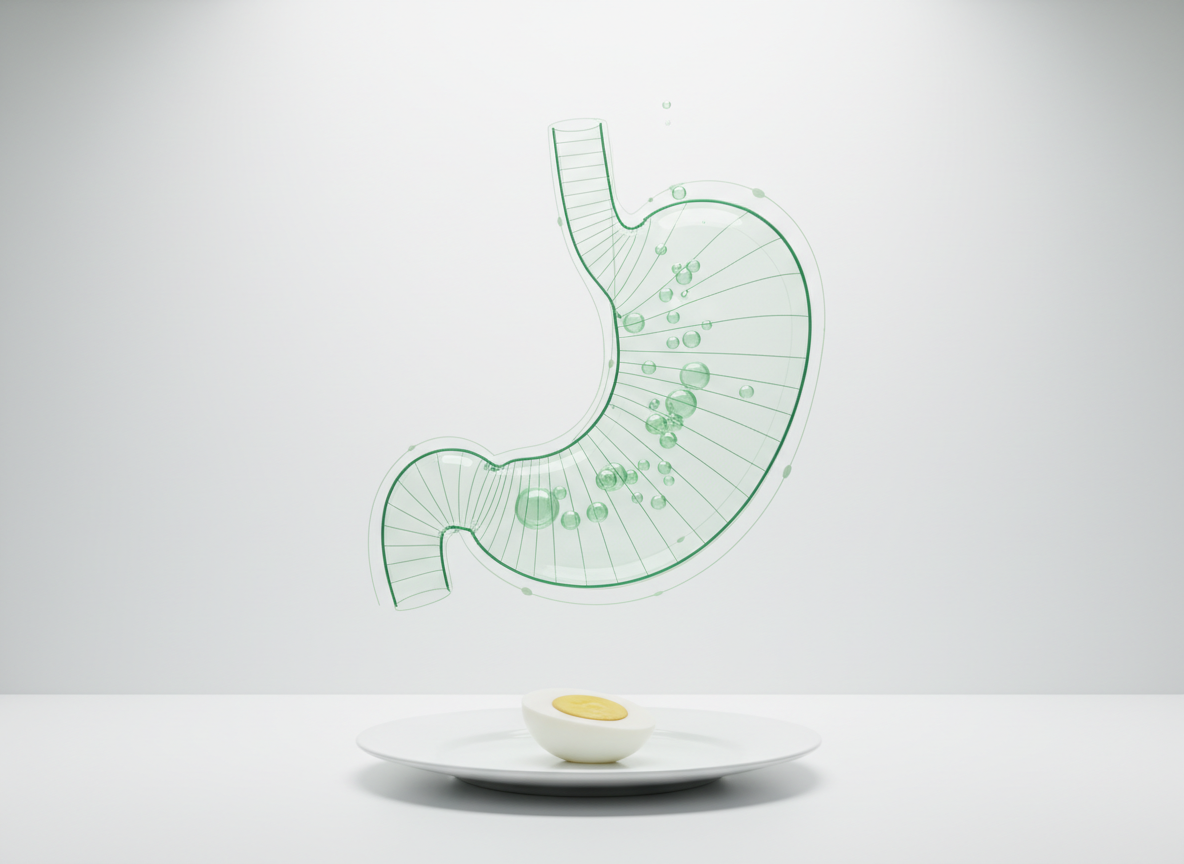
The burps come from above. Protein that sits longer in the stomach is broken down by bacteria into hydrogen sulfide, the rotten-egg gas. The loose stool comes from below. Food that moves poorly, especially fat and sugar, ferments and pulls water into the stool; and after days of constipation, liquid can slip around hard stool and arrive suddenly. Both are strongest two or three days after the shot, when the medication level peaks, and in the two weeks after each dose step.
Vomiting has a threshold. A full, slow stomach that receives a large or greasy meal, or a big glass of liquid, can send it back. A single episode after a meal that was too much is within the range the trials describe. Repeated vomiting, or vomiting with pain, is not: it can mean the stomach is not emptying at all, or something else is going on.
Lab note
If you are not sure whether it is the line, it is the line.
One honest point. A stomach infection causes the same trio, rotten-egg burps, watery diarrhea and vomiting, and being on a GLP-1 does not protect you from one. Fever, or several people in the house with the same symptoms, points that way.
Three signals, one cause
Above, below, and the threshold
1
Above: the burps
Protein sitting longer in a slow stomach is broken down into hydrogen sulfide.
2
Below: the loose stool
Fat and sugar move poorly and pull water in; liquid slips around hard stool after days of nothing.
3
The threshold: vomiting
A full, slow stomach sends back a large, greasy meal or a big glass. Once is expected. Repeated is not.
What to do
- Water and salt first, in small sips. Burps, loose stool and vomiting all push you toward dehydration, and a big glass on a slow stomach comes straight back. A broth, a pinch of salt, or a sugar-free electrolyte mix, a few sips every ten to fifteen minutes.
- Rest the stomach for a few hours after vomiting, then restart with small, low-fat, low-sulfur food: rice, oats, a banana, plain chicken or fish in a small portion. Add eggs, red meat and dairy back gradually.
- Shrink every meal and separate liquids from food. Something small every three to four hours, stopping at satisfied; drink between meals rather than with them.
- Take fat, sugar and bubbles off the table for a few days: fried food, cream sauces, sugary or sugar-free drinks with sorbitol or xylitol, carbonated drinks.
- Soluble fiber, gently. A small serving of oats or psyllium with a full glass of water forms a gel that steadies loose stool without adding bulk to a slow gut.
- Stay upright for an hour after eating and walk ten minutes after dinner.
- Track the timing. If the trio always lands on the same days after your shot, plan those days smaller. If it started with a dose increase and has not eased in two weeks, staying longer on the lower dose is a normal thing to ask your prescriber for.

From our support desk at GLP-1 SOS
If you wrote to us tonight with all three, here is what we would say.
First, the line: if you have vomited more than once, cannot keep liquids down, or there is pain or fever, call your prescriber today, not us. If it is the milder version, a burpy, loose, queasy week after a shot: salted fluids in small sips, a few hours of rest for the stomach, then small, plain, low-sulfur meals. Ginger and peppermint after meals settle a queasy, gassy stomach, which is why they are in GLP-1 SOS Daily Gut Relief with a 19-strain probiotic blend for the fermentation behind the burps. Ginger tea does part of the same job. Give it the two weeks after a dose step, and if the trio lands on the same days every shot, plan those days smaller and bring the log to your prescriber.
We answer real questions from real people every day. Write to us if yours is not here.
*GLP-1 SOS Daily Gut Relief supports regular bowel movements and digestive comfort. These statements have not been evaluated by the Food and Drug Administration. This product is not intended to diagnose, treat, cure or prevent any disease.
When to call your doctor
Call your prescriber the same day if:
- You are vomiting repeatedly
- You cannot keep liquids down
- There is pain
- You feel faint when you stand
- Your belly stays swollen and hard
- You go more than five days without a bowel movement
- Diarrhea lasts more than two days
- There is blood or black stool
- You have a fever
The prescribing information for these medications notes that severe vomiting and diarrhea can lead to dehydration and strain the kidneys, which is why your prescriber needs to know. If you are not sure whether it is the line, it is the line.

From the people behind the Lab
You do not have to figure this out alone.
GLP-1 SOS is the daily companion made for life on a GLP-1. Plain answers like this one, a support team that replies to real questions from real people, and daily formulas designed around the side effects that come with the medication. The GLP-1 Lab is our free education arm: no login, no paywall, no hype. Side effects are part of the road. Suffering through them is not.
Questions people also ask
Sulfur burps and diarrhea on a GLP-1: is it the medication?
Usually, yes, and usually in the first weeks or after a dose step. The same slowdown makes protein ferment above and loosens stool below. If it came on suddenly with fever, or lasts more than two days, treat it as a possible stomach infection and call your prescriber.
Sulfur burps and vomiting on a GLP-1: what should I do?
Stop eating for a few hours, sip salted fluid, then restart small and low-fat. One episode after a heavy meal is within the expected range. Vomiting more than once, or with pain, or when nothing stays down, is a same-day call; do not wait for the next dose to see if it improves.
Sulfur burps and stomach pain on a GLP-1: is that normal?
Pain is the sign that changes the picture. Bloating and a gassy, full feeling are common. Pain that is sharp, persistent, in the upper belly, or spreading to your back is not something to manage at home; call your prescriber the same day.
Should I skip my next dose if I have sulfur burps and diarrhea?
Do not change your dosing on your own. If the symptoms are mild and fading, keep the schedule and make the meals smaller. If they are not fading, or you have vomited, call your prescriber before the next shot; delaying or holding a dose is their decision and a common one.
Sources (6)
- Wegovy (semaglutide) injection, Prescribing Information. Novo Nordisk / FDA, revised February 2026.
- Ozempic (semaglutide) injection, Prescribing Information. Novo Nordisk, revised May 2026.
- Zepbound (tirzepatide) injection, Prescribing Information. Eli Lilly, revised August 2026.
- Clinical Recommendations to Manage Gastrointestinal Adverse Events in Patients Treated with GLP-1 Receptor Agonists: A Multidisciplinary Expert Consensus. Journal of Clinical Medicine, 2023.
- Production of hydrogen sulfide by the intestinal microbiota and epithelial cells and consequences for the colonic and rectal mucosa. American Journal of Physiology: Gastrointestinal and Liver Physiology, 2021.
- Treatment for Diarrhea. NIH National Institute of Diabetes and Digestive and Kidney Diseases (NIDDK), reviewed 2024.
Reviewed by the GLP-1 SOS editorial team · Education, not medical advice · Talk to your prescriber about your dose and your symptoms.