Tag: First month

  • Can I take magnesium with a GLP-1? (which form, how much, when)

    Can I take magnesium with a GLP-1? (which form, how much, when)

    The short answer

    Yes, for most adults. The prescribing information for Ozempic, Wegovy, Mounjaro and Zepbound lists no interaction with magnesium. The form decides the effect: citrate keeps water in the stool, glycinate is for sleep and muscles, oxide mostly stays in the gut. Keep supplemental magnesium at or below 350 mg a day unless your prescriber says otherwise, in the evening.

    At GLP-1 SOS this is the supplement question we hear most, so here is the whole answer in one place: whether it is safe, which form, how much, and when.

    Same mineral, three partners

    Which magnesium does what on a GLP-1

    Citrate

    For a slow colon

    Absorbed: well

    Left in the gut: some

    Softens stool: yes

    Best for: constipation on a GLP-1

    Usual choice

    Glycinate

    For sleep and cramps

    Absorbed: well

    Left in the gut: very little

    Softens stool: barely

    Best for: sleep, muscle tension, daily intake

    Oxide

    Mostly gut-acting

    Absorbed: poorly

    Left in the gut: most of it

    Softens stool: yes, less predictable

    Best for: pairing with citrate

    Source: NIH Office of Dietary Supplements, Magnesium Fact Sheet for Health Professionals.

    What is actually happening

    A GLP-1 medication works through receptors on nerves in your stomach, your gut and the appetite center of your brain. It slows how fast your stomach empties and how fast your colon moves things along. Magnesium works somewhere else entirely: it is a mineral your muscles, nerves and hundreds of enzymes use every day, and whatever is not absorbed stays in the gut and holds water in the stool. The two do not compete.

    The only general note in the labels is that a slower stomach can change how quickly any oral product is absorbed. For magnesium that changes timing, not safety.

    Lab note

    A GLP-1 works on nerves. Magnesium works in muscles, nerves and the gut. They do not compete.

    Two things make magnesium relevant on a GLP-1. First, the slowed colon. While stool sits, the colon pulls water out of it, and constipation is one of the most common reactions in the trials of every GLP-1 medication. Magnesium citrate keeps water in the stool. Second, intake. Magnesium arrives in food: leafy greens, beans, nuts, whole grains, yogurt. When you are eating half as much, that quiet supply drops with everything else, at the same time water and sodium and potassium are dropping too. In the body, water follows salt, and magnesium is one of the minerals that decides where water goes.

    The form is bound to a partner molecule that sets how much is absorbed. Citrate, chloride and lactate are absorbed better than oxide. What is absorbed goes to the body; what is not stays in the gut and softens the stool.

    What to do

    1. Pick the form for the job. Constipation, the most common reason on a GLP-1: magnesium citrate. Sleep or muscle tension: glycinate. Oxide is a gut-acting form and less predictable on its own.
    2. Take it in the evening with a full glass of water. Most people find the stool effect lands overnight or the next morning, and the muscle-relaxing effect is welcome at bedtime.
    3. Start at the lowest amount on the label and hold for two or three days before adjusting. Loose stool or cramping means you are above what your gut wants.
    4. Stay at or below 350 mg a day from supplements, the NIH upper limit for adults. Food magnesium does not count toward that limit; supplements, including a multivitamin, do. The daily allowance for adults is 310 to 420 mg from all sources combined.
    5. Water first, through the day. Magnesium that works on the stool needs water to hold. Sip small amounts between meals rather than with them.
    6. Separate it from some medications. Magnesium can bind certain antibiotics and osteoporosis medications in the gut; take those at least two hours apart, and ask your pharmacist to check your list.
    7. Ask first if you have kidney disease, or if you take diuretics or heart medications. The kidneys clear magnesium; when they cannot, it builds up.
    GLP-1 SOS support team

    From our support desk at GLP-1 SOS

    If you wrote to us tonight asking whether you can take magnesium, here is what we would say.

    Yes, for most adults, and citrate is the form for a slow colon. Evening, a full glass of water, the lowest amount on the label, three days before you judge it, and keep the total from supplements under 350 mg unless your prescriber says otherwise. We built GLP-1 SOS Daily Gut Relief around exactly that: 250 mg of magnesium citrate and oxide with dinner, under the ceiling, with ginger and peppermint for the bloating and a 19-strain probiotic blend for the rest of a slow gut. Plain magnesium citrate at the same steady amount does the stool part just as well. If you have kidney disease or take diuretics or heart medications, ask before you start either.

    We answer real questions from real people every day. Write to us if yours is not here.

    *GLP-1 SOS Daily Gut Relief supports regular bowel movements and digestive comfort. These statements have not been evaluated by the Food and Drug Administration. This product is not intended to diagnose, treat, cure or prevent any disease.

    Count the total

    The numbers that matter

    350 mg

    a day from supplements: the NIH ceiling for adults, unless your prescriber says otherwise

    310 to 420 mg

    a day from all sources: the adult daily allowance. Food still counts, even when you eat less

    Evening

    the time most people take it: the stool effect lands overnight, the muscle-relaxing effect at bedtime

    Source: NIH Office of Dietary Supplements. Magnesium from food does not count toward the 350 mg supplement ceiling.

    When to call your doctor

    Call your prescriber the same day if:

    • You go more than five days without a bowel movement
    • There is pain
    • You are vomiting
    • You cannot keep liquids down
    • You feel faint when you stand
    • Your belly stays swollen and hard
    • Magnesium gives you diarrhea that does not settle within a day of stopping it
    • You notice muscle weakness, a slow heartbeat or unusual drowsiness, which can signal too much magnesium in someone whose kidneys clear it slowly

    Slow is normal. Stuck with pain is not.

    GLP-1 SOS

    From the people behind the Lab

    You do not have to figure this out alone.

    GLP-1 SOS is the daily companion made for life on a GLP-1. Plain answers like this one, a support team that replies to real questions from real people, and daily formulas designed around the side effects that come with the medication. The GLP-1 Lab is our free education arm: no login, no paywall, no hype. Side effects are part of the road. Suffering through them is not.

    Questions people also ask

    Can you take magnesium with Ozempic, Wegovy, Mounjaro or Zepbound?

    Yes. None of the four prescribing information documents lists magnesium as an interaction. The medication acts on nerve receptors; magnesium acts in muscles, nerves and the gut. The one practical note is timing: a slower stomach can delay absorption of any oral product, which is another reason the evening works well.

    What is the best magnesium for a GLP-1?

    It depends on what you want it to do. For the slow colon, citrate: it is absorbed well and still keeps water in the stool. For sleep and cramps, glycinate. If constipation is your main complaint, citrate alone covers both jobs, because it supplies the mineral as well as softening the stool.

    Is magnesium glycinate good on a GLP-1?

    For sleep and muscle tension, yes; it is gentle and absorbed well. For constipation, no; almost none of it stays in the gut, so it does little for the stool. Many people take glycinate expecting regularity and conclude magnesium does not work. It is the form, not the mineral.

    How much magnesium should I take on a GLP-1?

    Start at the lowest amount on the label and adjust every few days. Stay at or below 350 mg a day from supplements unless your prescriber directs more. The adult daily allowance is 310 to 420 mg from all sources, and food still counts even when you are eating less.

    Sources (6)
    • Ozempic (semaglutide) injection, Prescribing Information. Novo Nordisk, revised May 2026.
    • Wegovy (semaglutide) injection, Prescribing Information. Novo Nordisk / FDA, revised February 2026.
    • Mounjaro (tirzepatide) injection, Prescribing Information. Eli Lilly, revised August 2026.
    • Zepbound (tirzepatide) injection, Prescribing Information. Eli Lilly, revised August 2026.
    • Magnesium: Fact Sheet for Health Professionals. NIH Office of Dietary Supplements.
    • Magnesium. StatPearls, NCBI Bookshelf, updated February 2023.

    Reviewed by the GLP-1 SOS editorial team · Education, not medical advice · Talk to your prescriber about your dose and your symptoms.
  • Can I take MiraLAX with a GLP-1?

    Can I take MiraLAX with a GLP-1?

    The short answer

    Yes, for most adults. MiraLAX is polyethylene glycol 3350, an osmotic laxative that is not absorbed: it travels the whole gut holding water in the stool, does not stimulate the bowel muscle, and has no listed interaction with semaglutide or tirzepatide. The label limits use to seven days unless a doctor says otherwise, so daily use is your prescriber’s decision.

    MiraLAX is the first thing many prescribers suggest and the first thing people ask us about at GLP-1 SOS. Here is what the label actually says, and how to use it well on a slow gut.

    Two families

    Osmotic or stimulant

    Osmotic: holds water in the stool

    • MiraLAX (polyethylene glycol 3350)
    • Magnesium citrate
    • Magnesium oxide
    • Not absorbed, no listed interaction with a GLP-1

    Stimulant: makes the colon contract

    • Senna
    • Bisacodyl
    • For occasional use, not a daily routine
    • Different tool, different conversation

    Same family as magnesium citrate. Pick one osmotic, not both.

    What is actually happening

    A GLP-1 medication slows how fast your stomach empties and how fast your colon moves things along. That is part of how it works, not a malfunction. The prescribing information for Ozempic, Wegovy, Mounjaro and Zepbound states that each delays gastric emptying, and constipation is among the most common reactions in their trials: about one adult in four on Wegovy, and up to one in six on Zepbound.

    While stool sits in the colon, the colon pulls water out of it. The longer it sits, the drier and harder it gets, and the harder it is to move. Everything useful either adds water to that stool or gets the colon moving.

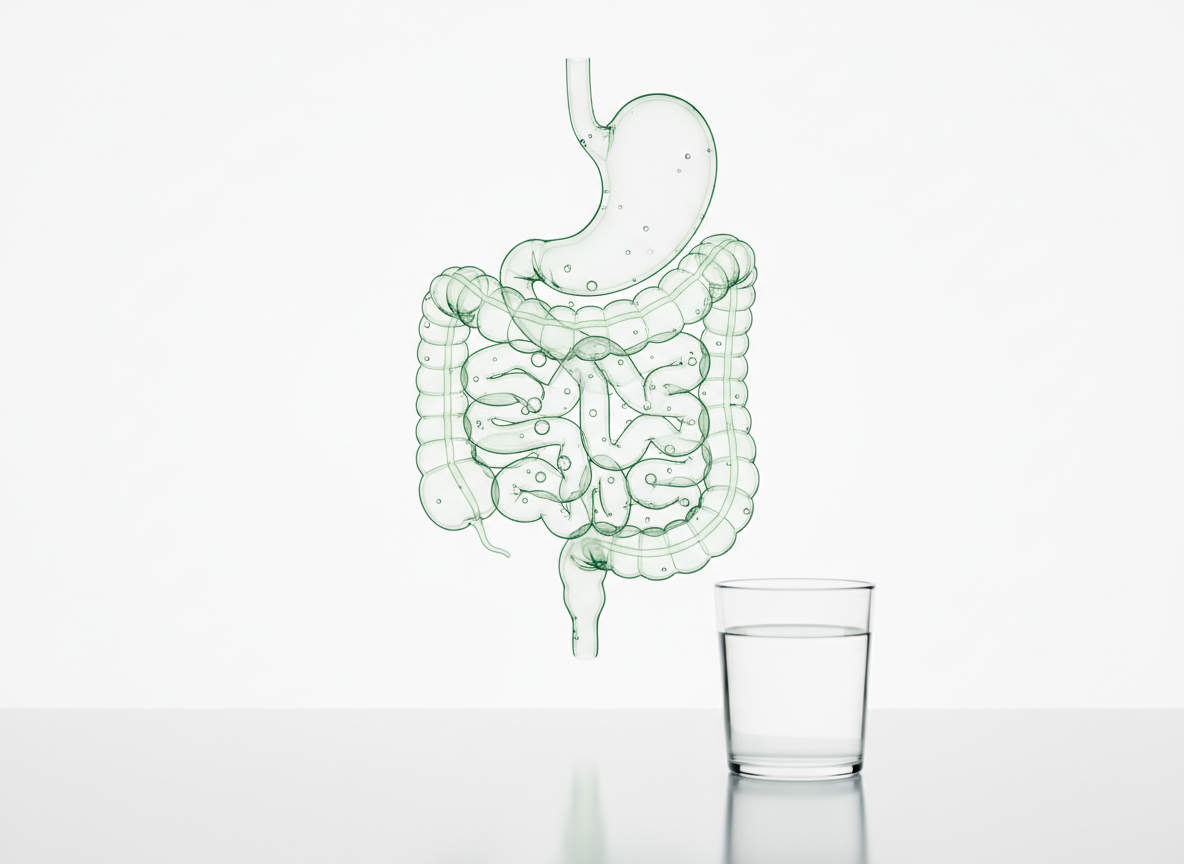
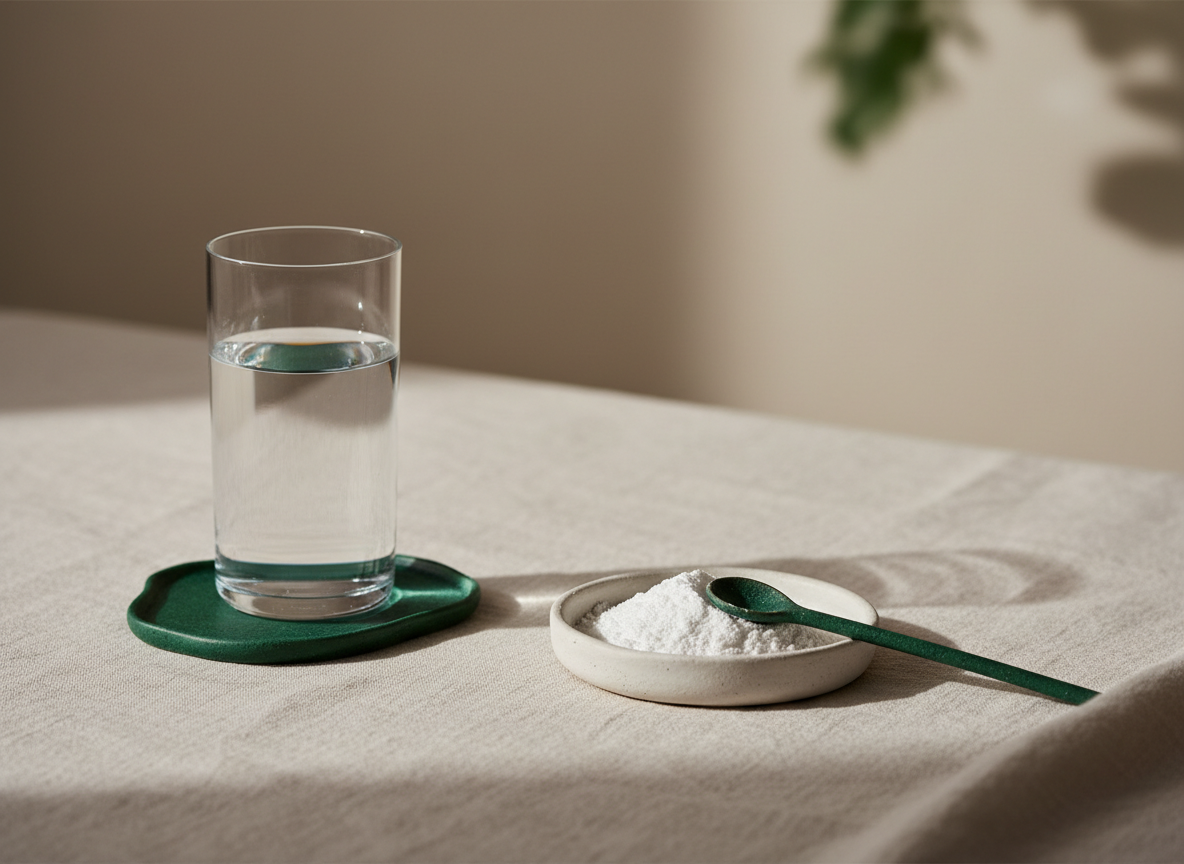
    MiraLAX is polyethylene glycol, PEG, a long chain of molecules that bond to water. It is not absorbed into the bloodstream. It passes through the whole gut and does one thing: it holds on to water, so the water stays in the stool instead of being drained by the colon. It does not push. It does not squeeze the muscle. That is the osmotic family, the same family as magnesium citrate. The other family, stimulants such as senna and bisacodyl, makes the colon contract. Different tool, different conversation.

    Lab note

    It does not push. It does not squeeze. It holds water.

    Because PEG is not absorbed and the GLP-1 medication works through receptors on nerves, there is no known chemical interaction between them. The practical questions are the ones the label raises: how much, and for how long.

    What the label says

    Read the box first

    1 to 3 days

    to produce a bowel movement. It is not a same-hour product

    7 days

    the limit for use without a doctor. After that it is your prescriber’s call

    4 to 8 oz

    of any liquid per dose, at the same time each day

    Source: MiraLAX (polyethylene glycol 3350) Drug Facts label, DailyMed.

    What to do

    1. Read the box first. The MiraLAX Drug Facts label says it generally produces a bowel movement in one to three days, and not to use it for more than seven days unless a doctor tells you. If you still need it after a week, that is a conversation with your prescriber, not a reason to stop or to double the dose.
    2. Water first. An osmotic laxative can only hold water that is there. Sip small amounts through the day, between meals rather than with them. If you are eating less, you are also drinking less inside your food, and that quiet supply is gone.
    3. Mix the dose fully in four to eight ounces of any liquid and drink it at the same time each day, most people in the evening, so the effect lands on a predictable schedule.
    4. Give it two or three days. PEG is not a same-hour product. Judging it after one dose leads to stacking, and stacking leads to the opposite problem.
    5. Add a ten-minute walk after dinner. Movement wakes the colon better than any supplement or laxative.
    6. Pick one osmotic option. If you already take magnesium citrate in the evening, do not add MiraLAX on your own; bring both to your prescriber and choose.
    7. Bring three questions to your appointment: which family, how much, for how long. Daily use of any laxative is a decision for the person who prescribes your medication.

    Honest options

    If you want to buy one thing

    From any pharmacy

    • MiraLAX, the label dose in four to eight ounces of liquid, at the same time each evening, for no more than seven days without your prescriber
    • Or magnesium citrate in the evening, lowest amount on the label. One osmotic, not both
    • A ten-minute walk after dinner. Free, and it works

    Either osmotic covers the mechanism. It is what we tell people who ask us for the cheapest route.

    What we make

    • GLP-1 SOS Daily Gut Relief: 250 mg magnesium citrate and oxide, ginger, peppermint and a 19-strain probiotic blend, two capsules with dinner
    • Same osmotic family as MiraLAX, in the mineral form, built as a daily routine for the whole GLP-1 gut rather than a rescue laxative
    • One routine instead of three bottles, which is what most people who write to us actually want

    60-day money-back guarantee. Made by GLP-1 SOS, the people behind this Lab.*

    *GLP-1 SOS Daily Gut Relief supports regular bowel movements and digestive comfort. These statements have not been evaluated by the Food and Drug Administration. This product is not intended to diagnose, treat, cure or prevent any disease.

    When to call your doctor

    Call your prescriber the same day if:

    • You go more than five days without a bowel movement
    • There is pain
    • You are vomiting
    • You cannot keep liquids down
    • You feel faint when you stand
    • Your belly stays swollen and hard

    The MiraLAX label adds its own line: stop and ask a doctor if you have rectal bleeding, or if nausea, bloating, cramping or belly pain gets worse. Slow is normal. Stuck with pain is not.

    GLP-1 SOS

    From the people behind the Lab

    You do not have to figure this out alone.

    GLP-1 SOS is the daily companion made for life on a GLP-1. Plain answers like this one, a support team that replies to real questions from real people, and daily formulas like GLP-1 SOS Daily Gut Relief, designed around the side effects that come with the medication. The GLP-1 Lab is our free education arm: no login, no paywall, no hype. Side effects are part of the road. Suffering through them is not.

    Questions people also ask

    Can I take MiraLAX daily on a GLP-1?

    Some prescribers do recommend daily PEG while the gut adapts, especially around dose increases. The over-the-counter label, though, limits self-directed use to seven days. So the honest answer is: daily use is fine when your prescriber has agreed to it and knows how long you have been using it.

    Does MiraLAX interfere with Ozempic, Wegovy, Mounjaro or Zepbound?

    No interaction is listed in any of the prescribing information. PEG is not absorbed, so it never reaches the bloodstream where the medication acts. The only general note in the labels is that a slower stomach can change how quickly any oral product is absorbed; for something that is meant to stay in the gut, that is not a concern.

    What do people on a GLP-1 say about MiraLAX?

    The most common report is that it works but takes a couple of days, and that it works far better with more water than without. The most common mistake is expecting a same-day result, taking a second dose, and then swinging into loose stool. Give each dose the time the label gives it.

    MiraLAX or magnesium citrate on a GLP-1?

    Both are osmotic and both keep water in the stool. PEG is not absorbed at all; magnesium citrate also supplies a mineral your muscles and nerves use. Many people do well on either. If you have kidney disease, PEG is often preferred because magnesium is cleared by the kidneys; ask your prescriber which fits you.

    Sources (6)
    • MiraLAX (polyethylene glycol 3350) powder for solution, Drug Facts label. DailyMed, U.S. National Library of Medicine.
    • Polyethylene Glycol. StatPearls, NCBI Bookshelf, updated May 2023.
    • Laxatives. StatPearls, NCBI Bookshelf, updated January 2024.
    • Wegovy (semaglutide) injection, Prescribing Information. Novo Nordisk / FDA, revised February 2026.
    • Zepbound (tirzepatide) injection, Prescribing Information. Eli Lilly, revised August 2026.
    • Clinical Recommendations to Manage Gastrointestinal Adverse Events in Patients Treated with GLP-1 Receptor Agonists: A Multidisciplinary Expert Consensus. Journal of Clinical Medicine, 2023.

    Reviewed by the GLP-1 SOS editorial team · Education, not medical advice · Talk to your prescriber about your dose and your symptoms.

  • Can I take magnesium citrate for constipation on a GLP-1?

    Can I take magnesium citrate for constipation on a GLP-1?

    The short answer

    For most adults, yes. Magnesium citrate is an osmotic mineral: it holds water inside the stool so the stool stays soft and keeps moving through a colon that the medication has slowed. It does not stimulate the bowel muscle. Take it in the evening with a full glass of water, and ask your prescriber first if you have kidney disease.

    Magnesium citrate is the first thing people ask us about at GLP-1 SOS once the first stuck week lands. Here is what it does, how to use it, and where the limits are.

    How it works

    Water, held where it counts

    1

    The colon drains the stool

    While stool sits in a colon slowed by the medication, the colon pulls water out of it, day after day.

    2

    Citrate holds the water

    The unabsorbed magnesium stays in the gut and, by osmosis, keeps water inside the stool instead of letting the colon take it.

    3

    Soft stool keeps moving

    Nothing is pushed or squeezed. The stool stays soft and bulky enough to move on its own schedule.

    What is actually happening

    A GLP-1 medication does two things to your digestive system on purpose. It slows how fast your stomach empties, and it slows how fast your colon moves things along. The prescribing information for Ozempic, Wegovy, Mounjaro and Zepbound all state that the medication delays gastric emptying, and constipation is one of the most common reactions reported in their trials. In the Wegovy trials, about one adult in four reported it.

    The colon has one job while stool sits inside it: pull water out. The longer the stool sits, the more water the colon takes.

    Lab note

    Less water. Harder stool. Slower exit. That is the whole loop.

    Magnesium citrate works on the water part of that loop. Only a portion of the magnesium you swallow is absorbed; the rest stays in the gut and, by osmosis, keeps water in the stool instead of letting the colon drain it. The stool stays soft and bulky enough to move. Nothing is being pushed or squeezed, which is why this family of options is usually gentler than stimulant laxatives such as senna or bisacodyl, which make the colon contract.

    Citrate matters. The citrate, chloride and lactate forms of magnesium are absorbed better than magnesium oxide, so citrate gives you the mineral your muscles and nerves use every day and still leaves enough in the gut to work on the stool.

    Two families

    Osmotic or stimulant

    Osmotic: holds water in the stool

    • Magnesium citrate
    • Magnesium oxide
    • MiraLAX (polyethylene glycol)
    • Gentle, and the usual daily choice with your prescriber

    Stimulant: makes the colon contract

    • Senna
    • Bisacodyl
    • For occasional use, not a daily routine
    • Cramping is common

    Pick one osmotic, not two. If you already use MiraLAX, bring both to your prescriber and choose.

    What to do

    1. Water first, so there is something for the colon to keep. Sip small amounts through the day, between meals rather than with them. Magnesium citrate without water has nothing to hold.
    2. Take magnesium citrate in the evening with a full glass of water. Start with the lowest amount on the label and give it two or three days before deciding.
    3. Add a ten-minute walk after dinner. Movement wakes the colon better than any supplement.
    4. Keep supplemental magnesium at or below 350 mg a day, the upper limit the NIH sets for adults, unless your prescriber tells you otherwise. Above that, loose stool and cramping are common.
    5. Do not stack. If you already take MiraLAX or another osmotic laxative, do not add magnesium citrate on your own; bring both to your prescriber and pick one.
    6. Separate it from other medications. Magnesium can bind some antibiotics and osteoporosis medications in the gut; take those at least two hours apart and ask your pharmacist about your list.
    7. Do not add fiber without water. Bulk without water is a bigger, drier problem, and it is the most common first-month mistake.
    GLP-1 SOS support team

    From our support desk at GLP-1 SOS

    If you wrote to us tonight asking which magnesium to buy, here is what we would say.

    Citrate. In the evening, with a full glass of water, at the lowest amount on the label, and give it three days before you judge it. Any pharmacy brand works: look for magnesium citrate in capsules or powder, not the 10-ounce liquid, which is a bowel-cleansing dose. It is also the form we chose for GLP-1 SOS Daily Gut Relief, 250 mg of citrate and oxide with dinner, with ginger and peppermint for the bloating, because most people who write to us want one evening routine rather than three bottles. Either way, count the total against the 350 mg ceiling, and ask your prescriber first if your kidneys are not clearing well.

    We answer real questions from real people every day. Write to us if yours is not here.

    *GLP-1 SOS Daily Gut Relief supports regular bowel movements and digestive comfort. These statements have not been evaluated by the Food and Drug Administration. This product is not intended to diagnose, treat, cure or prevent any disease.

    Count the total

    The numbers that matter

    350 mg

    a day from supplements: the NIH ceiling for adults, unless your prescriber says otherwise

    1 in 4

    adults on Wegovy reported constipation in the trials

    Evening

    the time most people take it: the stool effect lands overnight

    Sources: NIH Office of Dietary Supplements, Magnesium Fact Sheet; Wegovy prescribing information.

    When to call your doctor

    Call your prescriber the same day if:

    • You go more than five days without a bowel movement
    • There is pain
    • You are vomiting
    • You cannot keep liquids down
    • You feel faint when you stand
    • Your belly stays swollen and hard

    If you have kidney disease, or take diuretics or heart medications, check with your prescriber before you start any magnesium product. Slow is normal. Stuck with pain is not.

    GLP-1 SOS

    From the people behind the Lab

    You do not have to figure this out alone.

    GLP-1 SOS is the daily companion made for life on a GLP-1. Plain answers like this one, a support team that replies to real questions from real people, and daily formulas like GLP-1 SOS Daily Gut Relief, designed around the side effects that come with the medication. The GLP-1 Lab is our free education arm: no login, no paywall, no hype. Side effects are part of the road. Suffering through them is not.

    Questions people also ask

    Is magnesium good for GLP-1 constipation?

    Magnesium citrate is one of the two things that address the mechanism directly, along with water. The medication slows the colon and the colon dries the stool; magnesium citrate keeps water in the stool. It suits most people well in the first weeks and around each dose increase, when the slowdown is strongest.

    How much magnesium citrate should I take for constipation on a GLP-1?

    There is no single number, which is why the label range matters. Start at the lowest amount, take it in the evening with a full glass of water, and adjust every few days. The NIH upper limit for supplemental magnesium in adults is 350 mg a day unless a doctor directs more.

    Is the magnesium citrate bottle from the pharmacy the same thing?

    No. The 10-ounce liquid sold as a saline laxative is a bowel-cleansing dose, used occasionally or before a procedure, and it can dehydrate you. Daily support uses far smaller amounts in capsule or powder form. They share a name, not a purpose.

    Magnesium citrate or MiraLAX on a GLP-1?

    Both are osmotic: each keeps water in the stool rather than stimulating the muscle. MiraLAX is polyethylene glycol, is not absorbed at all, and its label caps use at seven days without a doctor. Magnesium citrate also supplies a mineral your body uses. Many prescribers start with one and reserve the other; ask yours which fits you.

    Sources (6)
    • Ozempic (semaglutide) injection, Prescribing Information. Novo Nordisk, revised May 2026.
    • Wegovy (semaglutide) injection, Prescribing Information. Novo Nordisk / FDA, revised February 2026.
    • Zepbound (tirzepatide) injection, Prescribing Information. Eli Lilly, revised August 2026.
    • Magnesium: Fact Sheet for Health Professionals. NIH Office of Dietary Supplements.
    • Laxatives. StatPearls, NCBI Bookshelf, updated January 2024.
    • Clinical Recommendations to Manage Gastrointestinal Adverse Events in Patients Treated with GLP-1 Receptor Agonists: A Multidisciplinary Expert Consensus. Journal of Clinical Medicine, 2023.

    Reviewed by the GLP-1 SOS editorial team · Education, not medical advice · Talk to your prescriber about your dose and your symptoms.

  • Magnesium glycinate vs citrate vs oxide on a GLP-1

    Magnesium glycinate vs citrate vs oxide on a GLP-1

    The short answer

    They are the same mineral bound to different partners, and the partner decides what happens in a slow gut. Citrate is absorbed well and holds water in the stool. Oxide is absorbed poorly, so most stays in the gut. Glycinate is gentle, absorbed well, and does little for bowel movements. For GLP-1 constipation, citrate is the usual choice.

    This is one of the questions people ask us most at GLP-1 SOS, and the confusion is fair: three bottles, one word on the label, three different jobs. The picture below is the whole answer in one glance.

    Same mineral, three partners

    Which magnesium does what on a GLP-1

    Citrate

    For a slow colon

    Absorbed: well

    Left in the gut: some

    Softens stool: yes

    Best for: constipation on a GLP-1

    Usual choice

    Glycinate

    For sleep and cramps

    Absorbed: well

    Left in the gut: very little

    Softens stool: barely

    Best for: sleep, muscle tension, daily intake

    Oxide

    Mostly gut-acting

    Absorbed: poorly

    Left in the gut: most of it

    Softens stool: yes, less predictable

    Best for: pairing with citrate

    Source: NIH Office of Dietary Supplements, Magnesium Fact Sheet for Health Professionals.

    What is actually happening

    Magnesium never travels alone. In a supplement it is bound to a partner molecule, a salt or an amino acid, and that partner sets two things: how much of the magnesium your small intestine absorbs, and how much stays behind in the gut. What stays behind pulls water toward itself by osmosis. That is the whole difference between the three forms.

    The NIH Office of Dietary Supplements notes that the citrate, chloride, lactate and aspartate forms are absorbed better than magnesium oxide and magnesium sulfate. Absorbed magnesium goes to work in muscles, nerves and hundreds of enzyme reactions. Unabsorbed magnesium stays in the colon and keeps water in the stool.

    Lab note

    What your gut absorbs feeds your muscles. What it does not absorb softens the stool. The partner decides the split.

    Why citrate helps and glycinate does not

    Glycinate: almost all of the magnesium is absorbed and water keeps being pulled out of the stool
    Citrate: some magnesium stays in the gut and holds water in the stool, so it stays soft

    Simplified diagram. Absorbed magnesium goes to muscles and nerves; what is not absorbed holds water in the stool by osmosis.

    On a GLP-1 medication, the colon is moving slowly on purpose. The prescribing information for Ozempic, Wegovy, Mounjaro and Zepbound all state that the medication delays gastric emptying, and constipation is among the most common reactions in their trials. While stool sits, the colon pulls water out of it, so anything that keeps water in the stool helps directly.

    Citrate sits in the middle: enough is absorbed to supply the mineral, enough remains to soften the stool. Oxide carries a lot of magnesium per capsule but little is absorbed, so its main effect is in the gut; that is also why it is more likely to cause loose stool. Glycinate is bound to the amino acid glycine, is absorbed well, and leaves little behind, which is why people choose it for sleep and muscle relaxation rather than for regularity.

    What to do

    1. Decide what you want the magnesium to do. Constipation: citrate. Sleep, cramps, general intake: glycinate. Oxide is mostly a gut-acting form; it can work for constipation but tends to be less predictable.
    2. For a slow colon, citrate in the evening. Take it with a full glass of water. It is the form we chose for Daily Gut Relief, paired with magnesium oxide so the stool gets both.* Start at the lowest amount on the label and adjust every two or three days.
    3. Water first. Every form of magnesium that works on the stool needs water to hold. Sip small amounts through the day, between meals rather than with them.
    4. Stay at or below 350 mg a day. That is the NIH upper limit for supplemental magnesium in adults, unless your prescriber says otherwise. Loose stool and cramping are the usual signs you are above what your gut wants.
    5. Do not mix forms on your own. Glycinate at night plus citrate in the evening plus a multivitamin adds up quickly. Count the total.
    6. Separate magnesium from some medications. It can bind certain antibiotics and osteoporosis medications in the gut; take those at least two hours apart and ask your pharmacist about your list.
    7. Kidney disease: ask first. The kidneys clear magnesium, and an oxide or citrate form can build up when they cannot. Ask your prescriber before any magnesium product.

    *Daily Gut Relief supports regular bowel movements and digestive comfort. These statements have not been evaluated by the Food and Drug Administration. This product is not intended to diagnose, treat, cure or prevent any disease.

    Count the total

    350 mg a day

    That is the NIH ceiling for magnesium from supplements in adults, unless your prescriber tells you otherwise. Magnesium from food does not count toward it. Above that line, loose stool and cramping are common.

    What adds up:

    • Magnesium citrate in the evening · for the stool
    • Magnesium glycinate at night · for sleep
    • Your multivitamin · often 50 to 100 mg hidden inside

    Source: NIH Office of Dietary Supplements, tolerable upper intake level for supplemental magnesium, adults.

    When to call your doctor

    Call your prescriber the same day if:

    • You go more than five days without a bowel movement
    • There is pain
    • You are vomiting
    • You cannot keep liquids down
    • You feel faint when you stand
    • Your belly stays swollen and hard
    • Magnesium in any form gives you diarrhea that does not settle within a day of stopping it
    • You notice muscle weakness, a slow heartbeat or unusual drowsiness, which can signal too much magnesium in someone whose kidneys clear it slowly

    Slow is normal. Stuck with pain is not.

    GLP-1 SOS

    From the people behind the Lab

    You do not have to figure this out alone.

    GLP-1 SOS is the daily companion made for life on a GLP-1. Plain answers like this one, a support team that replies to real questions from real people, and daily formulas designed around the side effects that come with the medication. The GLP-1 Lab is our free education arm: no login, no paywall, no hype. Side effects are part of the road. Suffering through them is not.

    Questions people also ask

    Is magnesium glycinate good for GLP-1 constipation?

    Usually not. Glycinate is absorbed well and leaves little in the gut, which is exactly the opposite of what a slow colon needs. It is a good form for sleep, muscle tension and general intake. If constipation is the problem, citrate does the job glycinate does not.

    Magnesium citrate vs glycinate on a GLP-1: can I take both?

    You can, but count the total. The NIH sets the adult upper limit for supplemental magnesium at 350 mg a day. A common pattern is citrate in the evening for the stool, and glycinate only if you also want it for sleep; many people find citrate alone covers both, because it supplies the mineral as well.

    Does magnesium oxide work for constipation on a GLP-1?

    It can. Because so little is absorbed, most oxide stays in the gut and holds water in the stool. The trade-off is that its effect is less predictable, and it does little for your body’s magnesium level. Pairing oxide with citrate is a common way to cover both the stool and the mineral.

    Which magnesium is best on a GLP-1 if I also get cramps?

    Cramps and constipation together point to citrate, because you get both effects from one form: enough absorbed for muscles and nerves, enough left in the gut for the stool. Add water and salt through the day; cramps on a GLP-1 are often about fluid and electrolytes, not magnesium alone.

    Sources (5)
    • Magnesium: Fact Sheet for Health Professionals. NIH Office of Dietary Supplements.
    • Magnesium. StatPearls, NCBI Bookshelf, updated February 2023.
    • Laxatives. StatPearls, NCBI Bookshelf, updated January 2024.
    • Wegovy (semaglutide) injection, Prescribing Information. Novo Nordisk / FDA, revised February 2026.
    • Mounjaro (tirzepatide) injection, Prescribing Information. Eli Lilly, revised August 2026.

    Reviewed by the GLP-1 SOS editorial team · Education, not medical advice · Talk to your prescriber about your dose and your symptoms.