The short answer
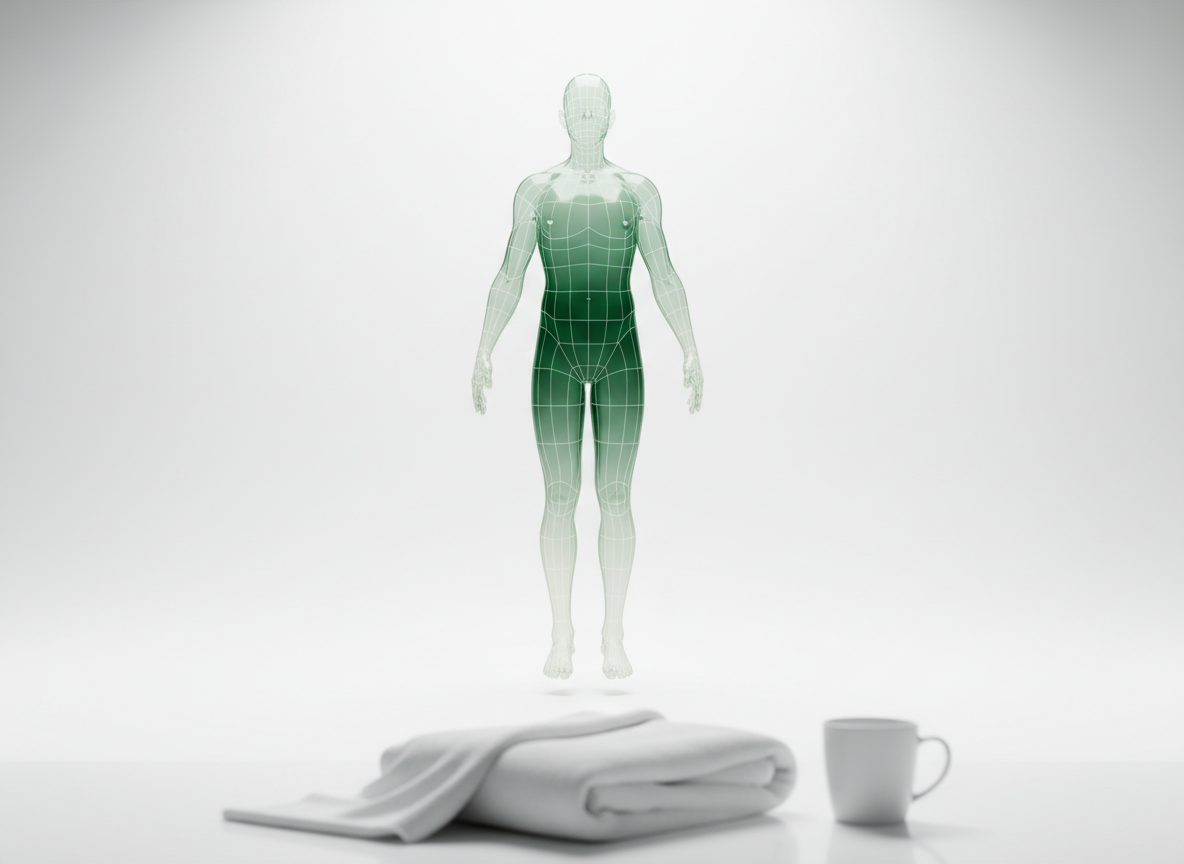
Usually because of what the weight loss changes, not the medication itself. You are eating far less, so your body makes less heat digesting food. You are losing the fat that insulated you. Resting metabolism dips during weight loss, and dehydration and low iron make hands and feet colder still. Cold intolerance is not listed in the prescribing information.
At GLP-1 SOS the message usually reads: the weight is coming off, and I am wearing a sweater indoors while everyone else is fine. Here is where the cold comes from and what warms you up.
Three usual causes
Where the cold is coming from
Less heat from food
Smaller, fewer, lower-protein meals
Feels like: Chilly an hour after a tiny lunch, or all afternoon
Tells: One or two meals a day, protein slipping
Helps: Warm, protein-first food every 3 to 4 hours
Most common
Less insulation
Fat under the skin is leaving fast
Feels like: Cold hands, feet, nose; fine in the sun
Tells: Fast loss, thinner arms and face
Helps: Layers at the edges, muscle kept with protein
Less warm blood
Dehydration and low iron
Feels like: Cold plus tired, dizzy standing, pale
Tells: Dark urine, few periods left, no red meat
Helps: Salted fluids; ferritin and thyroid checked
What is actually happening
Your body makes heat three ways: the resting work of organs and muscle, movement, and digestion. Digestion is the one people forget. Roughly a tenth of the calories in a mixed meal are spent as heat while it is broken down, and protein is the most expensive: 20 to 30 percent of its calories go up as warmth, against almost none for fat. On a GLP-1 you eat far less, often less protein, so that heater runs smaller and less often, and the after-meal warmth you never noticed is gone.
Fat under the skin is insulation. Lose it quickly and heat leaves through the skin faster, and the body does what it always does to protect the core: it narrows the blood vessels in hands, feet, nose and ears first. That is why the cold is felt at the edges.
Then the engine itself. When you eat well below what you burn for weeks, resting energy use falls more than the lost weight alone would predict. Researchers call this adaptive thermogenesis; it develops over a few weeks of underfeeding and persists while the weight stays off.
Lab note
Fewer meals, less insulation, a quieter engine. The cold is the weight loss.
Two things pile on. Less thirst and less water from food shrink blood volume, so less warm blood reaches the skin. And eating far less usually means less red meat, beans and fortified grains, so iron drops; the National Heart, Lung, and Blood Institute lists cold hands and feet among the symptoms of iron-deficiency anemia.
One honest note. Cold intolerance, chills and feeling cold do not appear in the adverse-reaction tables of the Wegovy, Zepbound or Ozempic prescribing information. That does not make it imaginary; it makes it a consequence of losing weight and eating far less rather than a listed effect of the molecule. An underactive thyroid causes the same cold intolerance, with tiredness, constipation, dry skin and hair loss, so it is a test worth asking for, not a diagnosis to assume.
The heat in a meal
Why eating less means feeling cold
About 10%
of a mixed meal’s calories are spent as heat during digestion
20 to 30%
of protein calories go up as warmth, the highest of any nutrient
0 to 3%
of fat calories are spent as heat, the lowest
Source: Diet induced thermogenesis. Nutrition & Metabolism, 2004.
What to do
- Eat warm and protein-first. Every three to four hours, because protein makes the most heat when it is digested and a small warm meal is a heater you can schedule. One meal a day means one warm-up.
- Drink warm, and drink salt. Broth, herbal tea and a sugar-free electrolyte mix put back the water and salt that keep blood volume up and warm blood reaching your hands. Water follows salt.
- Ask for three blood tests. Iron, ferritin and thyroid: low iron and an underactive thyroid both feel exactly like this, and one draw checks both. Do not start iron on your own; too much has its own problems.
- Warm the edges first. Socks, slippers, a scarf and gloves indoors if you need them. The body sacrifices hands and feet to protect the core, so cover them and the rest of you feels warmer.
- Move ten minutes, twice a day. Muscle is your largest heater and a brisk walk turns it on for an hour afterward. After meals is best, since it helps the slow gut too.
- Keep the muscle you have. Two short resistance sessions a week and a daily protein floor mean the weight you lose is fat, not the tissue that makes heat.
- Write down when it started. Note the week, how fast the weight is coming off and what you eat in a day. If intake has collapsed, tell your prescriber; staying longer on the current dose is a normal thing to ask.
Normal or not
Expected cold, or call your prescriber
Expected cold
- Hands and feet first, core fine
- Worse after skipped or tiny meals
- Eases with a warm salted drink and a walk
- Started as the weight came off fast
- Better in layers, gone in the sun
Call your prescriber
- Faint when you stand
- Racing heart or breathless on stairs
- Fingers or toes white or blue
- Shivering with a fever
- Cold plus constipation, hair loss, dry skin, heavy tiredness
Cold intolerance is not in the labels’ adverse-reaction tables. A thyroid and iron check is a normal request.
When to call your doctor
Call your prescriber the same day if:
- You feel faint when you stand
- Your heart races or you are breathless on the stairs
- You are keeping down almost no food or liquid
- You feel confused or unusually slow
- Your fingers or toes turn white or blue
- You are shivering with a fever
- The cold comes with new constipation, hair loss, dry skin and a heavy tiredness that a full night of sleep does not fix, because that pattern is worth a thyroid test
Cool hands after a small dinner is expected. Faint, breathless or blue is not.

From the people behind the Lab
You do not have to figure this out alone.
GLP-1 SOS is the daily companion made for life on a GLP-1. Plain answers like this one, a support team that replies to real questions from real people, and daily formulas like GLP-1 SOS Daily Gut Relief, designed around the side effects that come with the medication. The GLP-1 Lab is our free education arm: no login, no paywall, no hype. Side effects are part of the road. Suffering through them is not.
Questions people also ask
Does Ozempic make you cold?
Not directly, as far as the labels go. Cold intolerance is not in the adverse-reaction tables for Ozempic, Wegovy or Zepbound. What makes people cold is what the medication makes possible: eating far less, so less heat from digestion; losing the fat that insulated you; and a resting metabolism that dips during weight loss. Dehydration and low iron add to it.
Why are my hands and feet always cold since starting Wegovy?
When the body wants to protect its core temperature it narrows the blood vessels in the hands and feet first, and on a GLP-1 it has more reasons to: less heat from smaller meals, less insulation, and less blood volume when you drink less. Warm drinks with salt, socks and a short walk help within the hour. Fingers or toes that turn white or blue are a call.
Is feeling cold a sign of low iron on a GLP-1?
It can be. Cold hands and feet, tiredness, dizziness on standing and pale skin are listed symptoms of iron-deficiency anemia, and eating far less usually means far less iron. Women who still have periods run short fastest. Ask your prescriber for ferritin and a blood count rather than starting iron on your own; the same draw can check your thyroid.
Does feeling cold mean my metabolism has slowed down?
Partly, and that part is expected. During weeks of eating well below what you burn, resting energy use falls somewhat more than the lost weight explains. It is a normal response to underfeeding, not damage, and keeping muscle with protein and resistance work limits it. The rest of the cold is simpler: fewer, smaller meals make less heat, and less fat holds less of it in.
Sources (6)
- Wegovy (semaglutide) injection, Prescribing Information. Novo Nordisk / FDA, revised February 2026.
- Zepbound (tirzepatide) injection, Prescribing Information. Eli Lilly, revised August 2026.
- Weight loss, weight maintenance, and adaptive thermogenesis. The American Journal of Clinical Nutrition, 2013.
- Diet induced thermogenesis. Nutrition & Metabolism, 2004.
- Iron-Deficiency Anemia. NIH National Heart, Lung, and Blood Institute (NHLBI), updated March 2022.
- Hypothyroidism. StatPearls, NCBI Bookshelf, updated February 2024.
Reviewed by the GLP-1 SOS editorial team · Education, not medical advice · Talk to your prescriber about your dose and your symptoms.