The GLP-1 Lab · by GLP-1 SOS
Ozempic
-
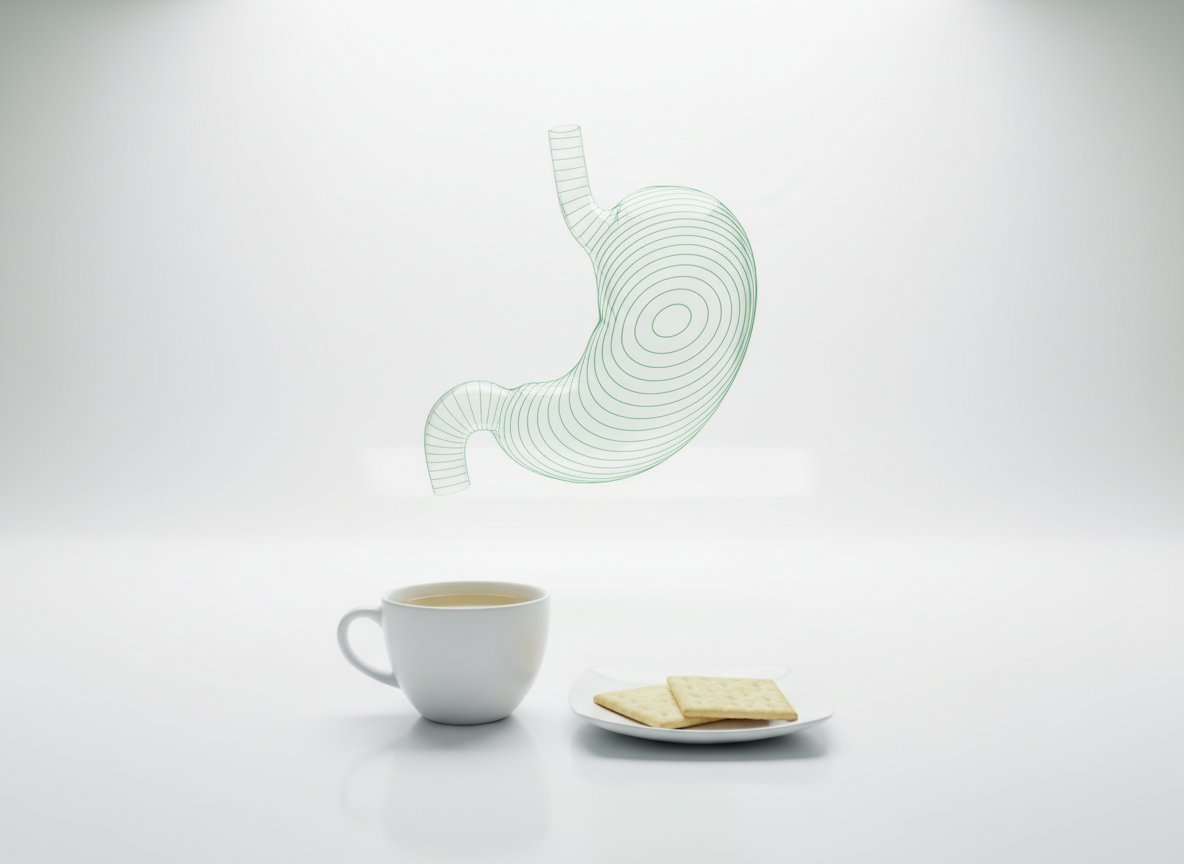
Is it normal to feel nauseous on a GLP-1?
Yes. Nausea is the most common GLP-1 side effect, usually mild and worst after dose increases. Vomiting, severe pain or not keeping fluids down is not.
-
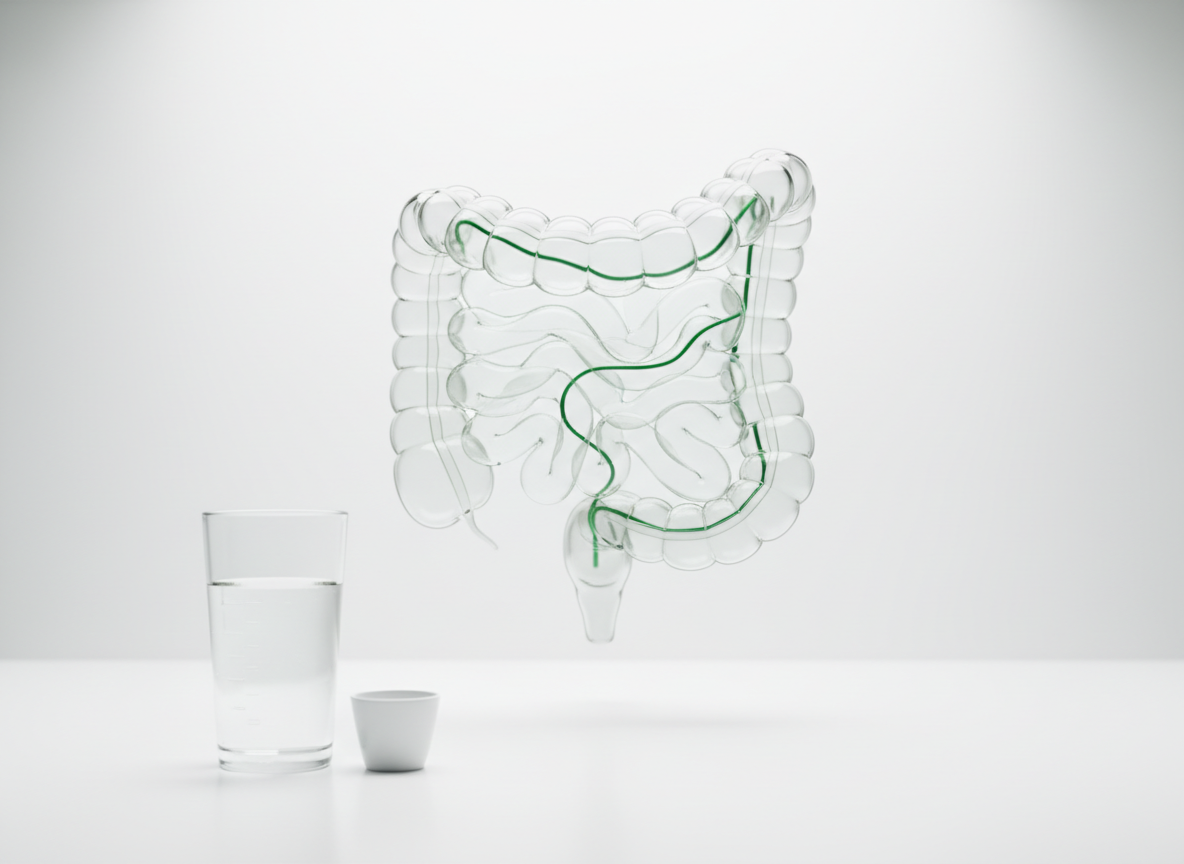
What to do when nothing works for constipation on a GLP-1
Rule out a blockage, then switch from occasional fixes to a steady daily osmotic, add a short-term stimulant as rescue, and ask about prescription options.
-
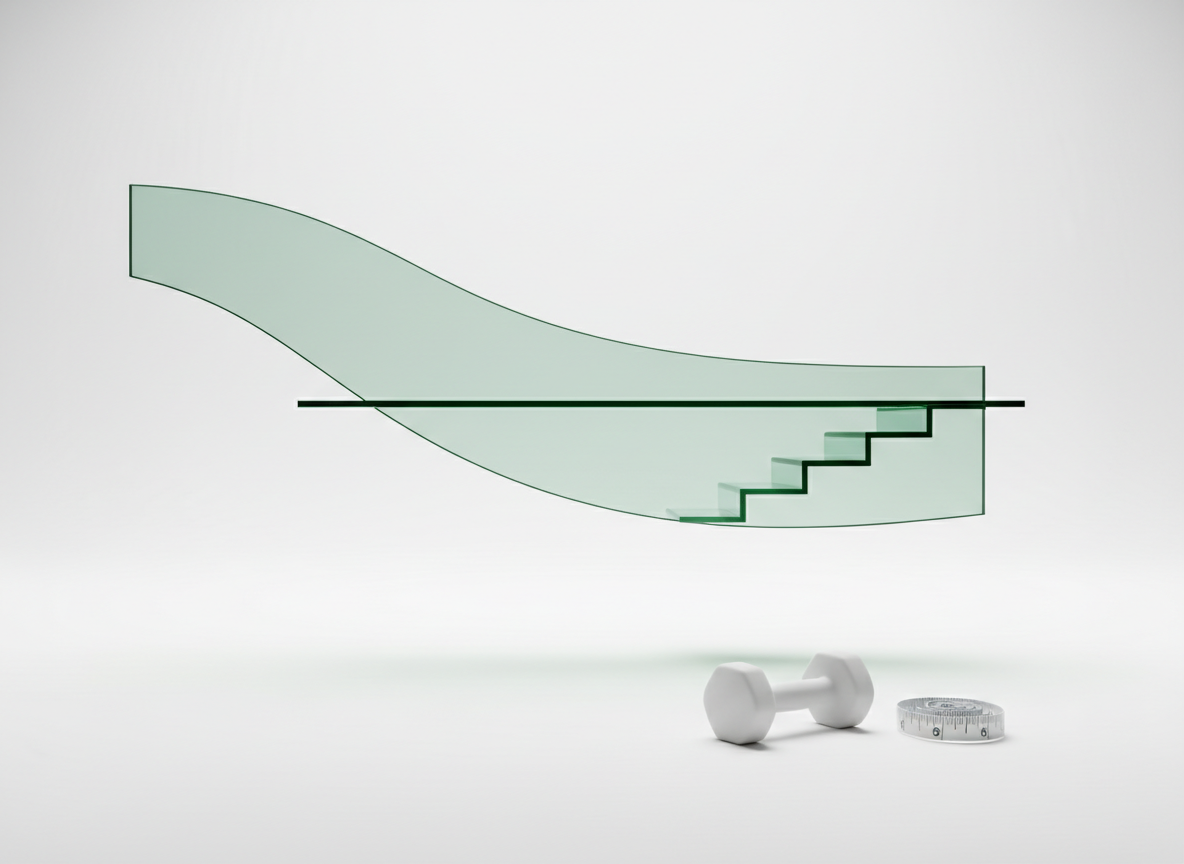
How to break a plateau on a GLP-1
Confirm the plateau, work your levers (protein, strength, steps, no liquid calories), then ask your prescriber about the dose. Never stop or double up.
-

Best protein sources and shakes on a GLP-1 when you can’t eat much
Pick protein that packs the most grams into the fewest bites: Greek yogurt, cottage cheese, eggs, fish, chicken, plus a low-fat shake sipped slowly.
-
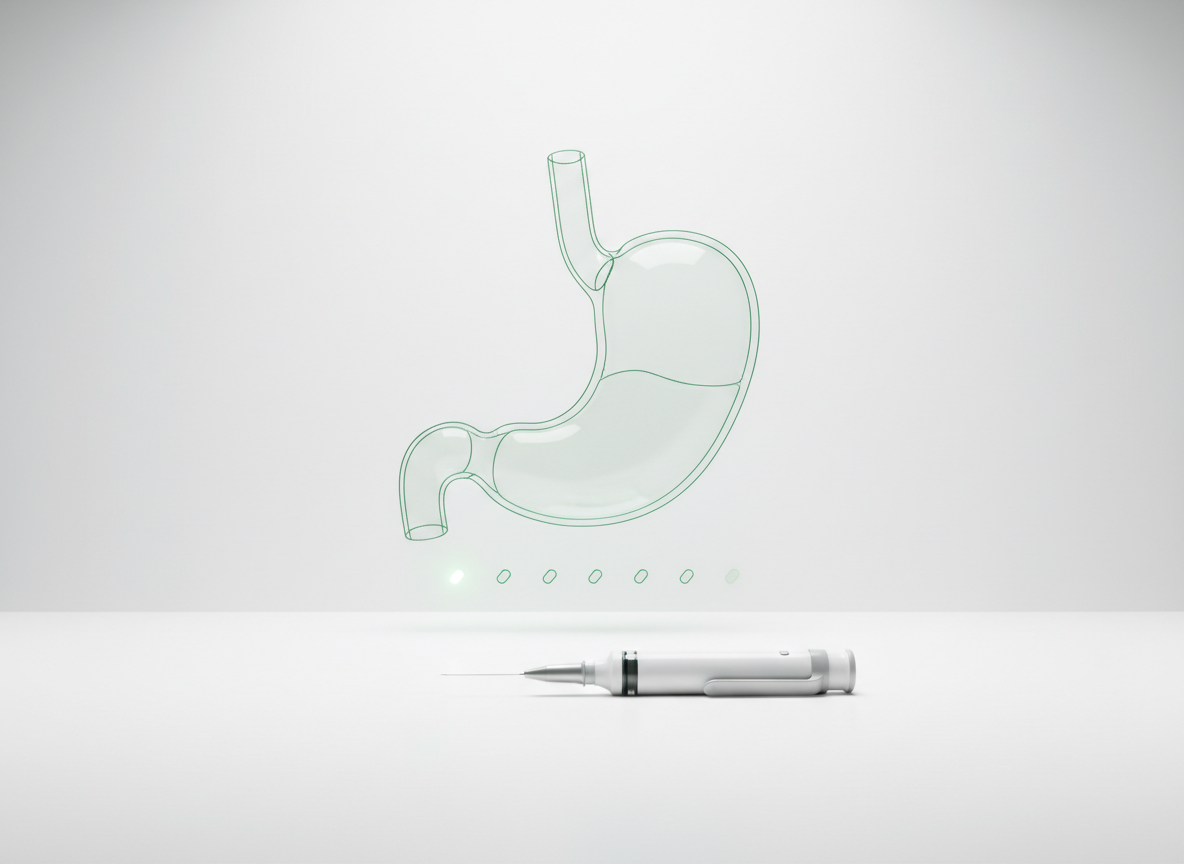
How long does nausea last after a GLP-1 injection?
GLP-1 nausea peaks 1 to 3 days after each shot, is strongest in the first weeks of a new dose and fades over months. How long each phase lasts.
-

Why does a GLP-1 cause dry mouth (and what helps)?
Dry mouth on a GLP-1 is mostly about fluid: less thirst, smaller meals that make less saliva, and water lost through the gut. What helps.
-
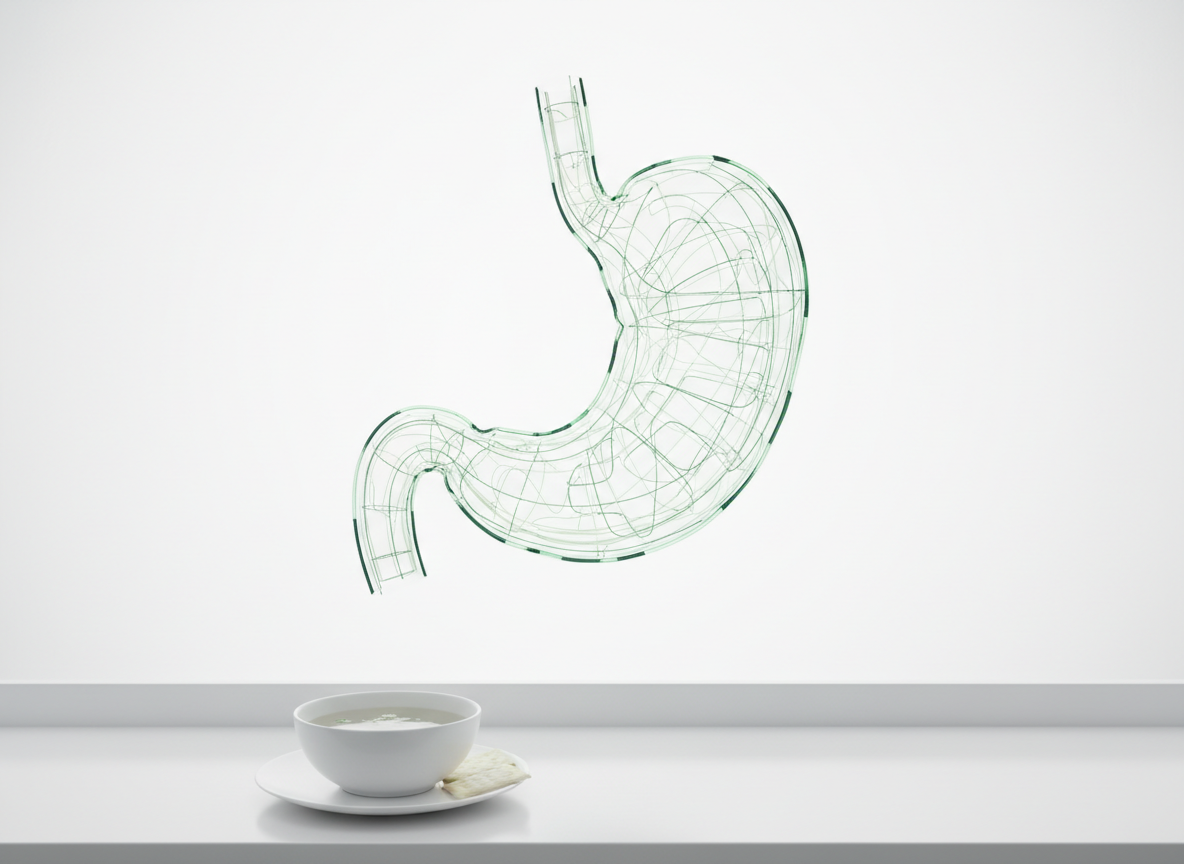
What to eat when nauseous on a GLP-1
On a queasy GLP-1 day: small, plain, cool plates, a few bites of protein first, then crackers, rice or broth, with drinks between meals.
-
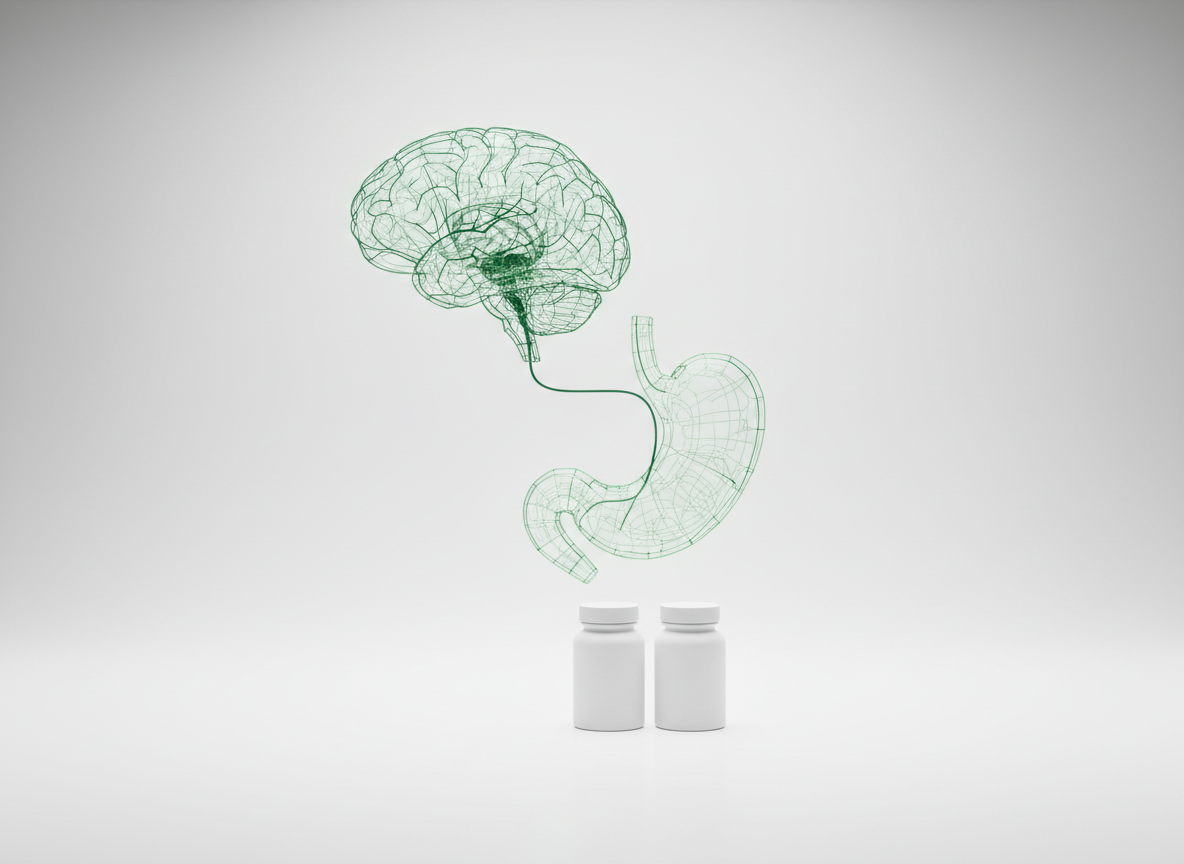
Can I take a GLP-1 with antidepressants (SSRIs, Wellbutrin)?
Most people take a GLP-1 with an SSRI or Wellbutrin. No listed interaction, but nausea, appetite and mood belong on both prescribers’ radar.
-
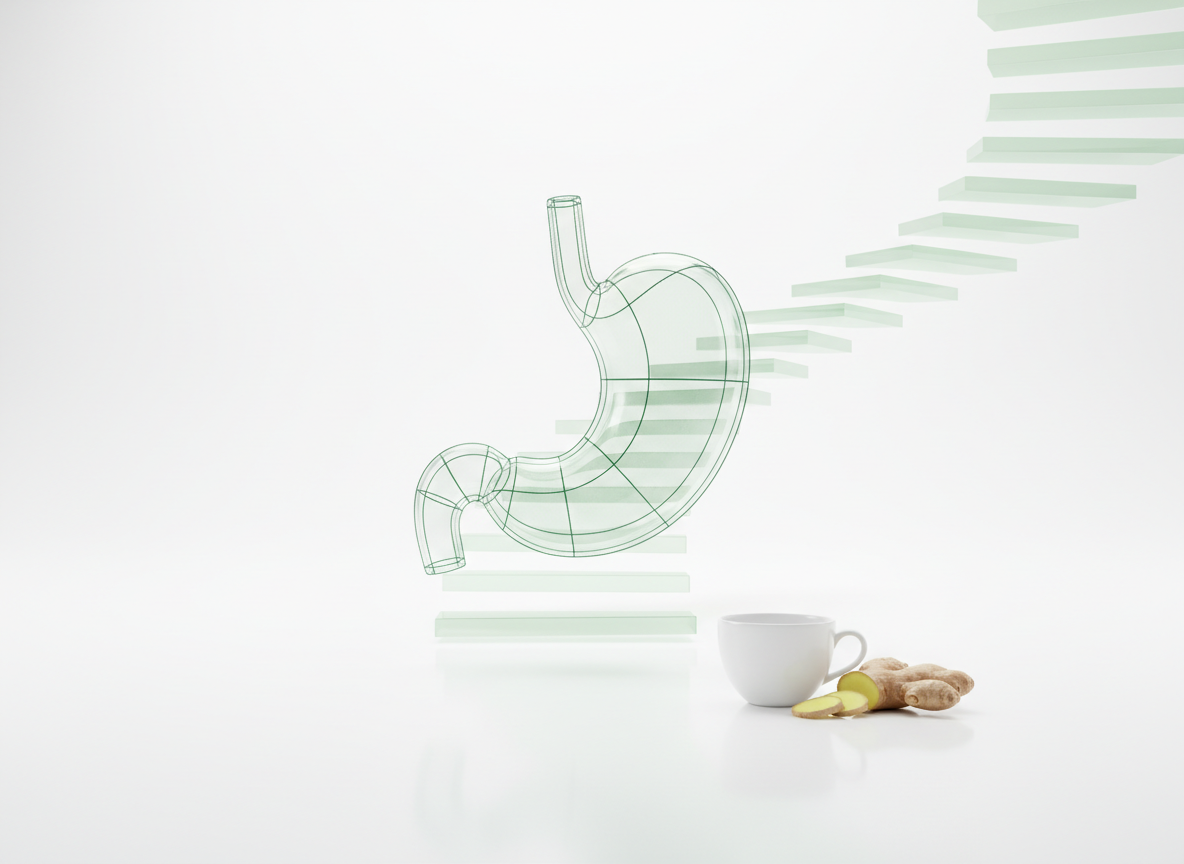
Nausea after a GLP-1 dose increase: what to do
Nausea after a GLP-1 dose increase peaks in the first one to two weeks and eases as the stomach adapts. What to do, and when to hold the dose.
-
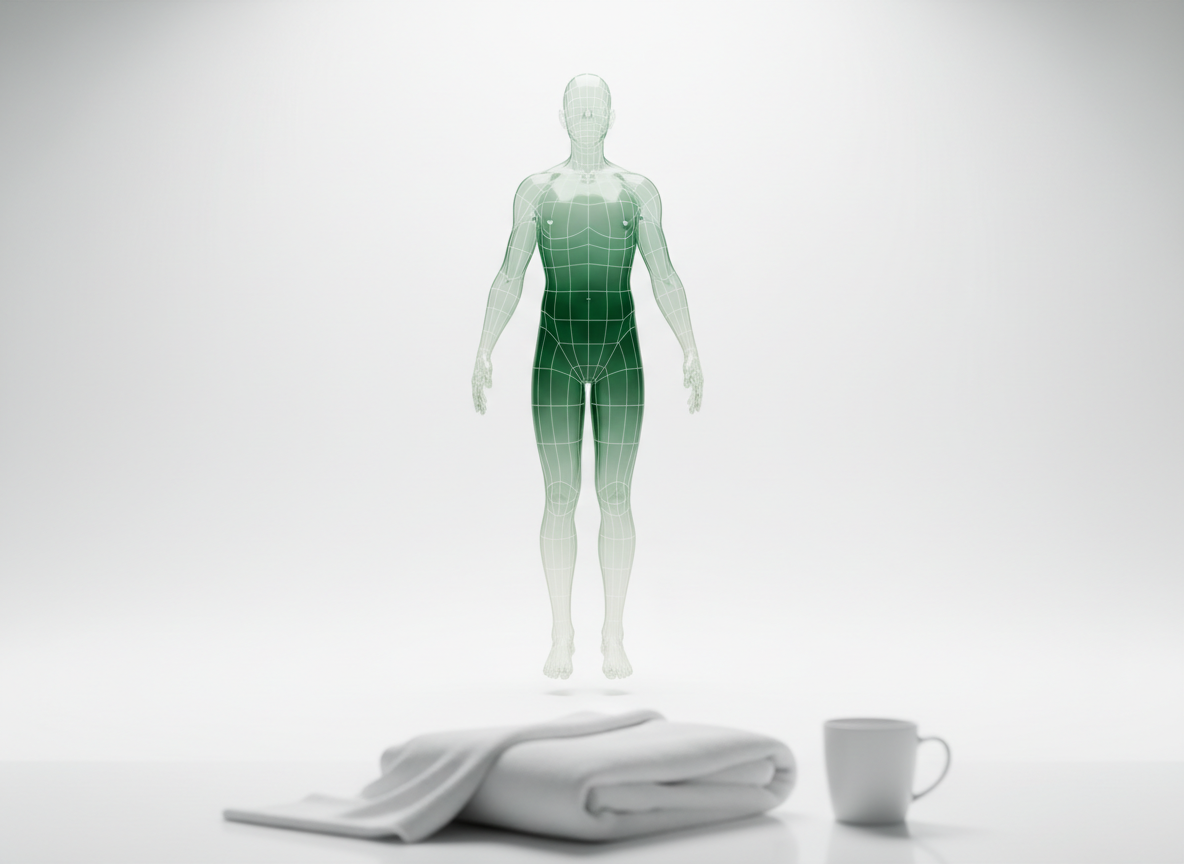
Why am I always cold on a GLP-1?
Feeling cold on a GLP-1 usually comes from eating less, losing insulating fat and a metabolism that dips during weight loss. What helps.