The short answer
Choose protein that packs the most grams into the least space: Greek yogurt, cottage cheese, eggs, canned tuna, shrimp and chicken breast. A 3-ounce portion of chicken or tuna gives about 22 to 26 grams. On days when food will not go down, a low-fat shake sipped over 30 to 60 minutes fills the gap; it should not replace every meal.
At GLP-1 SOS we hear it every week: “I know I need protein, but I am full after four bites.” How much you need is covered in how much protein to eat on a GLP-1. This answer is about which foods and shakes get the most protein past a stomach that fills fast, with numbers from the USDA food database.
At a glance
Three rules for a small stomach
1
Grams per bite, not per plate
Lean, dense protein like chicken breast, tuna, shrimp and Greek yogurt gives the most protein for the space it takes.
2
Low fat sits lighter
Fat slows a stomach that is already slowed by the medication. Lean or low-fat versions clear faster and burp less.
3
Shakes fill gaps
A low-fat shake sipped slowly rescues a low day. Whole food still brings the iron, calcium and zinc a shake may lack.
Why some protein goes down easier
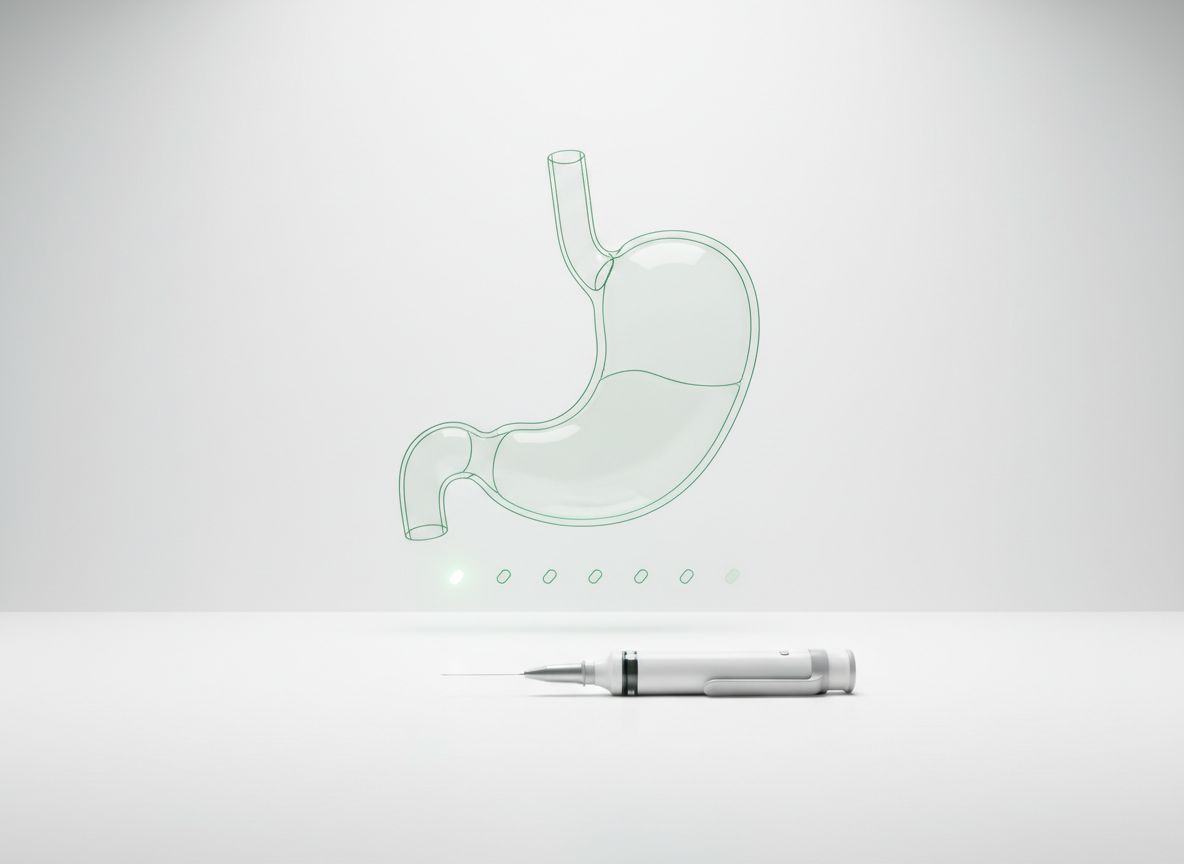
Every GLP-1 slows how fast your stomach empties; the Wegovy label says semaglutide delays gastric emptying. That is why you feel full after a few bites and why a heavy plate can sit for hours. So the best protein is not the one with the most grams in a big serving. It is the one with the most grams in a small, light one.
Lean animal protein wins on density. In USDA FoodData Central, roasted chicken breast has about 31 grams of protein per 100 grams, canned light tuna in water about 25 and cooked shrimp about 24, each with little fat. Dairy is softer on a queasy day: plain Greek yogurt and 2% cottage cheese have about 10 grams per 100 grams. Cooked lentils give about 9 grams per half cup, but their fiber adds bulk and gas, so keep portions small.
Lab note
On a GLP-1 the best protein is the one with the most grams in the smallest, lightest bite.
Fat is the other lever. A multidisciplinary expert consensus on GLP-1 stomach side effects recommends smaller portions, eating slowly, stopping at the first sign of fullness and choosing low-fat, easy-to-digest food. Fried and roasted chicken have similar protein, but the fried one lingers. If a big protein meal comes back as rotten-egg burps, see why sulfur burps happen on a GLP-1.
Spreading protein out matters too. A 2018 review found that about 20 to 25 grams of high-quality protein at one sitting maximizes muscle building in young adults. On a GLP-1, 20 grams at once can be hard, so four or five small protein moments a day is the practical answer. A 2025 joint advisory from four US obesity and nutrition groups names protein and strength training as priorities to protect muscle and bone.
From the USDA database and the research
The numbers that matter
About 6 g
protein in one large egg, per USDA FoodData Central
16 to 17 g
protein in a 6-ounce cup of plain Greek yogurt, per USDA FoodData Central
20 to 25 g
protein per sitting that maximizes muscle building in young adults, per a 2018 review
Sources: USDA FoodData Central (SR Legacy); Journal of the International Society of Sports Nutrition, 2018; Wegovy Prescribing Information, June 2026.
What to do
- Keep five easy proteins in the fridge. Plain Greek yogurt, cottage cheese, hard-boiled eggs, canned tuna or salmon, cooked chicken breast. When appetite opens for ten minutes, protein is ready first.
- Eat the protein first. Start every meal or snack with it while you still have room. A half cup of 2% cottage cheese gives about 12 grams; 3 ounces of chicken breast about 26.
- Go small and often. Four or five small protein moments beat one big dinner on a slowed stomach. Two eggs at noon, yogurt mid-afternoon and fish at dinner add up.
- Choose lean and soft on queasy days. Yogurt, cottage cheese, eggs, white fish, tofu and chicken soup go down easier than steak, sausage or anything fried.
- Use a shake as a bridge, sipped slowly. On a day when food will not go down, a low-fat shake with about 20 grams of protein, sipped over 30 to 60 minutes, keeps you on track. Pick one with a third-party seal: the FDA does not approve supplements before they are sold.
- Give your gut an evening routine. The 2025 joint advisory notes that protein- and fat-heavy food can slow the stomach further and worsen constipation. A small dinner, a short walk and steady water help. GLP-1 SOS Daily Gut Relief was designed for that stretch: 250 mg of magnesium plus ginger and peppermint, 2 capsules with dinner, to support regular bowel movements and digestive comfort.*
- Add two short strength sessions a week. Protein protects muscle when the muscle is asked to work. Fifteen minutes of bodyweight squats, wall push-ups or bands counts.
*GLP-1 SOS Daily Gut Relief supports regular bowel movements and digestive comfort. These statements have not been evaluated by the Food and Drug Administration. This product is not intended to diagnose, treat, cure or prevent any disease.
On the label
A shake that helps, or one that fights you
Look for
- About 20 grams of protein or more per serving
- Low fat, a few grams per serving
- Little or no added sugar
- Clear or lactose-free options if milk upsets you
- A third-party testing seal such as NSF or USP
Be careful with
- Creamy, high-fat or meal-replacement shakes
- Sweeteners ending in -ol (sorbitol, maltitol, xylitol)
- Large servings gulped in a few minutes
- Added fiber or “gut blends” on a gassy week
- Shakes replacing every meal for weeks
Sip it over 30 to 60 minutes. Speed matters as much as the brand.
When to call your doctor
Call your prescriber the same day if:
- You cannot keep food or liquids down, or you vomit repeatedly
- You feel faint or dizzy when you stand
- You have severe or persistent belly pain, with or without vomiting
- You have upper right belly pain, fever, or yellow skin or eyes
- You have lived on shakes alone for more than a few days
- You have kidney disease and want to raise your protein
Eating less is expected. Living on almost nothing is not.

From the people behind the Lab
You do not have to figure this out alone.
GLP-1 SOS is the daily companion made for life on a GLP-1. Plain answers like this one, a support team that replies to real questions from real people, and daily formulas like GLP-1 SOS Daily Gut Relief, designed around the side effects that come with the medication. The GLP-1 Lab is our free education arm: no login, no paywall, no hype. Side effects are part of the road. Suffering through them is not.
Questions people also ask
What is the best protein shake for Ozempic or Wegovy?
There is no single best brand. Look for about 20 grams of protein per serving, low fat, little added sugar and a third-party seal such as NSF or USP, since the FDA does not approve supplements before sale. Clear or lactose-free shakes suit a queasy stomach. Then sip it over 30 to 60 minutes; a good shake gulped in three minutes can still make you sick.
How do I get protein when I’m not hungry on Mounjaro or Zepbound?
Eat protein first, in small amounts, several times a day. Keep ready protein in the fridge: Greek yogurt, cottage cheese, hard-boiled eggs, canned tuna and cooked chicken. A 6-ounce Greek yogurt gives about 16 to 17 grams with little effort. When nothing appeals, a low-fat shake sipped slowly fills the gap. If you are skipping meals for days, tell your prescriber.
Can I just drink protein shakes instead of eating on a GLP-1?
For a day or two when food will not go down, yes. As a long-term plan, no. Whole food brings iron, calcium, magnesium, zinc and vitamins that a 2025 joint advisory on GLP-1 nutrition lists as nutrients of concern when intake drops. Use shakes to bridge low days and keep some small meals. Living on shakes for weeks is a conversation for your prescriber.
Which protein foods are easiest to digest on a GLP-1?
Soft, lean ones: eggs, Greek yogurt, cottage cheese, white fish, shrimp, tofu and moist chicken breast. Fried, fatty or creamy protein lingers and tends to come back as burps. Beans and lentils are healthy but bulky and gassy, so keep portions small. If eating at all is hard right now, see what to eat when nauseous on a GLP-1.
How much protein do older adults need on a GLP-1?
Usually more than the basic adult RDA. The PROT-AGE study group recommends at least 1.0 to 1.2 grams per kilogram a day for adults over 65, and 1.2 to 1.5 for those with acute or chronic illness, except in severe kidney disease. Weight loss adds a reason to reach that target. Your prescriber can set your number based on your kidneys and health.
Sources (7)
- Wegovy (semaglutide) injection and tablets, Prescribing Information. Novo Nordisk / FDA, revised June 2026.
- FoodData Central (SR Legacy: egg, Greek yogurt, cottage cheese, chicken breast, canned tuna, shrimp, lentils). U.S. Department of Agriculture, Agricultural Research Service.
- Schoenfeld BJ, Aragon AA. How much protein can the body use in a single meal for muscle-building? Implications for daily protein distribution. Journal of the International Society of Sports Nutrition, 2018.
- Bauer J, et al. Evidence-based recommendations for optimal dietary protein intake in older people: a position paper from the PROT-AGE Study Group. Journal of the American Medical Directors Association, 2013.
- Mozaffarian D, et al. Nutritional priorities to support GLP-1 therapy for obesity: a joint Advisory from the American College of Lifestyle Medicine, the American Society for Nutrition, the Obesity Medicine Association, and The Obesity Society. American Journal of Clinical Nutrition, 2025.
- Gorgojo-Martínez JJ, et al. Clinical Recommendations to Manage Gastrointestinal Adverse Events in Patients Treated with GLP-1 Receptor Agonists: A Multidisciplinary Expert Consensus. Journal of Clinical Medicine, 2023.
- Questions and Answers on Dietary Supplements. U.S. Food and Drug Administration.
Reviewed by the GLP-1 SOS editorial team · Education, not medical advice · Talk to your prescriber about your dose and your symptoms.