The short answer
Change the plan, not the effort. First rule out a blockage: no stool and no gas with vomiting, a swollen belly or severe pain is a same-day call. Then use a daily osmotic such as polyethylene glycol (MiraLAX) at a steady dose instead of now and then, and keep a stimulant such as bisacodyl or senna for short-term rescue. If you are still stuck after a week, your prescriber has prescription options and can slow your dose steps.
At GLP-1 SOS the hardest constipation messages read the same way: “I have tried everything.” Usually that means a bit of everything, one at a time, for a day or two each, which rarely works on a gut the medication has slowed. Here is the escalation plan gastroenterologists use, adapted to life on a GLP-1, and the signs that it is no longer a home problem.
At a glance
Three moves when nothing works
1
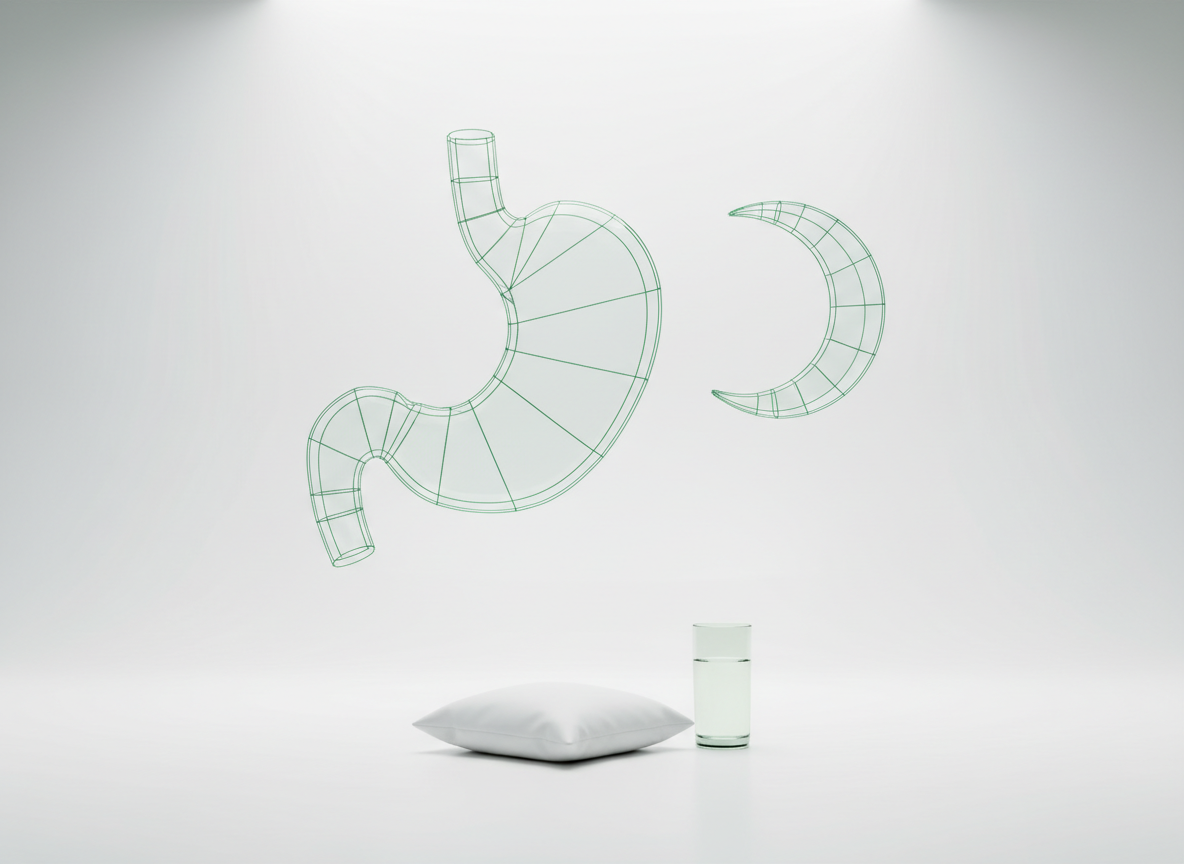
Rule out a blockage
No stool and no gas, with vomiting, a swollen belly or severe pain, is a same-day call, not a laxative problem.
2
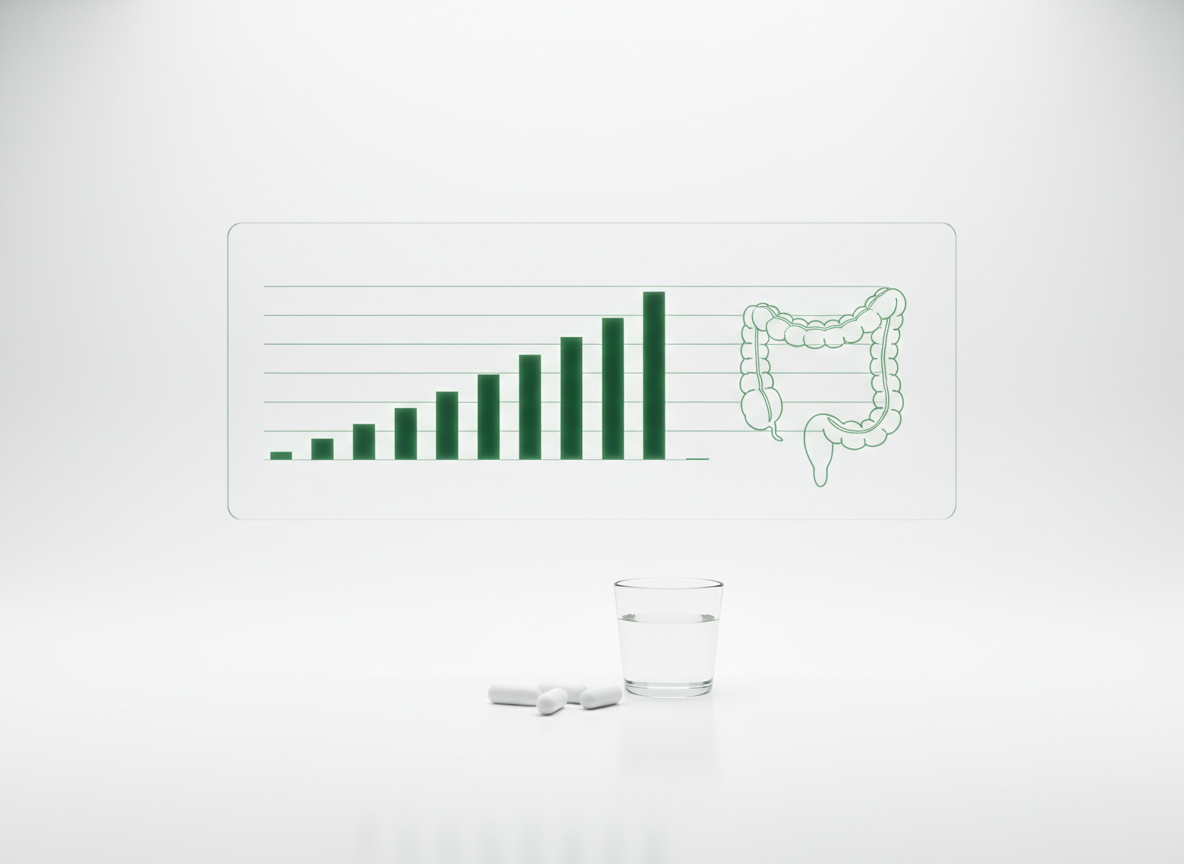
Go daily, not occasional
A steady daily osmotic keeps water in the stool. A stimulant is the short-term rescue on top, not the plan.
3
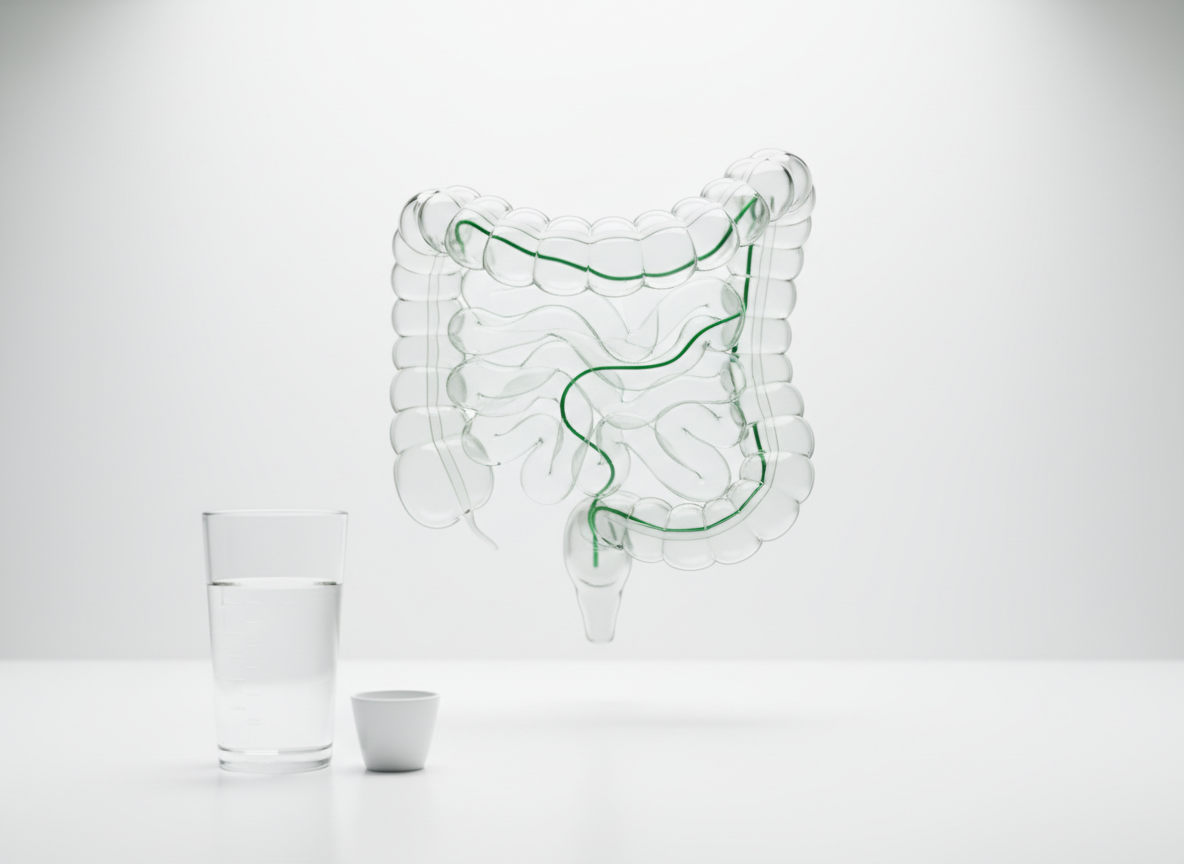
Escalate on time
Still stuck after about a week of a steady plan? Prescription options and slower dose steps are your prescriber’s tools.
Why the usual fixes stop working
GLP-1 medications slow the whole gut, not only the stomach. Stool spends longer in the colon, the colon pulls more water out of it, and it gets harder and smaller. Add smaller meals, less fiber and often less water, and the colon has little to push. Constipation is common: the Wegovy label reports it in 24% of adults on 2.4 mg vs 11% on placebo, and the Zepbound label in 11% to 17% vs 5%.
The usual fixes fail for predictable reasons. Extra fiber without extra water can make hard stool bulkier (see how much fiber to eat on a GLP-1). An osmotic taken only once you are blocked arrives late; it works by holding water in the stool day after day. Switching products nightly gives none a fair trial. And some medicines slow the bowel on their own: the NIDDK lists aluminum and calcium antacids, iron supplements, calcium channel blockers, diuretics, narcotic pain medicines and some antidepressants.
Lab note
On a slowed gut, a steady daily plan beats a different rescue every night.
The evidence on what to use is clear. The 2023 American Gastroenterological Association and American College of Gastroenterology guideline strongly recommends polyethylene glycol, and bisacodyl or sodium picosulfate for short-term or rescue use, with conditional recommendations for fiber, senna, magnesium oxide and lactulose. Its strong prescription options are linaclotide, plecanatide and prucalopride. These were tested in chronic constipation, not in people on GLP-1 medications.
Know where the line is. The Wegovy and Zepbound labels both list ileus, intestinal obstruction and severe constipation including fecal impaction among reports after approval. Those are rare, but they are why “nothing is moving at all” with pain or vomiting is a call, not another laxative. Hard stool that leaks around a blockage can also look like diarrhea; see constipation followed by diarrhea on a GLP-1.
From the labels and the guideline
The numbers that frame it
24% vs 11%
adults with constipation on Wegovy 2.4 mg vs placebo, per the Wegovy label
Up to 17%
adults with constipation on Zepbound, vs 5% on placebo, per the Zepbound label
1 to 3 days
how long MiraLAX generally takes to produce a bowel movement, per its Drug Facts label
Sources: Wegovy Prescribing Information, June 2026; Zepbound Prescribing Information, August 2026; MiraLAX Drug Facts label, DailyMed.
What to do
- Check for a blockage first. If you have no stool and no gas, a swollen belly, vomiting or severe pain, stop and call today. Do not keep adding laxatives on top of a possible obstruction.
- Make the osmotic daily and steady. Polyethylene glycol (MiraLAX) at the package dose, every day rather than now and then. The label says it generally works in 1 to 3 days and not to use it more than 7 days unless a doctor tells you, so ask your prescriber about longer daily use. More in can I take MiraLAX with a GLP-1.
- Add a stimulant only as rescue. If two or three days pass with nothing, a bisacodyl or senna dose per the package can restart things. The guideline supports bisacodyl for short-term or rescue use; regular use beyond the package limit is your prescriber’s call.
- Fix the inputs at the same time. Water through the day, a little more fiber added slowly (fruit, cooked vegetables, oats), and a walk after meals. The expert consensus on GLP-1 stomach side effects lists fluids, fiber and activity first.
- Check what else you take. Iron tablets, calcium or aluminum antacids, blood pressure medicines like calcium channel blockers, diuretics and pain medicines can all slow the bowel. Do not stop a prescription; bring the list to your prescriber.
- Give the bowel unhurried time. Sit for a few minutes after a meal, when the colon is most active, with your feet on a small stool and no straining. The same time every day trains the habit.
- Escalate on time. If a steady plan has not worked in about a week, ask about prescription options such as linaclotide, plecanatide or prucalopride, and about your dose. The Wegovy label lets prescribers delay a dose step by 4 weeks when a dose is not tolerated.

From our support desk at GLP-1 SOS
If you wrote to us tonight about this, here is what we would say.
First we would ask whether you are passing gas and whether there is pain or vomiting, because that needs your doctor today. If not, we would ask you to stop rotating products and run one steady plan: a daily osmotic, water through the day, a walk after dinner, a rescue stimulant kept for day three. Then we would tell you why we built GLP-1 SOS Daily Gut Relief: 250 mg of magnesium (citrate and oxide) with ginger, peppermint and a probiotic blend, 2 capsules with dinner, to support regular bowel movements as a daily habit, with no fiber and no stimulant laxatives. It also contains 9 mg of iron bisglycinate, so if you take an iron tablet, show your prescriber the label. It is daily support, not a rescue for a blocked bowel; plain magnesium oxide or polyethylene glycol from the pharmacy is a fair brand-free alternative.*
We answer real questions from real people every day. Write to us if yours is not here.
*GLP-1 SOS Daily Gut Relief supports regular bowel movements and digestive comfort. These statements have not been evaluated by the Food and Drug Administration. This product is not intended to diagnose, treat, cure or prevent any disease.
Two kinds
Stubborn, or a same-day call
Stubborn but expected
- Hard, small stools every few days
- Straining, a feeling of not being done
- Bloating that eases after a bowel movement
- Worse in the week after a dose step
- Still passing gas
Call the same day
- No stool and no gas for several days
- Vomiting, especially with a swollen belly
- Severe or worsening belly pain
- Blood in the stool or black stool
- Watery leakage after days of nothing
Pain, vomiting or no gas at all turns constipation into a medical question.
When to call your doctor
Call your prescriber the same day if:
- You have had no stool and no gas for several days
- You are vomiting, especially with a swollen or hard belly
- You have severe or worsening belly pain, with or without vomiting
- There is blood in your stool, or your stool is black
- You have watery leakage after days without a real bowel movement
- You feel faint, very weak or confused
- Constipation has not improved after a week of a steady daily plan
Stubborn is common. Nothing moving at all, with pain or vomiting, is not.

From the people behind the Lab
You do not have to figure this out alone.
GLP-1 SOS is the daily companion made for life on a GLP-1. Plain answers like this one, a support team that replies to real questions from real people, and daily formulas like GLP-1 SOS Daily Gut Relief, designed around the side effects that come with the medication. The GLP-1 Lab is our free education arm: no login, no paywall, no hype. Side effects are part of the road. Suffering through them is not.
Questions people also ask
What is the strongest laxative I can take on Ozempic or Wegovy?
Strength is the wrong goal. Stimulants such as bisacodyl or senna act fastest and are reasonable short-term rescues, but the backbone should be a steady daily osmotic like polyethylene glycol, and prescription options exist when that fails. Before any strong laxative, make sure you are passing gas and have no severe pain or vomiting; if you are not, call your doctor instead.
Can I take MiraLAX and Dulcolax together on a GLP-1?
Many people do, and the 2023 AGA-ACG guideline supports both: polyethylene glycol (MiraLAX) as a base and bisacodyl (Dulcolax) for short-term or rescue use. Follow each package’s directions and time limits, and check with your pharmacist about your other medicines. If you need either beyond the package limit, ask your prescriber for a longer-term plan.
How many days without a bowel movement is too long on Mounjaro or Zepbound?
There is no single number, and the labels do not give one. Three or more days with hard stools deserves a steady plan. No stool and no gas, especially with vomiting, a swollen belly or severe pain, needs a same-day call at any point. The Zepbound label lists ileus, intestinal obstruction and fecal impaction among rare reports after approval.
Should I lower my GLP-1 dose if constipation will not go away?
Do not change it yourself, but ask. Constipation is often worst after a dose step, and the Wegovy label lets prescribers delay escalation by four weeks when a dose is not tolerated. Your prescriber may also hold your current dose longer, add a prescription constipation medicine, or look for another cause such as a new medication.
Does magnesium help when nothing else works on a GLP-1?
It can. Magnesium oxide received a conditional recommendation in the 2023 AGA-ACG guideline, and magnesium citrate is a common short-term option. Avoid large or repeated doses if you have kidney disease, and ask your pharmacist about timing around other medicines. More in magnesium citrate for constipation on a GLP-1.
Sources (7)
- Wegovy (semaglutide) injection and tablets, Prescribing Information. Novo Nordisk / FDA, revised June 2026.
- Zepbound (tirzepatide) injection, Prescribing Information. Eli Lilly, revised August 2026.
- Chang L, et al. American Gastroenterological Association-American College of Gastroenterology Clinical Practice Guideline: Pharmacological Management of Chronic Idiopathic Constipation. Gastroenterology, 2023.
- Symptoms & Causes of Constipation. National Institute of Diabetes and Digestive and Kidney Diseases (NIDDK).
- Treatment for Constipation. National Institute of Diabetes and Digestive and Kidney Diseases (NIDDK).
- Gorgojo-Martínez JJ, et al. Clinical Recommendations to Manage Gastrointestinal Adverse Events in Patients Treated with GLP-1 Receptor Agonists: A Multidisciplinary Expert Consensus. Journal of Clinical Medicine, 2023.
- MiraLAX (polyethylene glycol 3350) powder for solution, Drug Facts label. Bayer HealthCare / DailyMed, U.S. National Library of Medicine.
Reviewed by the GLP-1 SOS editorial team · Education, not medical advice · Talk to your prescriber about your dose and your symptoms.