The short answer
For most people, yes, and many do. The Wegovy, Zepbound and Ozempic labels list no interaction with SSRIs or bupropion. Their only note about other pills is that a slower stomach can change how oral medicines are absorbed, so monitor. The real overlap is side effects: nausea, appetite and mood. Both prescribers should know about both.
At GLP-1 SOS we are asked this quietly, often at the end of a message about something else. It deserves a plain answer: what the labels say, what they do not, and what to watch.
What the labels say
Antidepressants next to a GLP-1
SSRIs
Zoloft, Lexapro, Prozac, Paxil, Celexa
Label interaction: None listed on either side
Overlap: Nausea, loose stool, appetite shifts in early weeks
Watch: Pills kept down; mood after each dose step
Wellbutrin
Bupropion
Label interaction: None listed on either side
Overlap: Nausea, smaller appetite, weight loss
Watch: Intake collapsing; eating-disorder history
Most asked
Any daily pill
The one note in all three labels
Label note: A slower stomach can change absorption; monitor
When it matters: First weeks and after each dose step
Watch: Vomiting within an hour of a pill
Sources: Wegovy, Zepbound and Ozempic Prescribing Information, 2026; Wellbutrin XL Prescribing Information, 2024.
What is actually happening
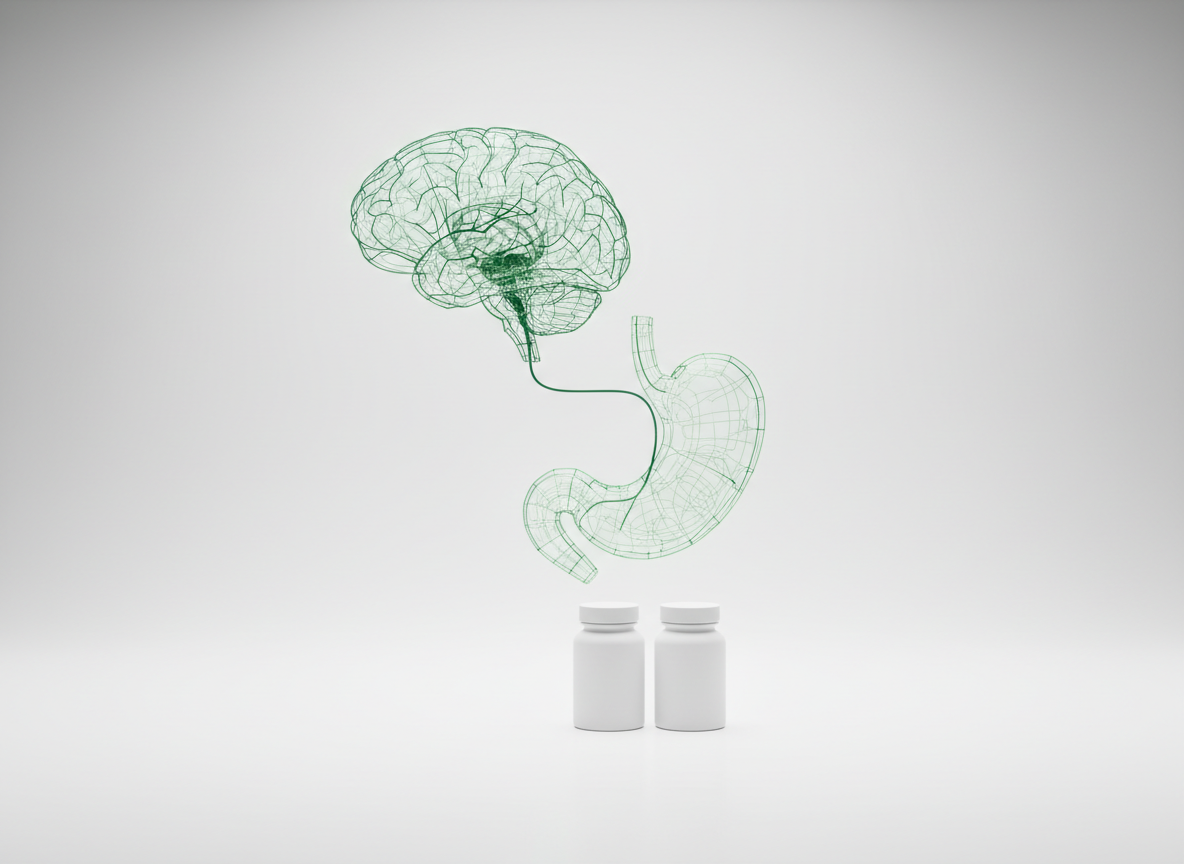
The two medications work in different places. A GLP-1 acts on receptors in the gut, pancreas and the brain’s appetite centers and slows how fast your stomach empties. An SSRI raises serotonin; bupropion (Wellbutrin) works on norepinephrine and dopamine. Semaglutide and tirzepatide are broken down like proteins, not by the liver enzymes that handle most antidepressants, and no label names an antidepressant in its drug-interaction section.
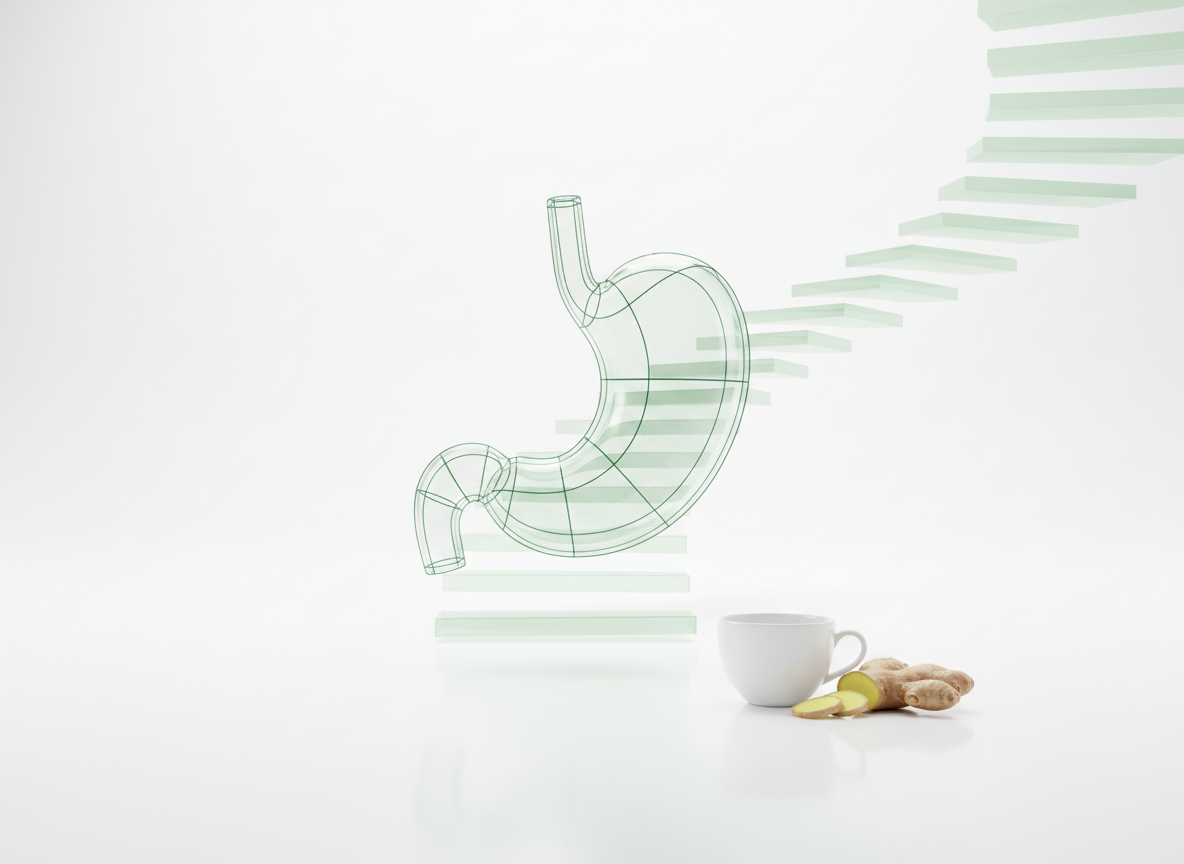
What the labels do say is about the stomach. Ozempic: it delays gastric emptying, may impact absorption of oral medications, use with caution. Zepbound: monitor medicines that need a threshold level or have a narrow therapeutic index. Wegovy: monitor the effects of oral medications taken with it. A daily antidepressant taken for months builds a steady level that one delayed pill barely moves. The window that matters is the first weeks and after each dose step, when the delay is largest, and any day you vomit within an hour of your pill.
Lab note
No listed interaction. Plenty of overlap. Both prescribers need both names.
The overlap people feel is side effects. SSRIs commonly cause nausea, loose stool and appetite shifts early on. The Wellbutrin XL label lists nausea in 13 to 18 percent of adults against 8 percent on placebo, decreased appetite and dose-related weight loss, and it is contraindicated with a current or past eating disorder. Add a GLP-1, where 44 percent of Wegovy adults reported nausea, and the pair can mean more nausea and much less appetite. A collapse in intake belongs with the prescriber.
Then mood. Until early 2026 the Wegovy and Zepbound labels carried a warning to monitor for depression and suicidal thoughts. In January 2026 the FDA asked for it to be removed after reviewing 91 placebo-controlled trials and finding no increased risk, and the current labels no longer carry it. The FDA still asks patients to report new or worsening depression or mood changes, and antidepressants carry their own boxed warning. Mood stays on the checklist, from both sides.
Two prescribers
What to do and what not to do
Do
- Give both prescribers both names and doses
- Take the antidepressant at the same time daily
- Log nausea against shot day and pill time
- Keep three small protein-first meals
- Report a mood change the same day
- Ask before repeating a pill you threw up
Do not
- Skip the antidepressant on queasy days
- Double a dose you vomited
- Stop an antidepressant abruptly
- Change either dose on your own
- Push through a collapsed appetite on Wellbutrin
- Wait out a new low mood
The FDA removed the suicidal-ideation warning from the GLP-1 labels in 2026. It still asks you to report new or worsening depression.
What to do
- Tell both prescribers. By name and dose: the one who writes the antidepressant and the one who writes the GLP-1 each need the other medication on the list, including the time of day you take it.
- Keep the antidepressant time fixed. Same time each day, same relationship to food. Do not skip a dose because you feel queasy; a missed antidepressant dose can bring its own symptoms within a day or two.
- Ask before repeating a vomited pill. If it came up within an hour of taking it, do not double up on your own. Call the prescriber or the pharmacist and tell them the time it happened.
- Separate the two nauseas. Note whether the queasiness tracks shot day and the two days after, or the hour after your pill. Bring the pattern to whichever prescriber owns that medication.
- Protect your intake on Wellbutrin. Three small protein-first meals a day is the floor. If appetite collapses to one meal or less, tell the prescriber that week; the label is clear that bupropion and a disordered intake do not mix.
- Watch mood after every step. The first month and each dose step: sleep, energy, interest, irritability. Ask someone close to you to say if they notice a change, and report new or worsening low mood the same day.
- Change nothing on your own. Not the antidepressant dose, not its timing, not the GLP-1 schedule. Stopping an antidepressant abruptly can cause discontinuation symptoms; every adjustment goes through the prescriber.
From the labels and the FDA
The numbers behind the overlap
44 in 100
adults on Wegovy reported nausea, versus 16 in 100 on placebo
13 to 18 in 100
adults on Wellbutrin XL reported nausea, versus 8 in 100 on placebo
91 trials
reviewed by the FDA in 2026: no increased risk of suicidal thoughts
Sources: Wegovy Prescribing Information, February 2026; Wellbutrin XL Prescribing Information, March 2024; FDA Drug Safety Communication, January 13, 2026.
When to call your doctor
Call your prescriber the same day if:
- You have new or worsening depression
- You have thoughts of harming yourself
- You feel agitated or panicky in a way that is new
- You vomit more than once or cannot keep pills or liquids down
- You feel faint when you stand
- You have severe belly pain
- You have a racing heart with sweating, shaking or confusion
- You have missed or thrown up more than one antidepressant dose in a week
- Your appetite has collapsed to the point of skipping most meals
If you are thinking about harming yourself, call or text 988, the Suicide and Crisis Lifeline, now. Some shared nausea is expected. A change in mood is not something to wait out.

From the people behind the Lab
You do not have to figure this out alone.
GLP-1 SOS is the daily companion made for life on a GLP-1. Plain answers like this one, a support team that replies to real questions from real people, and daily formulas like GLP-1 SOS Daily Gut Relief, designed around the side effects that come with the medication. The GLP-1 Lab is our free education arm: no login, no paywall, no hype. Side effects are part of the road. Suffering through them is not.
Questions people also ask
Can you take Ozempic with Zoloft or Lexapro?
The Ozempic label lists no interaction with sertraline, escitalopram or any SSRI. Its note about oral medications is general: a slower stomach may change absorption, so use with caution. A daily SSRI builds a steady level that one delayed pill barely moves. Tell both prescribers, keep the pill time fixed, and mention any vomiting soon after a dose.
Does Wellbutrin interact with Wegovy or Zepbound?
Not in the labels. Neither GLP-1 label names bupropion, and the Wellbutrin XL label does not name either of them. What they share is effect: both reduce appetite, both cause nausea in a share of people, and bupropion is contraindicated with a current or past eating disorder. If your intake collapses on the combination, that is the prescriber’s call, not something to push through.
Will a GLP-1 stop my antidepressant from working?
Nothing in the labels suggests it. The Wegovy label reports that semaglutide did not affect the absorption of oral medications in its pharmacology trials, and antidepressants are taken daily for months, which smooths out one delayed pill. The exception is a dose you throw up within an hour of taking it. If you feel your antidepressant has faded since starting a GLP-1, say so; do not raise it yourself.
Do GLP-1 medications cause depression?
The FDA reviewed 91 placebo-controlled trials with more than 100,000 patients and, in January 2026, found no increased risk of suicidal thoughts or behavior, then asked for the warning to be removed from the Wegovy and Zepbound labels. It still asks patients to report new or worsening depression or mood changes. Eating far less, sleeping badly and losing a coping habit can each lower mood, so it stays on the checklist.
Sources (6)
- Wegovy (semaglutide) injection, Prescribing Information. Novo Nordisk / FDA, revised February 2026.
- Zepbound (tirzepatide) injection, Prescribing Information. Eli Lilly, revised August 2026.
- Ozempic (semaglutide) injection, Prescribing Information. Novo Nordisk, revised May 2026.
- FDA Requests Removal of Suicidal Behavior and Ideation Warning from Glucagon-Like Peptide-1 Receptor Agonist (GLP-1 RA) Medications. U.S. Food and Drug Administration, Drug Safety Communication, January 13, 2026.
- Wellbutrin XL (bupropion hydrochloride extended-release) tablets, Prescribing Information. Bausch Health / FDA, revised March 2024.
- Selective Serotonin Reuptake Inhibitors. StatPearls, NCBI Bookshelf, updated May 2023.
Reviewed by the GLP-1 SOS editorial team · Education, not medical advice · Talk to your prescriber about your dose and your symptoms.