The short answer
Sometimes, but check with your prescriber first, because neither is as simple as it looks. No GLP-1 label lists ashwagandha or berberine as an interaction. Berberine can lower blood sugar and causes the same gut side effects as a GLP-1, which matters most if you also take insulin or a sulfonylurea. Ashwagandha has rare but real reports of liver injury and is not advised with thyroid or autoimmune disease, pregnancy or upcoming surgery.
At GLP-1 SOS we get this question in two forms: people who read that berberine is “nature’s Ozempic” and want to stack it, and people who take ashwagandha for stress or sleep. Different plants, different risks, so we take them one at a time, and we are open about our own formula, which contains a small amount of ashwagandha.
At a glance
Two supplements, two different cautions
1
Berberine: blood sugar and gut
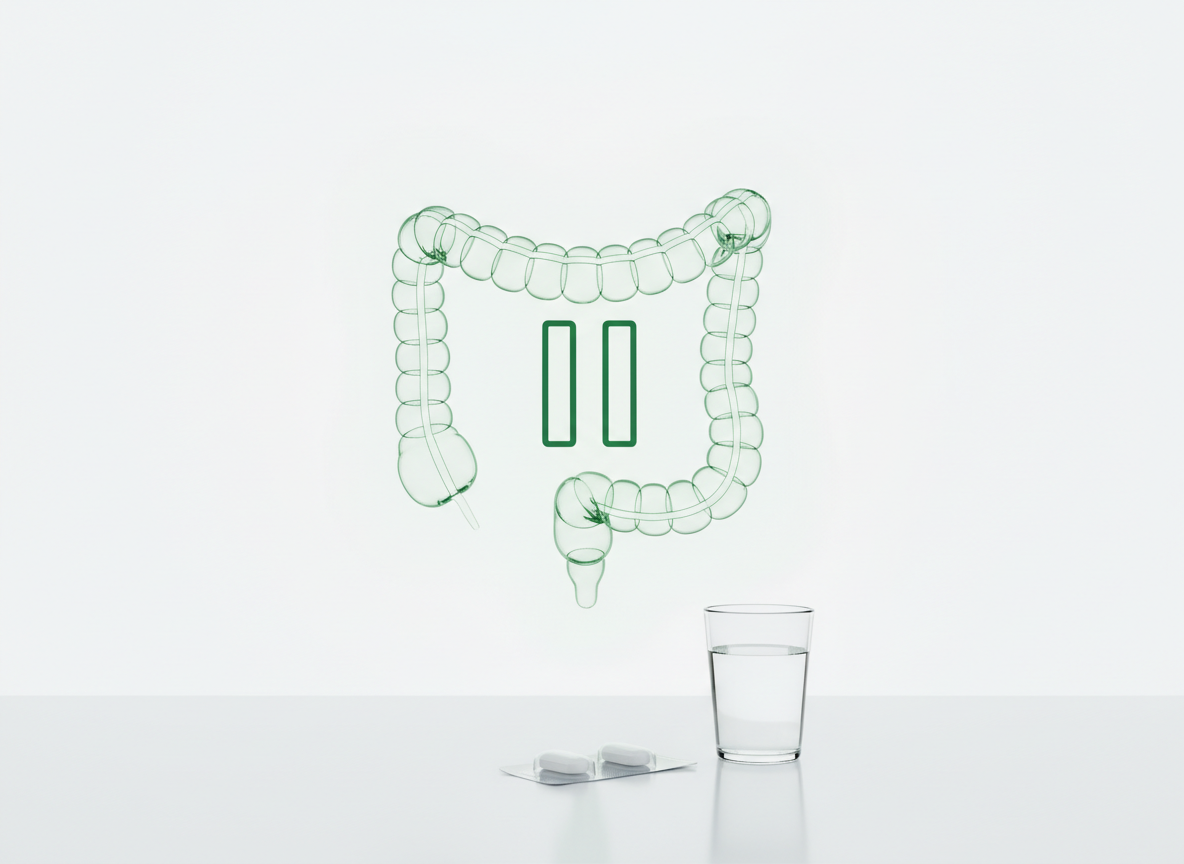
It may lower glucose and can cause nausea, diarrhea, bloating or constipation, the same list a GLP-1 brings.
2
Ashwagandha: liver and thyroid
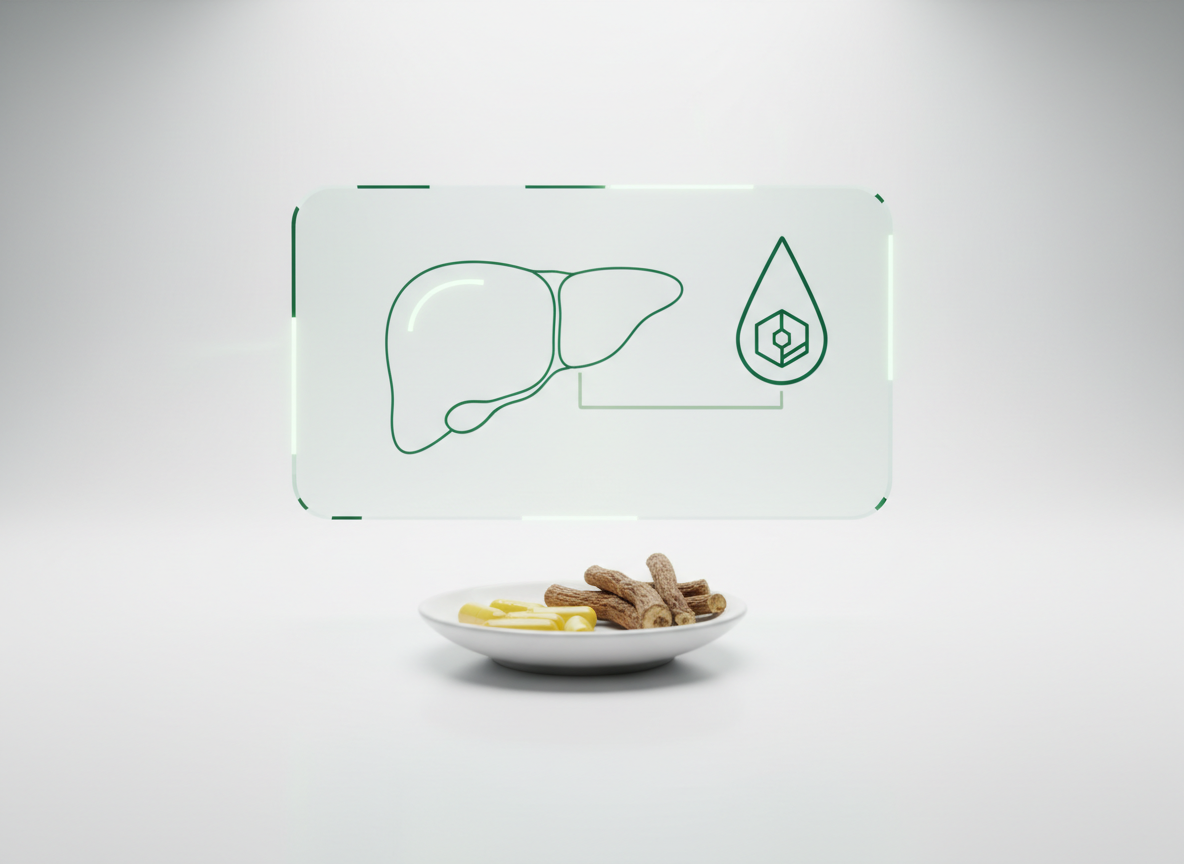
Rare liver injury reports, and the NIH advises against it with thyroid or autoimmune disorders, pregnancy and surgery.
3
Neither replaces the medicine
The NIH calls the weight evidence for berberine inconclusive. Your GLP-1 is doing the heavy lifting.
What is actually happening
Berberine is a plant compound found in goldenseal, barberry and Oregon grape. A 2021 review of 46 trials, mostly in China, found it lowered HbA1c by about 0.7 percentage points in people with type 2 diabetes, often on top of their usual medicine. The NIH notes the studies varied widely and some were of poor quality. For weight, it calls the evidence not conclusive, with effects seen mainly above 1 gram a day for more than 8 weeks.
That glucose effect is the point to watch. The GLP-1 labels warn that when the medicine is combined with insulin or a sulfonylurea, the risk of low blood sugar goes up. Adding another glucose-lowering product to that mix is a decision for your prescriber, not the supplement aisle. Berberine also lists nausea, diarrhea, bloating and constipation as its common side effects, which can make it hard to tell what is causing a bad gut week.
Lab note
Berberine adds to what a GLP-1 already does. Ashwagandha adds something new to watch.
Ashwagandha is an Ayurvedic herb promoted for stress and sleep. The NIH says some preparations may help insomnia and stress and that it may be safe for up to 3 months, with long-term safety unknown. Liver injury is rare, but in a published case series it appeared 2 to 12 weeks after starting, with jaundice and itching, and resolved in 1 to 5 months. The NIH also lists possible interactions with diabetes, blood pressure and thyroid medicines.
From the NIH and the research
Three numbers worth knowing
46 trials
in a 2021 review of berberine in type 2 diabetes; HbA1c fell about 0.7 points, but study quality was mixed, per the NIH
2 to 12 weeks
after starting ashwagandha, when liver injury appeared in a published case series; all five people developed jaundice
3 months
the period for which ashwagandha may be safe, per the NIH; there is not enough information on longer use
Sources: Oxidative Medicine and Cellular Longevity, 2021; NIH NCCIH, Diabetes and Dietary Supplements, November 2023; Liver International, 2020; NIH NCCIH, Ashwagandha, March 2023.
What to do
- Tell your prescriber everything you take. Bring the bottles. The NIH lists possible ashwagandha interactions with diabetes, blood pressure, thyroid, seizure and immune-suppressing medicines. For the prescription side, see a GLP-1 with metformin, blood pressure or thyroid medicines.
- Treat berberine like a diabetes medicine. If you take insulin or a sulfonylurea such as glipizide, do not add berberine without a plan. Know the signs of a low: shakiness, sweating, fast heartbeat, confusion, hunger.
- Add one thing at a time. A GLP-1 and berberine share the same gut side effects. Start a supplement on a steady dose, never in a dose-increase week.
- Watch your liver for the first 3 months of ashwagandha. Stop and call your doctor for yellow skin or eyes, dark urine, pale stools, itching or pain under the right ribs.
- On the Wegovy pill or Rybelsus, keep the 30-minute rule. Take the tablet with up to 4 ounces of water and wait at least 30 minutes before any supplement. See supplements with the Wegovy pill or Rybelsus.
- Count the ashwagandha you already get. It hides in sleep, stress and hair blends. Add up every label before you buy another bottle.

From our support desk at GLP-1 SOS
If you wrote to us tonight about this, here is what we would say.
Skip berberine unless your prescriber builds it into your glucose plan; your GLP-1 already does that job. On ashwagandha, full transparency: GLP-1 SOS Daily Gut Relief contains 50 mg in its 2 capsules with dinner, alongside 250 mg of magnesium to support regular bowel movements and ginger and peppermint for digestive comfort.* GLP-1 SOS Daily Hair Shield contains 300 mg. With liver, thyroid or autoimmune disease, pregnancy, breastfeeding or surgery ahead, choose a plain magnesium citrate instead and ask your doctor. Already on an ashwagandha product? Count ours in the total.
We answer real questions from real people every day. Write to us if yours is not here.
*GLP-1 SOS Daily Gut Relief supports regular bowel movements and digestive comfort. These statements have not been evaluated by the Food and Drug Administration. This product is not intended to diagnose, treat, cure or prevent any disease.
Two kinds
Reasonable to discuss, or skip it
Reasonable to discuss with your prescriber
- Ashwagandha for sleep or stress, short term
- No liver, thyroid or autoimmune condition
- Not pregnant, not breastfeeding, no surgery planned
- Berberine only with a glucose plan from your doctor
Skip it, or ask first
- Insulin or a sulfonylurea plus berberine
- Liver disease, or past liver problems
- Thyroid or autoimmune disease with ashwagandha
- Pregnancy, breastfeeding or surgery ahead
Supplements are not approved by the FDA before they are sold. Choose brands with third-party testing.
When to call your doctor
Stop the supplement and call your prescriber the same day if:
- Your skin or the whites of your eyes turn yellow, or your urine turns dark
- You have new itching all over, pale stools or pain under the right ribs
- You have signs of low blood sugar: shakiness, sweating, fast heartbeat, confusion
- Severe belly pain that may spread to your back, with or without vomiting
- You cannot keep fluids down
A supplement that makes a gut week worse, or turns your eyes yellow, has stopped being a supplement question.

From the people behind the Lab
You do not have to figure this out alone.
GLP-1 SOS is the daily companion made for life on a GLP-1. Plain answers like this one, a support team that replies to real questions from real people, and daily formulas like GLP-1 SOS Daily Gut Relief, designed around the side effects that come with the medication. The GLP-1 Lab is our free education arm: no login, no paywall, no hype. Side effects are part of the road. Suffering through them is not.
Questions people also ask
Can I take berberine with Ozempic or Mounjaro?
Only with your prescriber’s agreement. Neither label lists berberine, but berberine can lower blood glucose, and Ozempic and Mounjaro already lower it. With insulin or a sulfonylurea, the labels warn the risk of low blood sugar rises, and a third glucose-lowering product adds to that. Berberine’s common side effects, nausea, diarrhea, bloating and constipation, also overlap with the medication’s.
Is berberine nature’s Ozempic?
No. The nickname comes from social media, not the science. The NIH says the evidence that berberine helps weight loss is not conclusive, with effects seen mainly above 1 gram a day for more than 8 weeks, in studies of mixed quality. Semaglutide is an FDA-approved medicine tested in large trials; berberine is a supplement.
Can I take ashwagandha with Wegovy or Zepbound?
Many people can, but check with your prescriber first. No GLP-1 label lists ashwagandha. The NIH says it may be safe for up to 3 months, may interact with diabetes, blood pressure and thyroid medicines, and should be avoided with thyroid or autoimmune disease, in pregnancy and before surgery. Watch for yellow skin or eyes, dark urine or itching.
Does ashwagandha damage the liver?
Rarely, but it can. LiverTox, the NIH database on drug-induced liver injury, notes that ashwagandha has been implicated in cases of clinically apparent liver injury. In a case series of five people, jaundice appeared 2 to 12 weeks after starting, and liver tests returned to normal in 1 to 5 months in the four who were followed. Avoid it if you have liver disease.
Can I take ashwagandha for sleep on a GLP-1?
It is one of the few uses the NIH says has some support. Talk to your prescriber first, keep to short-term use, and do not stack several products that contain it. Poor sleep on a GLP-1 often has simpler causes, such as late meals or night-time reflux, so start there; see whether a GLP-1 causes insomnia.
Sources (7)
- Ashwagandha: Usefulness and Safety. NIH National Center for Complementary and Integrative Health (NCCIH), updated March 2023.
- Ashwagandha. LiverTox: Clinical and Research Information on Drug-Induced Liver Injury. NIH National Institute of Diabetes and Digestive and Kidney Diseases, updated December 2024.
- Ashwagandha-induced liver injury: A case series from Iceland and the US Drug-Induced Liver Injury Network. Liver International, 2020.
- Diabetes and Dietary Supplements: What You Need To Know. NIH National Center for Complementary and Integrative Health (NCCIH), updated November 2023.
- Berberine and Weight Loss: What You Need To Know. NIH National Center for Complementary and Integrative Health (NCCIH), updated November 2023.
- The Effect of Berberine on Metabolic Profiles in Type 2 Diabetic Patients: A Systematic Review and Meta-Analysis of Randomized Controlled Trials. Oxidative Medicine and Cellular Longevity, 2021.
- Ozempic (semaglutide) injection, Prescribing Information. Novo Nordisk, revised May 2026.
Reviewed by the GLP-1 SOS editorial team · Education, not medical advice · Talk to your prescriber about your dose and your symptoms.