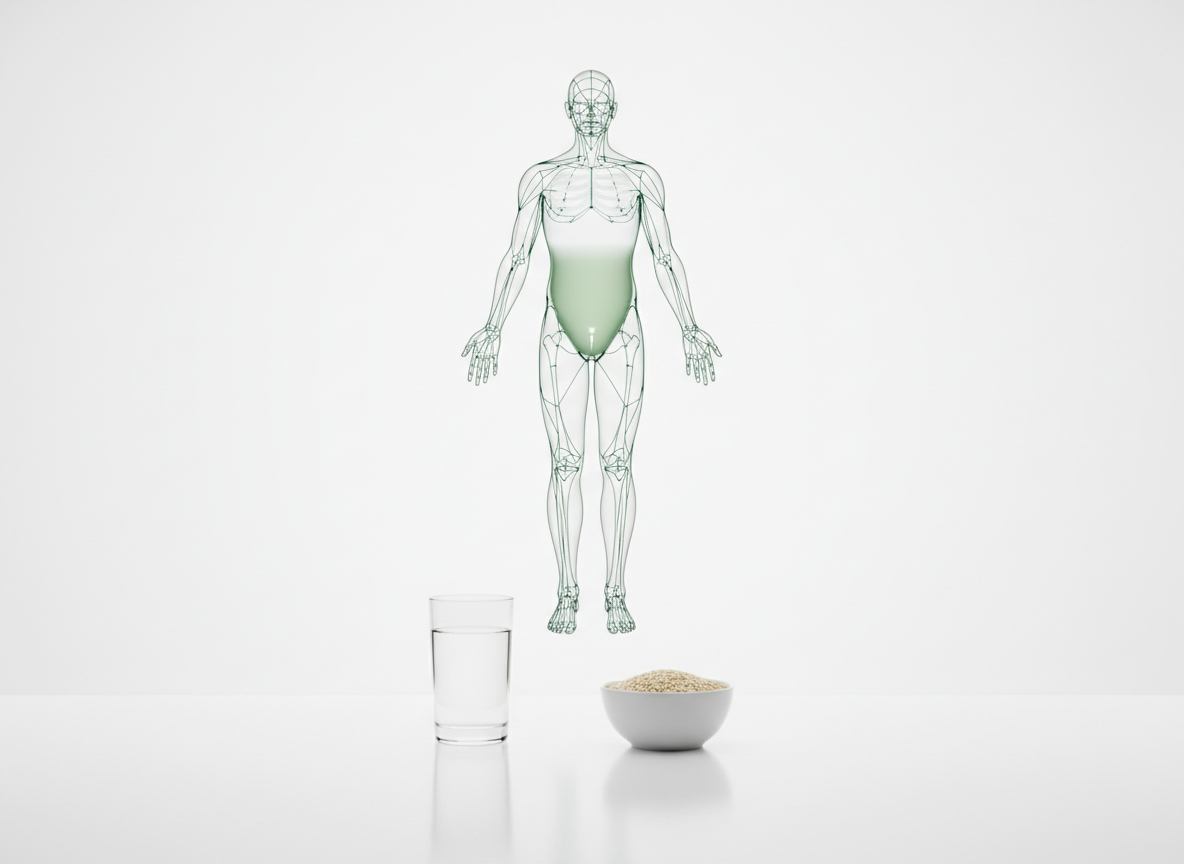
The short answer
Mostly because less reaches your cells. Eating far less means less fuel to burn; a low-carbohydrate week empties the body’s quick energy store; drinking less shrinks blood volume; months of small meals run iron and B12 down; nausea breaks sleep; and on insulin or a sulfonylurea, blood sugar can dip. The label lists the fatigue. The mechanism is mostly supply.
At GLP-1 SOS the message reads: the scale is finally moving, so why do I feel like I am walking through water? We already have a page on whether this is normal. This one is about the machinery: what a GLP-1 actually takes away, and why that feels like tiredness.
The supply chain
How less food becomes less energy
1
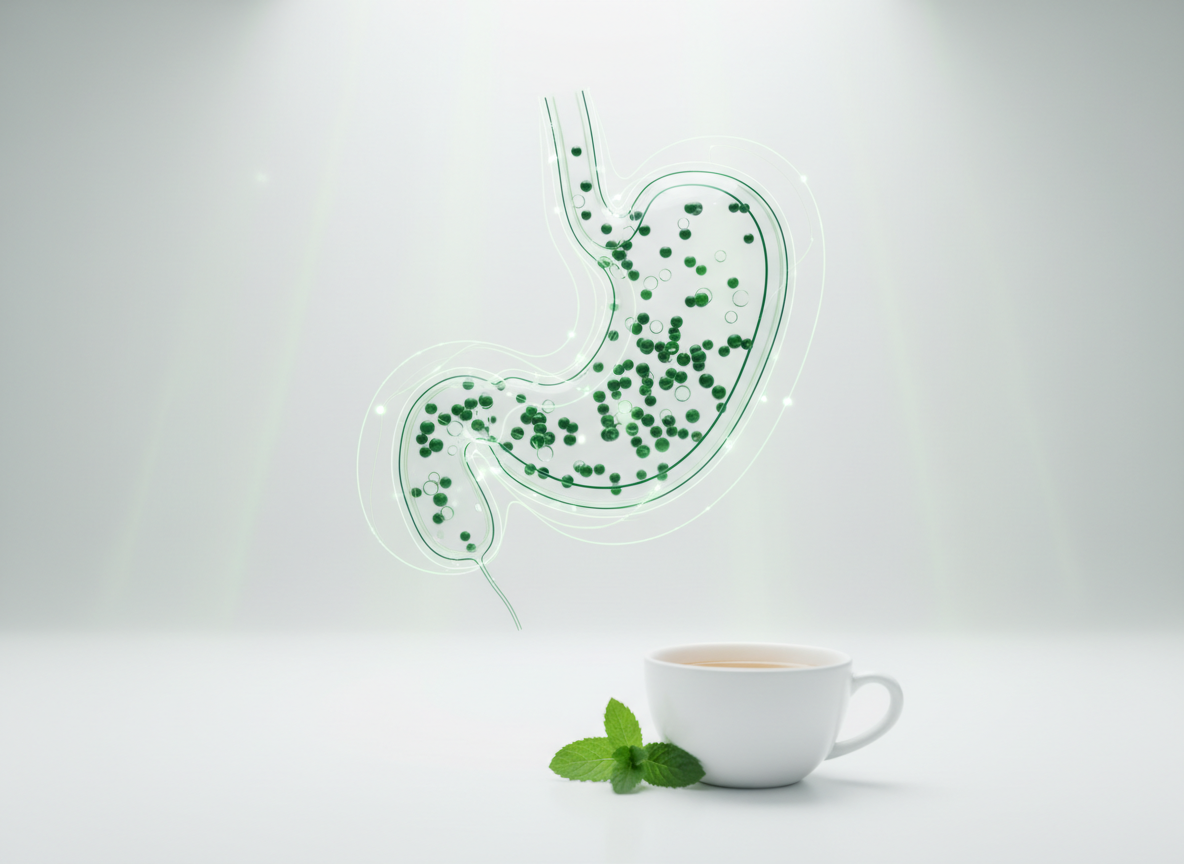
Less in
Appetite and thirst fall; calories, carbohydrate, salt and water all drop.
2
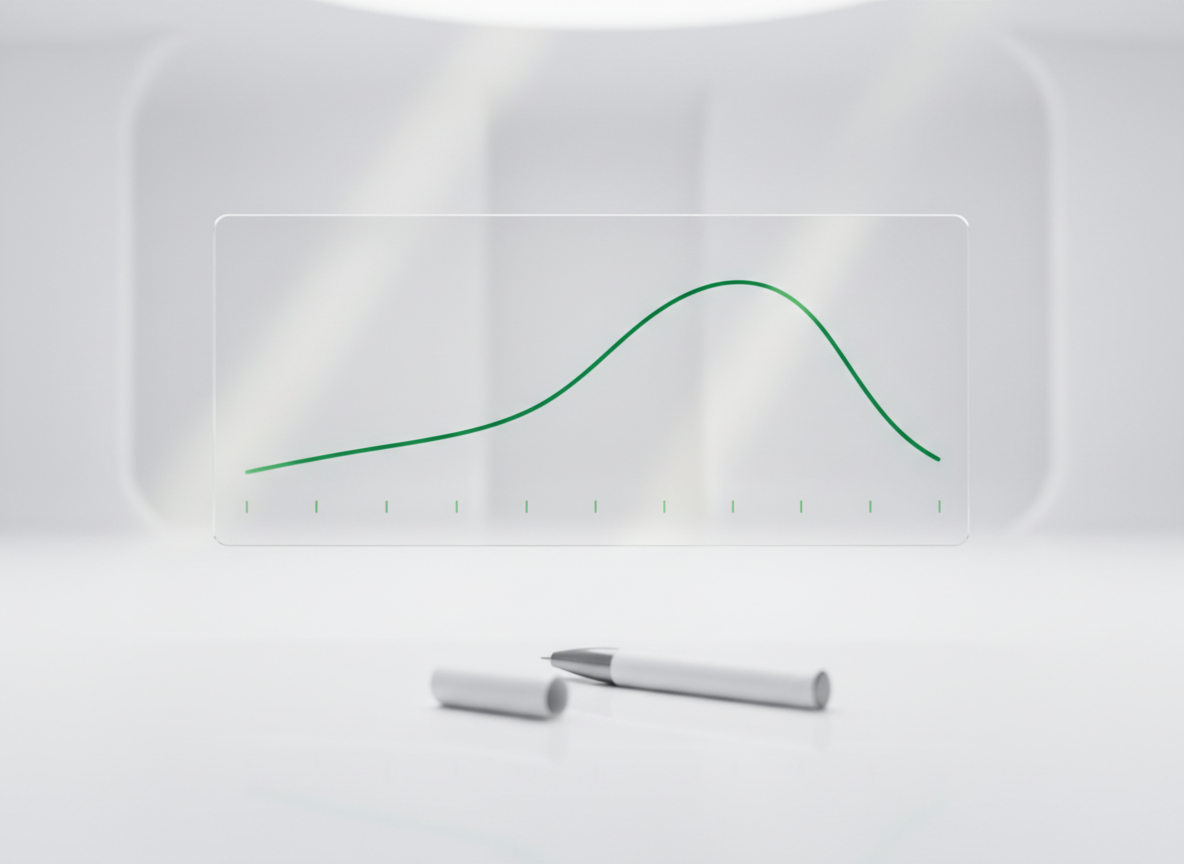
Quick store empties
Liver glycogen runs out in a day or two, and takes water with it.
3
Volume falls
Less blood volume; standing sends blood to the legs before the brain.
4
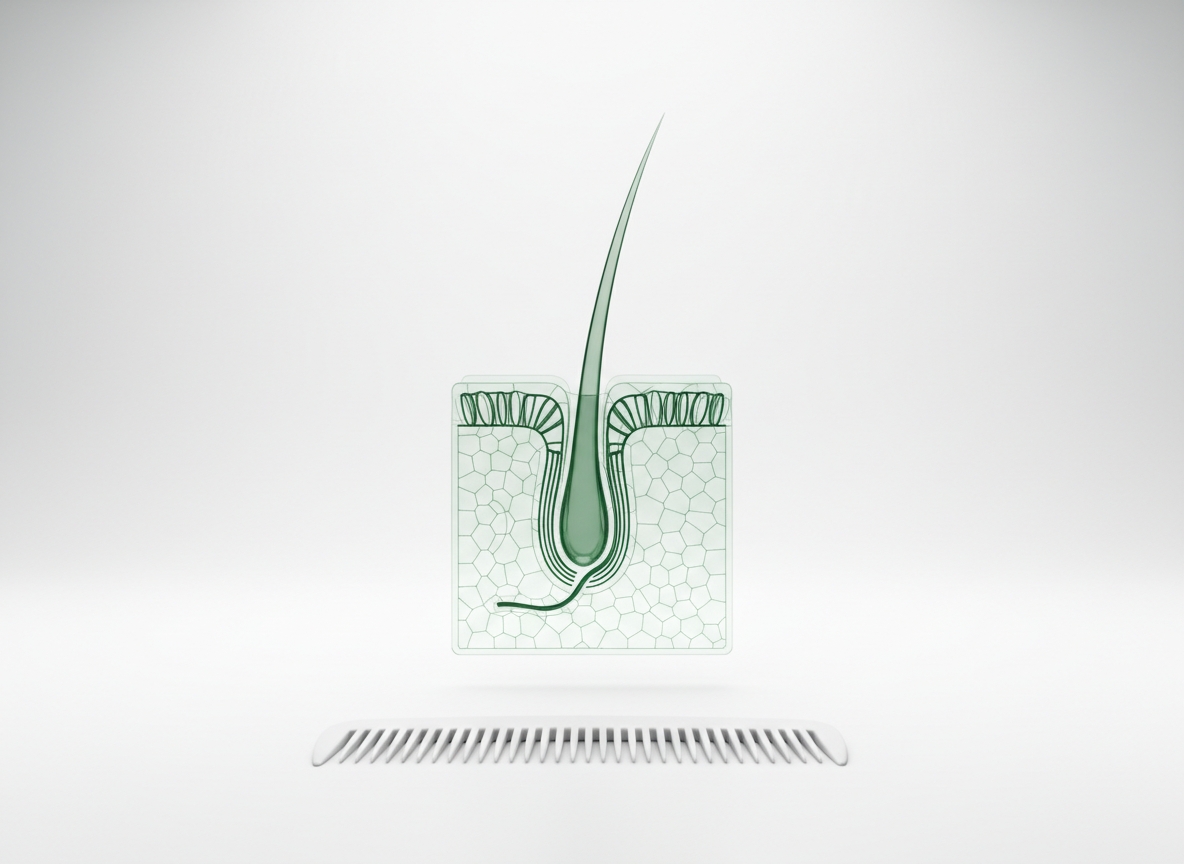
Slow leaks
Iron, B12 and folate drift down over months of small meals.
What is actually happening
The medication is not a sedative. It works on the gut, the pancreas and the brain’s appetite centers, not on energy directly. Yet fatigue is listed: 11 percent of adults on Wegovy versus 5 percent on placebo, and 5 to 7 percent on Zepbound versus 3 percent. The gap is what the medication makes easy: eating and drinking far less. Tiredness is what a body does when supply falls.
Start with fuel. The carbohydrate RDA, 130 grams a day, is set on what the brain needs. When intake falls far below that, the liver’s glycogen store empties within a day or two and the body switches to making glucose from protein and burning fat, a slower process that feels like heavy legs and fog. Glycogen is stored with water, so as it empties, water leaves too.
Lab note
Fast leaks feel like fog. Slow leaks are a blood test.
That water matters. Thirst fades with appetite, and vomiting or loose stool take more out. Less blood volume means standing sends blood to the legs before the brain catches up. The Wegovy label reports low blood pressure reactions and fainting more often than on placebo, and both labels warn that dehydration can injure the kidneys.
Then the slow leaks. Iron builds hemoglobin, which carries oxygen; B12 and folate are needed to make red blood cells. All ride on meat, fish, eggs, dairy and beans, which feel heavy on a slowed stomach, and stores drain over months. Iron deficiency shows up as fatigue, weakness and poor concentration, which is why tiredness at month three on a steady dose is a blood test question.
Finally, the night and the sugar. Nausea, reflux and bathroom trips wake you, and broken sleep is fatigue by morning. If you also take insulin or a sulfonylurea, all four labels say the combination raises the risk of low blood sugar (shaking, sweating, a racing heart, sudden weakness) and tell prescribers to consider lowering those doses when the GLP-1 starts.
Two speeds
What runs low in days, and what runs low in months
Runs low in days
- Carbohydrate and the glycogen store
- Water and salt
- Sleep, when nausea or reflux wakes you
- Blood sugar, on insulin or a sulfonylurea
Runs low over months
- Iron and ferritin
- Vitamin B12 and folate
- Protein and muscle
- Vitamin D
Fast leaks lift within days of eating and drinking differently. Slow leaks need a blood test.
What to do
- Put carbohydrate back, gently. A small portion of oats, potato, rice, fruit or beans at two meals a day refills the glycogen store and lifts the fog. Low-carb by accident is the cause we see most.
- Open every meal with protein. Eggs, yogurt, fish, chicken, tofu or beans first, and ask your prescriber or a dietitian for a daily gram target. Without enough protein, the body makes fuel from muscle.
- Salt your water on rough days. Fluid stays in the blood when salt comes with it. Broth, a pinch of salt in water, or a sugar-free electrolyte mix, sipped through the day rather than gulped at night.
- Ask for the blood tests. Ferritin and iron, B12, folate and vitamin D, plus thyroid and glucose if fatigue has lasted a month at a steady dose. Guessing at iron is not safe; testing is cheap.
- Cover what you no longer eat. If meat, eggs and dairy have mostly left your plate, a plain B12 or a basic multivitamin covers the gap; ask your pharmacist which fits with your prescriptions.
- Fix the night before the day. Dinner small and early, the head of the bed raised if reflux wakes you, and a plain cracker before bed if nausea does. Broken sleep is fatigue by morning, whatever you ate.
- Know your low sugar signs. If you take insulin or a sulfonylurea: shaking, sweating, racing heart, sudden weakness. Check your glucose when they hit, follow the plan your prescriber gave you, and tell them; the labels say those doses are often lowered when a GLP-1 starts.

From our support desk at GLP-1 SOS
If you wrote to us tonight saying you are running on empty, here is what we would say.
First, the fast fixes: a small portion of oats, fruit or potato at two meals to refill the glycogen store, protein first at every meal, and salted fluid sipped through the day rather than plain water gulped at night. Most tiredness in the first month lifts within days of those three. Second, the slow leaks: if meat, eggs and dairy have mostly left your plate for months, ask your prescriber for ferritin, B12, folate and vitamin D before guessing. GLP-1 SOS GLP-1 SOS Daily Gut Relief includes B12, B6 and iron, which support normal energy metabolism when meals have shrunk; a plain B12 or a basic multivitamin covers the same ground. If you take insulin or a sulfonylurea, shaking and sweating is a same-day call.
We answer real questions from real people every day. Write to us if yours is not here.
*GLP-1 SOS Daily Gut Relief supports regular bowel movements and digestive comfort. These statements have not been evaluated by the Food and Drug Administration. This product is not intended to diagnose, treat, cure or prevent any disease.
From the labels and guidelines
Three numbers worth knowing
11 in 100
adults on Wegovy reported fatigue, versus 5 in 100 on placebo
5 to 7 in 100
adults on Zepbound reported fatigue, by dose, versus 3 in 100 on placebo
130 g
of carbohydrate a day is the RDA, set by what the brain uses
Sources: Wegovy Prescribing Information, June 2026; Zepbound Prescribing Information, August 2026; Dietary Guidelines for Americans, 2020–2025.
When to call your doctor
Call your prescriber the same day if:
- You faint or nearly faint
- Your heart races or pounds at rest
- You are short of breath climbing stairs
- You cannot keep liquids down
- You are passing much less urine than usual
- You get shaking, sweating and a racing heart that eases with sugar
- You are confused or unusually hard to wake
- Tiredness comes with severe stomach pain or yellowing of the skin or eyes
- Fatigue has not lifted after two weeks at a steady dose
Running low is normal. Running out is not.

From the people behind the Lab
You do not have to figure this out alone.
GLP-1 SOS is the daily companion made for life on a GLP-1. Plain answers like this one, a support team that replies to real questions from real people, and daily formulas like GLP-1 SOS Daily Gut Relief, designed around the side effects that come with the medication. The GLP-1 Lab is our free education arm: no login, no paywall, no hype. Side effects are part of the road. Suffering through them is not.
Questions people also ask
Does Ozempic make you tired, or is it the diet?
Mostly the diet the medication makes possible. Semaglutide does not act on the brain’s arousal systems; it slows the stomach and quiets appetite, and the tiredness follows from what that changes: fewer calories, fewer carbohydrates, less fluid, less iron and B12 over months. The Wegovy label, the same molecule at a higher dose, lists fatigue in 11 percent of adults versus 5 percent on placebo. Most people never get it, which points at supply rather than the drug.
Why do I feel weak and shaky on Mounjaro?
Two different mechanisms, and it matters which. If you do not take insulin or a sulfonylurea, weak and shaky is usually an emptied glycogen store and thin blood volume: too little carbohydrate, too little salt and water. A small portion of oats, fruit or potato and salted fluid fixes it within a day. If you do take insulin or a sulfonylurea, treat it as low blood sugar, check your glucose, and call your prescriber the same day.
Can eating too few carbs on a GLP-1 cause fatigue?
Yes, and it is the cause we see most. The brain uses roughly 130 grams of glucose a day, which is where the carbohydrate RDA comes from. On a GLP-1 many people cut bread, rice and fruit first because they feel heavy, and drop far below that without meaning to. The liver’s glycogen empties in a day or two, water goes with it, and the switch to burning fat and protein feels like heavy legs and fog.
Why am I dizzy and tired when I stand up on Wegovy?
Less blood volume. Eating less brings less water and salt, glycogen leaves and takes water with it, and any vomiting or loose stool takes more. When you stand, blood pools in the legs and the brain briefly gets less. The Wegovy label lists low blood pressure reactions and fainting more often than placebo, some tied to fluid loss. Salted fluid through the day helps; fainting or near-fainting is a same-day call.
Sources (6)
- Wegovy (semaglutide) injection and tablets, Prescribing Information. Novo Nordisk / FDA, revised June 2026.
- Zepbound (tirzepatide) injection, Prescribing Information. Eli Lilly, revised August 2026.
- Dietary Guidelines for Americans, 2020–2025. U.S. Department of Agriculture and U.S. Department of Health and Human Services, December 2020.
- Iron: Fact Sheet for Health Professionals. NIH Office of Dietary Supplements, updated September 2025.
- Vitamin B12: Fact Sheet for Health Professionals. NIH Office of Dietary Supplements, updated July 2025.
- Low Blood Glucose (Hypoglycemia). NIH National Institute of Diabetes and Digestive and Kidney Diseases (NIDDK), reviewed July 2021.
Reviewed by the GLP-1 SOS editorial team · Education, not medical advice · Talk to your prescriber about your dose and your symptoms.