The short answer
The same slowdown that causes constipation causes the diarrhea. Food sits longer and ferments more; fat and sugar now arrive at the wrong pace. When hard stool blocks the colon, only liquid gets past, and that arrives as diarrhea. Both peak in the first weeks and after each dose increase, and usually fade within days.
If you have been on the medication for a few weeks, this pattern will sound familiar. At GLP-1 SOS we hear about diarrhea even more often than about constipation, and the two are usually the same story.
Three mechanisms
Three ways a slow gut makes loose stool
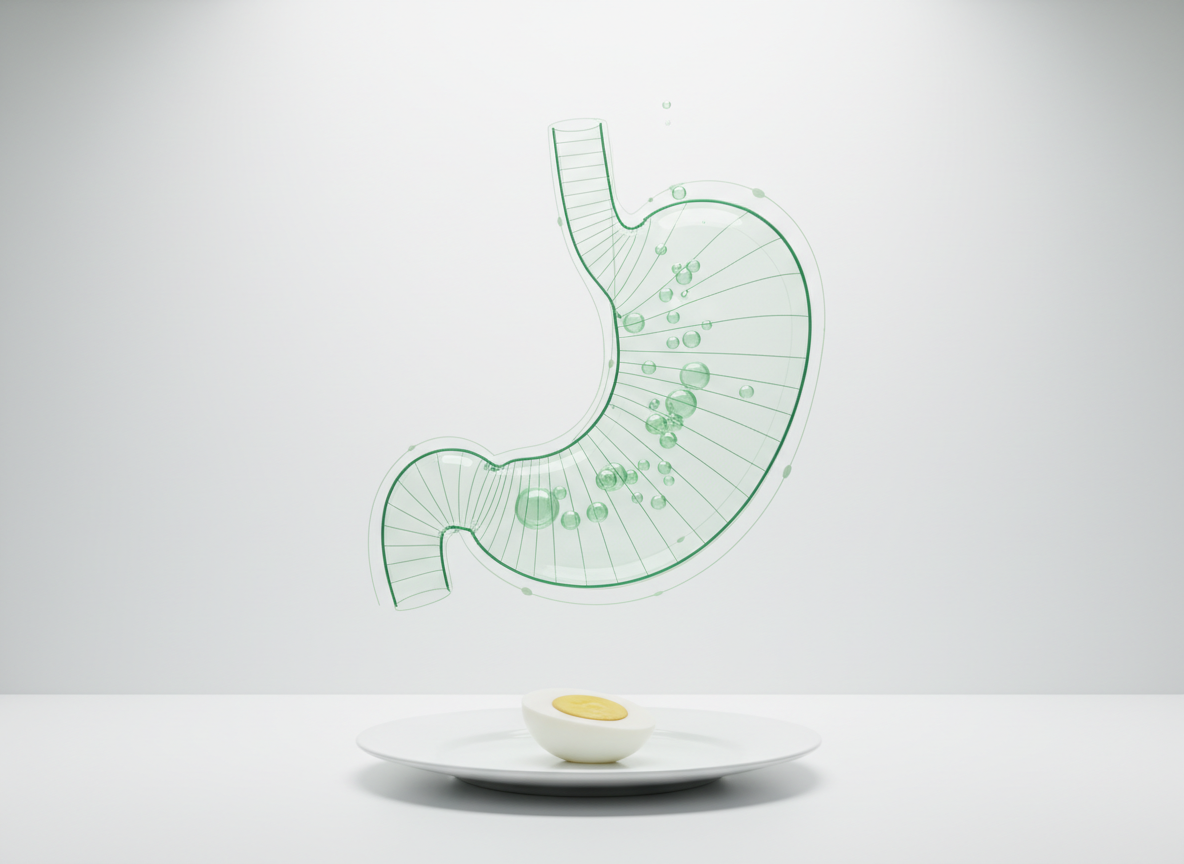
Fermentation
Food sits, bacteria work
What happens: sugars, sugar alcohols and fiber sit longer and ferment
Feels like: gas, bloating, loose stool
What helps: smaller meals, no sugar-free sweeteners for a few days
Load
Fat and big meals
What happens: a slow gut digests fat and large meals poorly, and they pull water with them
Feels like: loose stool a few hours after a greasy or oversized meal
What helps: low fat, small plates, stop at satisfied
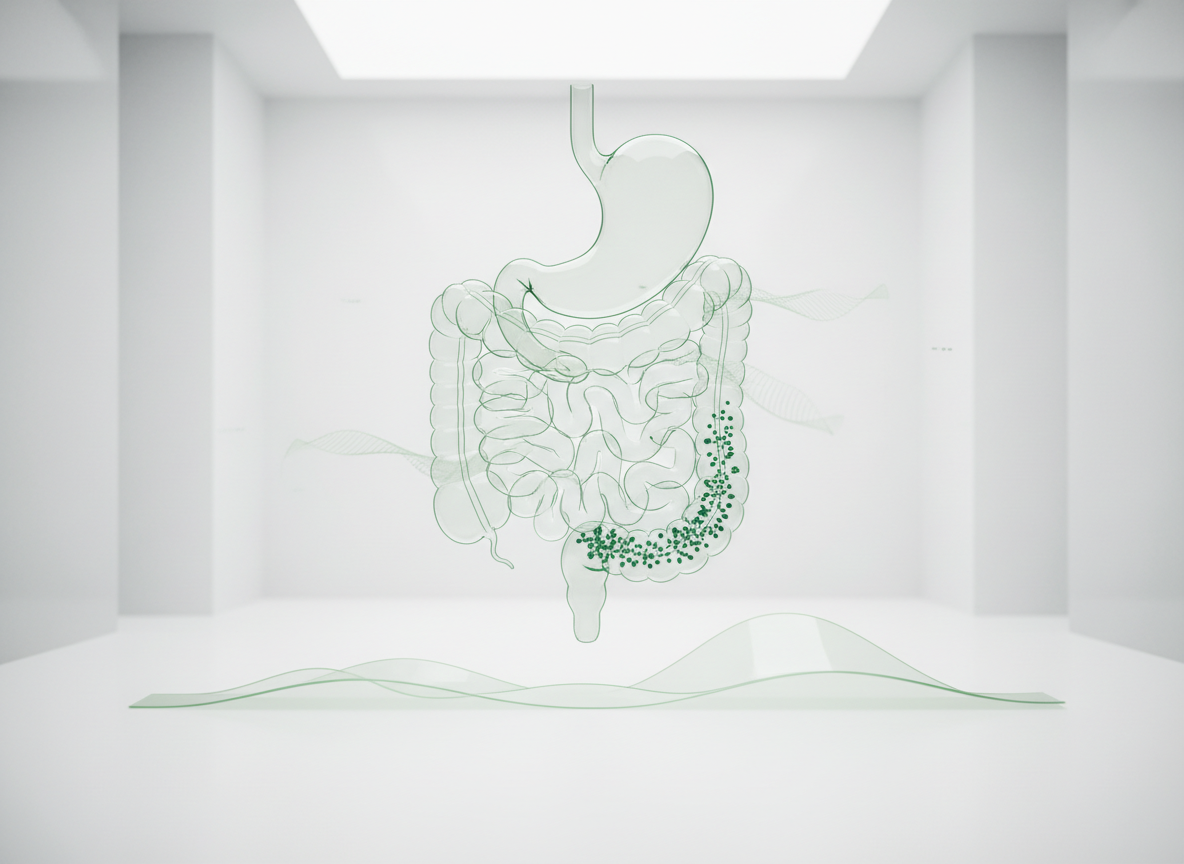
Overflow
Liquid around hard stool
What happens: stool sits and hardens; liquid from above slips around it
Feels like: sudden, watery, urgent, after days of nothing
What helps: steady water, soluble fiber, the same small evening routine
The one that swings
What is actually happening
A GLP-1 medication slows how fast your stomach empties and how fast your gut moves things along. The prescribing information for Ozempic, Wegovy, Mounjaro and Zepbound all state that the medication delays gastric emptying. In the Wegovy trials, about three adults in ten reported diarrhea, and about one in four reported constipation; on Zepbound, roughly one in five reported diarrhea. Many people get both.
Diarrhea on a GLP-1 has three usual mechanisms. First, fermentation. Food that sits longer in the stomach and small intestine gives bacteria more time to work on it, especially sugars, sugar alcohols and fiber, and the gas and water they produce loosen the stool. Second, load. A slowed gut handles fat and large meals badly; a greasy or oversized meal that used to pass unnoticed now moves through poorly digested, pulling water with it. Third, overflow. When stool has sat in the colon for days and hardened, the colon cannot move it, but liquid from above can still slip around it. That liquid arrives as sudden, watery diarrhea, often after several days of nothing.
Lab note
It is not two problems. It is one slow gut in two phases.
Then the colon has emptied, the slowdown takes over again, and the cycle restarts. That is the alternation: it is not two problems, it is one slow gut in two phases.
Most of this is temporary. The trials show that gut reactions peak during dose escalation and fade as the gut adapts, usually within a couple of weeks of each step.
The swing
One slow gut, two phases
1
Stool sits and dries
The colon pulls water out of it for three, four, five days until it cannot move it.
2
Liquid slips past
Softer material from above goes around the hard stool and arrives as sudden diarrhea.
3
The colon empties
The slowdown has not changed, so the next stool sits, and the cycle restarts.
What to do
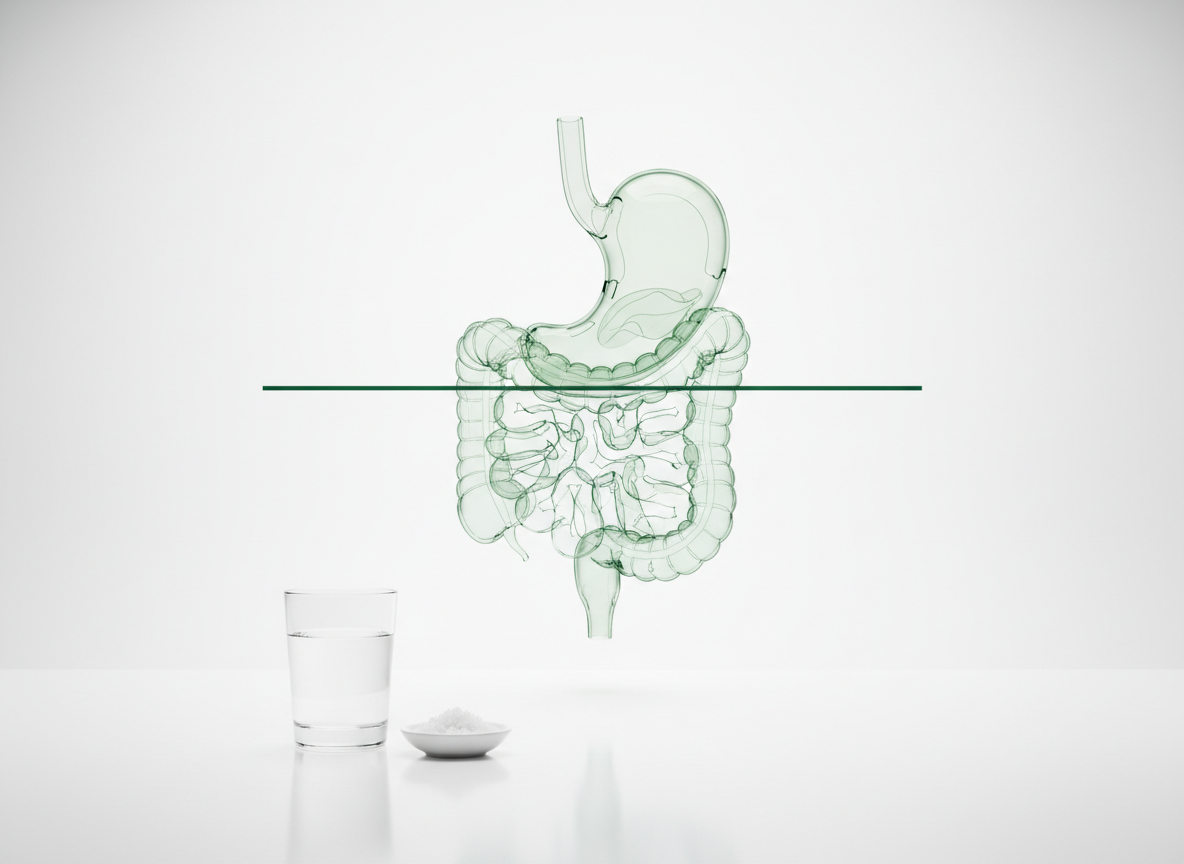
- Water and salt first. Diarrhea takes both. Sip small amounts often, and add a broth, a pinch of salt, or a sugar-free electrolyte mix. In the body, water follows salt.
- Shrink the meal, not the day. Something small every three to four hours, stopping at satisfied rather than full. A slow gut copes with volume badly.
- Take fat and sugar off the plate for a few days: fried food, greasy takeout, cream sauces, sugary drinks, sugar-free gum and candy with sorbitol or xylitol. These are the three things a slowed gut turns into diarrhea.
- Choose soluble fiber, gently. Oats, psyllium, chia and cooked vegetables form a soft gel that absorbs water and steadies loose stool as well as hard stool. Raw vegetables and bran do the opposite for now.
- Plan for the curve. The medication level peaks two or three days after the shot, and the first higher shot of each dose step is when the swing is strongest. Keep those days simple.
- Do not overcorrect. Stopping every laxative the moment stool loosens, then restarting at full strength when it stops, is what keeps the swing going. Small, steady changes. Steady is also why we built GLP-1 SOS Daily Gut Relief as one daily formula for both phases: ginger, peppermint and a 19-strain probiotic blend for the loose, gassy days, and 250 mg of magnesium for the stuck days that usually follow, rather than a different bottle for each.*
- If the diarrhea is a pattern rather than a day, write down what you ate the day before each episode and bring it to your prescriber. Staying longer on the current dose is a normal thing to ask for.
*GLP-1 SOS Daily Gut Relief supports regular bowel movements and digestive comfort. These statements have not been evaluated by the Food and Drug Administration. This product is not intended to diagnose, treat, cure or prevent any disease.
What the trials show
How common, and how long
3 in 10
adults on Wegovy reported diarrhea in the trials
1 in 4
reported constipation, and many people get both
About 2 weeks
how long gut reactions usually take to ease after each dose step
Sources: Wegovy and Zepbound prescribing information; Diabetes, Obesity and Metabolism, 2022.
When to call your doctor
Call your prescriber the same day if:
- You cannot keep liquids down
- You feel faint when you stand
- There is pain
- You are vomiting
- Your belly stays swollen and hard
- You go more than five days without a bowel movement between episodes
- Diarrhea lasts more than two days
- There is blood or black stool
- You have a fever
Loose for a day is normal. Losing fluid you cannot replace is not.

From the people behind the Lab
You do not have to figure this out alone.
GLP-1 SOS is the daily companion made for life on a GLP-1. Plain answers like this one, a support team that replies to real questions from real people, and daily formulas designed around the side effects that come with the medication. The GLP-1 Lab is our free education arm: no login, no paywall, no hype. Side effects are part of the road. Suffering through them is not.
Questions people also ask
Why does a GLP-1 cause diarrhea in some people and constipation in others?
Same slowdown, different gut. A colon that is already slow gets slower and dries the stool. A gut that ferments easily, or a diet heavier in fat and sugar, produces loose stool instead. Many people see both across a week, with the loose days following the stuck days.
Is explosive diarrhea normal on a GLP-1?
Sudden, watery, urgent diarrhea after days of constipation is usually overflow: liquid slipping past hard stool the colon could not move. It is common in the first weeks and after a dose increase. If it comes with pain, fever, blood, or you cannot keep liquids down, that is a same-day call.
How long does GLP-1 diarrhea last?
Usually days, not weeks. In the trials, gut reactions clustered during dose escalation and eased as the gut adapted, typically within two weeks of each step. Diarrhea that lasts more than two days without a break, or comes back every week, is worth bringing to your prescriber.
Can I take Imodium (loperamide) for GLP-1 diarrhea?
Loperamide slows the gut further, which is the opposite of what a GLP-1 gut usually needs, and it can tip a loose day back into days of constipation. It is not a first step. Ask your prescriber before using it, and never with fever, blood in the stool, or pain.
Sources (6)
- Wegovy (semaglutide) injection, Prescribing Information. Novo Nordisk / FDA, revised February 2026.
- Zepbound (tirzepatide) injection, Prescribing Information. Eli Lilly, revised August 2026.
- Ozempic (semaglutide) injection, Prescribing Information. Novo Nordisk, revised May 2026.
- Gastrointestinal tolerability of once-weekly semaglutide 2.4 mg in adults with overweight or obesity, and the relationship between gastrointestinal adverse events and weight loss. Diabetes, Obesity and Metabolism, 2022.
- Clinical Recommendations to Manage Gastrointestinal Adverse Events in Patients Treated with GLP-1 Receptor Agonists: A Multidisciplinary Expert Consensus. Journal of Clinical Medicine, 2023.
- Treatment for Diarrhea. NIH National Institute of Diabetes and Digestive and Kidney Diseases (NIDDK), reviewed 2024.
Reviewed by the GLP-1 SOS editorial team · Education, not medical advice · Talk to your prescriber about your dose and your symptoms.