The short answer
Usually because something around the medication changed, not because it quit. Food noise creeps back at the end of the weekly cycle, after months at one dose as weight loss slows, when protein drops, and when sleep or stress shifts. Each has a fix. Whether the brain adapts to the drug itself is not settled.
At GLP-1 SOS we hear this around month four, and it is nearly always phrased the same way: it was silent, and now it is back. Here is where the volume is coming from, and what is actually known about tolerance.
Food noise is back
Probably a fix, or a conversation
Usually fixable at home
- Loud days five to seven, quiet after the shot
- Meals without protein
- Skipped meals, then evening grazing
- Two short nights in a row
- A stressful week
- Alcohol or sweet drinks back in the day
Bring to your prescriber
- Loud every day for three weeks
- Steady dose with a step still ahead
- Missed, late or leaked doses
- Binge eating you cannot stop
- A mood that has dropped
- Shaky, sweaty, racing heart
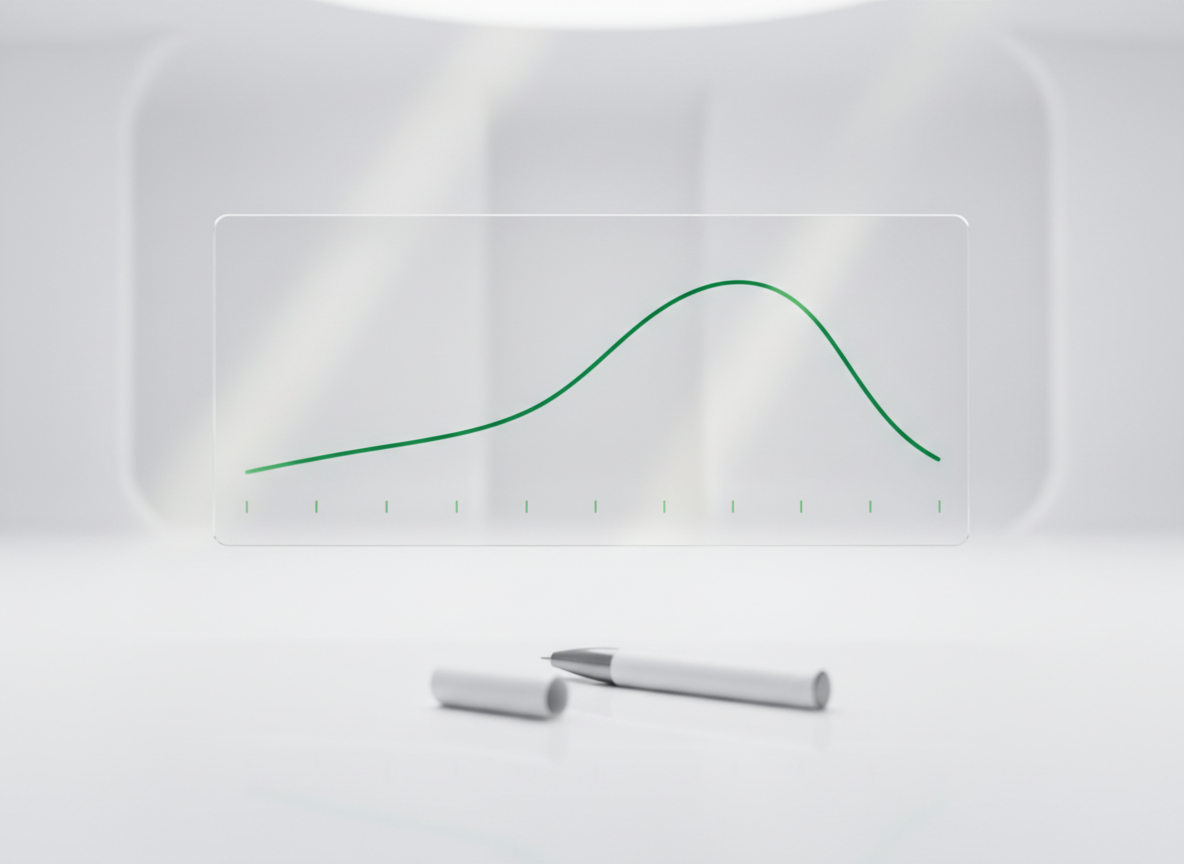
The level of a weekly shot is lowest on days six and seven.
What is actually happening
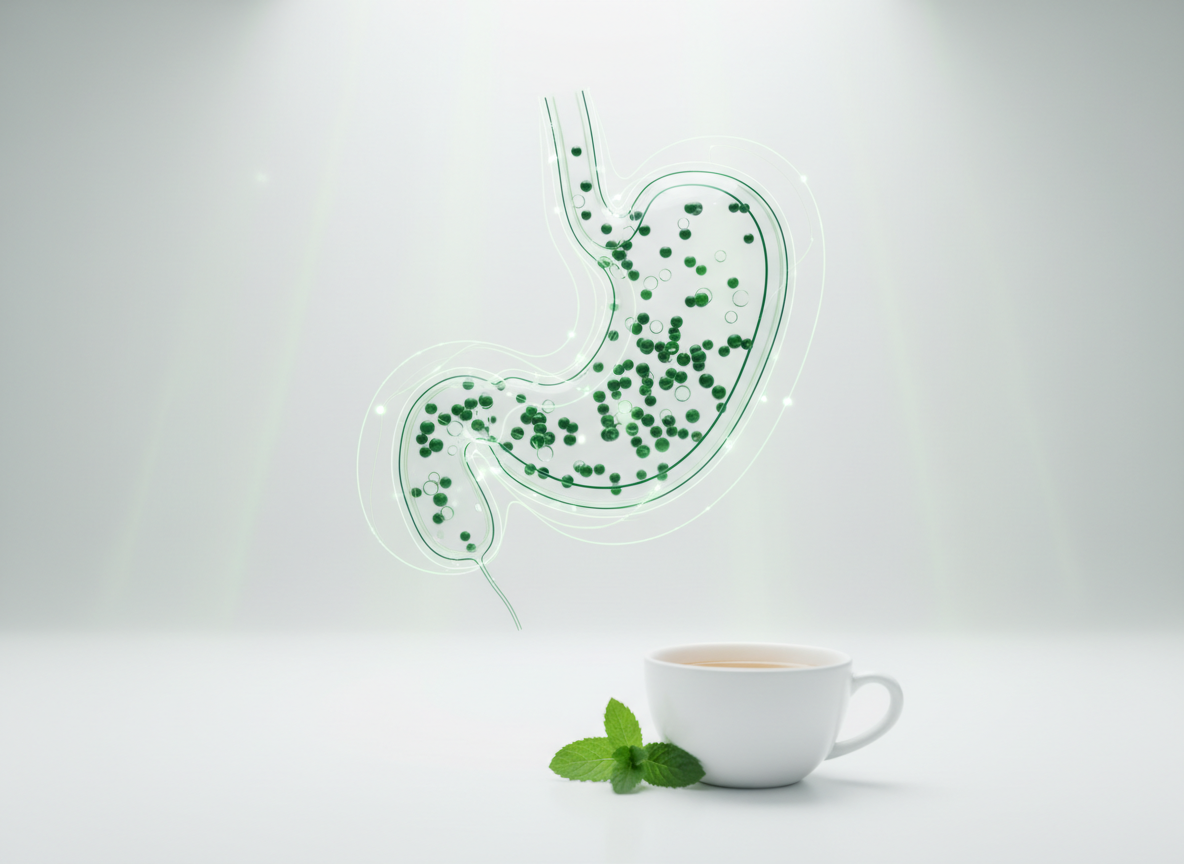
Food noise is the term researchers now use for intrusive thoughts about food, set off by cues, a commercial, a smell, the clock reaching three, rather than by an empty stomach. GLP-1 receptors sit in the gut and the hypothalamus, which manage hunger, and also in the brain’s reward circuits, so the medication turns down the anticipation of food as well as the appetite for it. That is why the quiet of the first months feels so complete.
A weekly injection is not a flat level. The Wegovy label puts the semaglutide peak one to three days after the shot, with a half-life of about a week; the Zepbound label gives tirzepatide a peak within roughly a day and a half-life of about five days. From the peak the level slides toward the next dose, and days six and seven are where many people first hear the noise again.
Lab note
Loud on day six is the calendar, not the medication quitting.
Then the body pushes back. In a 2011 study, a year after a diet-induced loss of about 13 kg, hunger hormones were still raised, fullness hormones still lowered, and hunger still up. The medication holds that pressure down without removing it, and the pressure grows as the loss adds up. Whether the brain also becomes tolerant to the drug itself is not settled. The tirzepatide labels say the stomach-emptying delay is largest after the first dose and diminishes over time, so that part fades. The appetite effect held through the year-long trials, and when semaglutide was withdrawn after STEP 1, most of the lost weight returned within a year.
Everything else turns the volume up. Two nights of short sleep raised ghrelin, lowered leptin and increased hunger in a controlled study. Stress raises cortisol, which steers eating toward dense, rewarding food. And on a slow stomach, protein is often the first thing to drop off a small plate; a meal of crackers leaves the fullness signal short and the noise on.
The weekly curve
Why the noise has a day of the week
1
Shot
The level starts to climb within hours.
2
Peak
Days one to three: appetite and food thoughts are quietest.
3
Slide
The level falls by half in about a week (semaglutide) or five days (tirzepatide).
4
Trough
Days six and seven: the noise is loudest. The next shot resets it.
What to do
- Date the noise against your shot. For two weeks, note shot day and a noise score out of ten each evening. Noise that climbs on days five to seven and falls after the shot is the curve, and that is information for your prescriber, not a failure.
- Put protein first at every meal. Open each meal with eggs, Greek yogurt, fish, chicken, tofu or beans before anything else, and ask your prescriber or a dietitian for a daily gram target. Fullness from protein outlasts fullness from crackers.
- Eat every three to four hours. Skipping meals to bank calories makes the evening noise louder. Small, regular, solid food keeps the signal steady.
- Sleep seven hours for a week. Two short nights measurably raise hunger hormones. Fix the sleep before you judge the medication.
- Name the stress. When the noise arrives with a deadline, a fight or grief, it is cortisol, not the dose. A ten-minute walk, a phone call or an early night does more than a snack.
- Check the ordinary leaks. Alcohol, sweet drinks, grazing, eating past full, a missed or late shot, a pen stored warm. Each restores calories the medication was quieting.
- Bring the log to your prescriber. If the noise is loud every day for three weeks despite the above, and you are at a steady dose, ask whether a dose step is due or whether staying longer at this dose is the plan. That is a normal conversation, not an admission.

From our support desk at GLP-1 SOS
If you wrote to us tonight saying the food noise is back, here is what we would say.
First, check the calendar. If the noise climbs on days five to seven and drops after your shot, that is the level sliding, and it is information for your prescriber, not a sign the medication quit. Next, the three ordinary amplifiers: protein first at every meal, something solid every three to four hours, and seven hours of sleep for a week before you judge anything. Stress and alcohol both turn the volume up. Whether the brain gets used to the drug itself is not settled; the stomach effect fades, the appetite effect mostly holds, and the body’s push to regain grows. If it is loud every day for three weeks at a steady dose, take your log to your prescriber and ask about the next step.
We answer real questions from real people every day. Write to us if yours is not here.
From the labels and trials
The numbers behind the curve
1 to 3 days
after the shot is when semaglutide peaks; tirzepatide within about a day
About 1 week
semaglutide half-life; about five days for tirzepatide
2 in 3
of the weight lost came back within a year of stopping, STEP 1 extension
Sources: Wegovy Prescribing Information, June 2026; Zepbound Prescribing Information, August 2026; STEP 1 trial extension, Diabetes, Obesity and Metabolism, 2022.
When to call your doctor
Call your prescriber the same day if:
- Food thoughts have become binge eating you cannot stop
- You are eating in secret or making yourself sick
- The noise comes with a mood that has dropped low or with thoughts of harming yourself
- You have shaking, sweating and a racing heart that eases with sugar
- You feel faint when you stand
- You are not sleeping at all
- The noise arrived with a missed or damaged dose, or has been loud every day for three weeks at a steady dose
Louder on day six is normal. Bingeing or a dark mood is not.

From the people behind the Lab
You do not have to figure this out alone.
GLP-1 SOS is the daily companion made for life on a GLP-1. Plain answers like this one, a support team that replies to real questions from real people, and daily formulas like GLP-1 SOS Daily Gut Relief, designed around the side effects that come with the medication. The GLP-1 Lab is our free education arm: no login, no paywall, no hype. Side effects are part of the road. Suffering through them is not.
Questions people also ask
Does food noise come back on Ozempic after a while?
For many people it gets louder over months, and there are ordinary reasons before any exotic one: the body defending its old weight, a dose that has not stepped up in a while, sleep and stress, protein slipping off the plate. In the trials the appetite effect held through more than a year, and weight returned when the medication was withdrawn, so the drug was working. Loud every day for three weeks at a steady dose is a prescriber conversation.
Why is my food noise worse the day before my shot?
Because the level is at its lowest. Semaglutide peaks one to three days after the injection and has a half-life of about a week; tirzepatide peaks within about a day and has a half-life of about five days. By days six and seven the level has slid, and appetite and food thoughts can creep back. Log it for two weeks, and if the pattern is clear, bring it to your prescriber. Never move or split your shot on your own.
Does your body build a tolerance to Wegovy or Zepbound?
Partly, and honestly, the science is not finished. The stomach effect does fade: the Zepbound and Mounjaro labels say the delay in gastric emptying is largest after the first dose and diminishes over time. The appetite effect largely held through the long trials, and weight came back when the medication was stopped. What clearly grows is the body’s own push to regain, which is why the same dose can feel weaker at month eight than at month two.
What helps with food noise on a GLP-1 besides a higher dose?
Protein first at every meal, something solid every three to four hours, seven hours of sleep for a week before you judge anything, and a plan for stress that is not a snack. Check for calories the medication cannot quiet: alcohol, sweet drinks, grazing. Then log the noise against your shot day. A dose step is a real option, and your prescriber decides it, but most of the volume lives in the days between shots.
Sources (6)
- What Is Food Noise? A Conceptual Model of Food Cue Reactivity. Nutrients, 2023.
- Wegovy (semaglutide) injection and tablets, Prescribing Information. Novo Nordisk / FDA, revised June 2026.
- Zepbound (tirzepatide) injection, Prescribing Information. Eli Lilly, revised August 2026.
- Long-Term Persistence of Hormonal Adaptations to Weight Loss. The New England Journal of Medicine, 2011.
- Brief Communication: Sleep Curtailment in Healthy Young Men Is Associated with Decreased Leptin Levels, Elevated Ghrelin Levels, and Increased Hunger and Appetite. Annals of Internal Medicine, 2004.
- Weight regain and cardiometabolic effects after withdrawal of semaglutide: The STEP 1 trial extension. Diabetes, Obesity and Metabolism, 2022.
Reviewed by the GLP-1 SOS editorial team · Education, not medical advice · Talk to your prescriber about your dose and your symptoms.